Single-Girder Gantry Crane vs Double-Girder Gantry Crane: Cost and Capability
Choose a single-girder gantry crane when the verified capacity, span, duty, lifting height and hook coverage can be achieved with a lighter, simpler hoist-based structure. Choose a double-girder gantry crane when higher structural capability, demanding duty, a top-running trolley, greater equipment space, special attachments, auxiliary lifting or maintenance access justifies the higher equipment and site cost.
The Direct Answer: Buy the Lowest-Cost Layout That Fully Meets the Duty
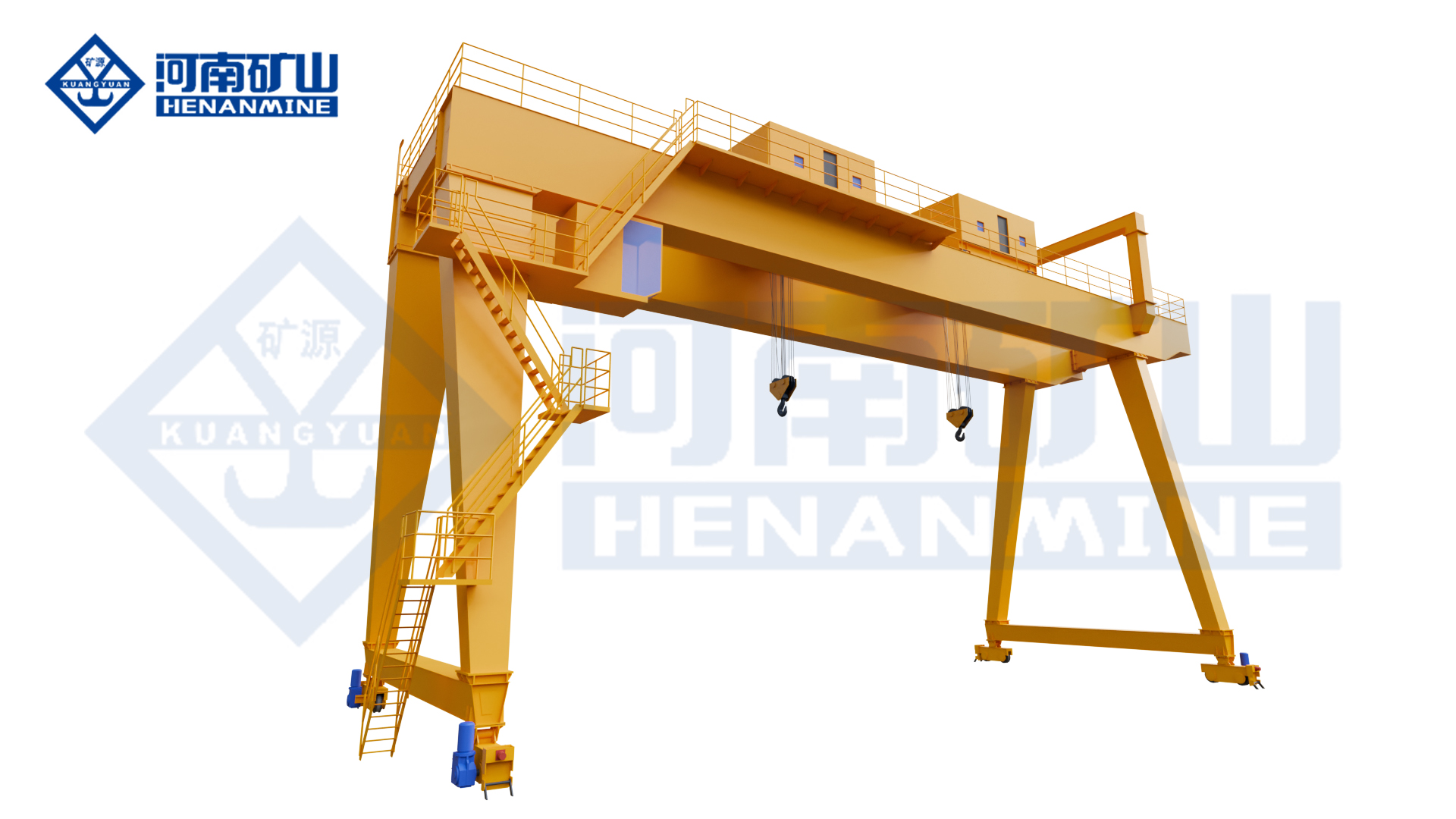
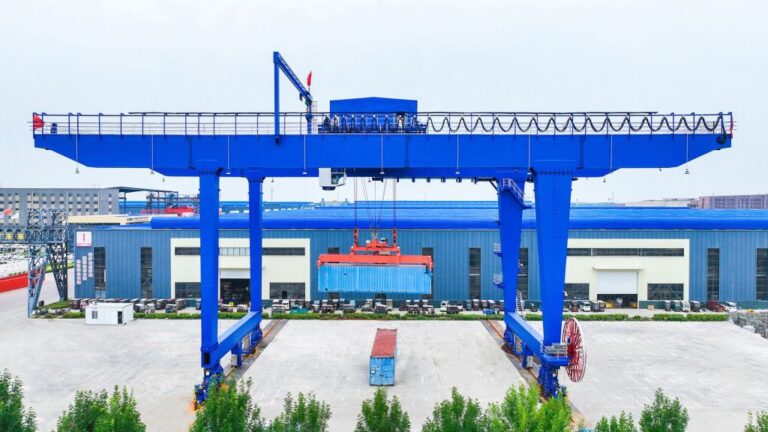
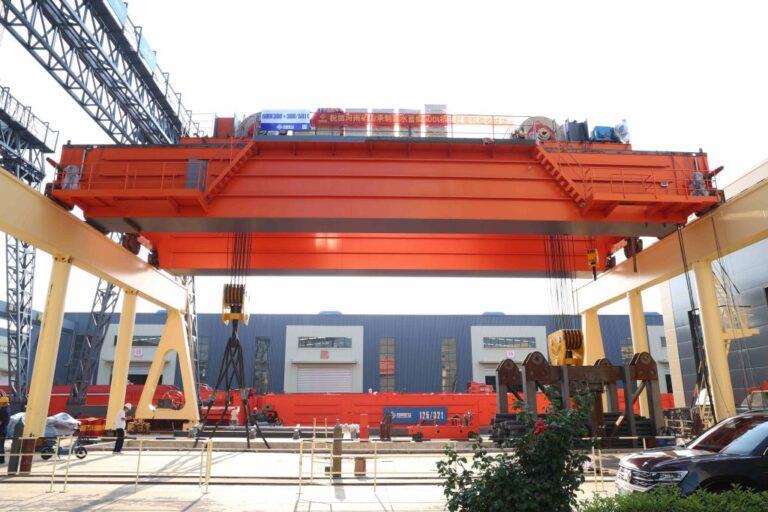
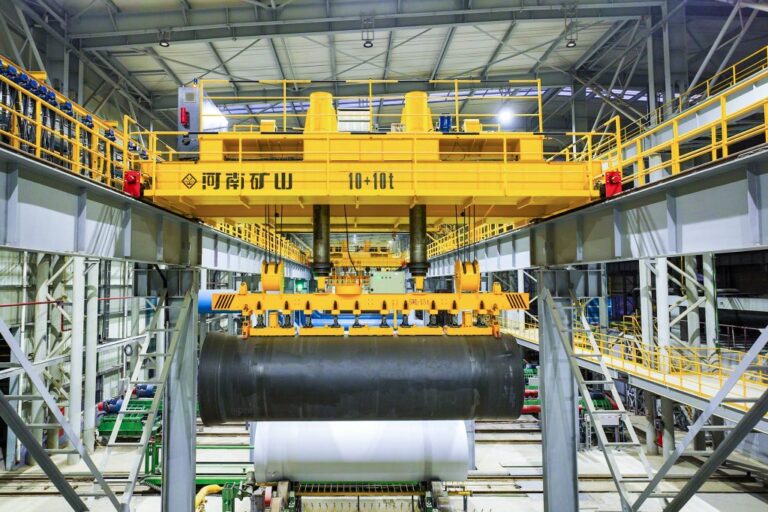
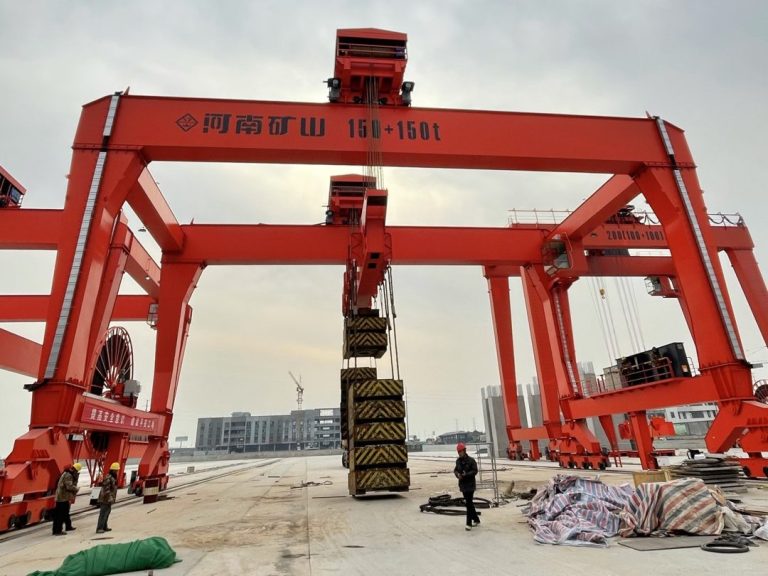
A single-girder gantry crane commonly uses one main girder with an electric hoist traveling on or relative to the girder. It can reduce structural steel, crane self-weight, shipping volume and installation complexity when the application fits the design. A double-girder gantry crane uses two main girders and commonly supports a separate trolley or winch-trolley arrangement, creating more structural and machinery space for demanding applications.
The decision cannot be made from capacity alone. Span, lift height, cantilevers, duty, wind, travel length, load geometry, hook approach, wheel loads, foundations, attachment type, maintenance requirements and future production all affect the economical configuration. A heavily reinforced single-girder design can lose its cost advantage, while an oversized double-girder crane can add unnecessary equipment, civil and maintenance cost.
Choose Single Girder When
- Capacity, span and duty fit an efficient hoist-based design.
- General hooks and straightforward load handling are required.
- Lower crane weight can reduce rail and foundation demand.
- Simple transport, erection and routine maintenance have value.
- The approved layout meets lift height and approach requirements.
Choose Double Girder When
- Capacity, span, duty or stiffness requires greater structural capability.
- A top-running trolley, auxiliary hoist or special attachment is needed.
- The process needs platforms, machinery access or larger component space.
- Long loads, multiple lifting points or synchronized lifting must be engineered.
- Downtime consequence justifies a more serviceable heavy-duty arrangement.


1. Understand What Actually Changes Between the Two Layouts
Girder count affects the bridge structure, but it also changes the hoisting mechanism, trolley arrangement, maintenance access, self-weight, wheel loads, transport pieces and installation method. The final comparison must use complete crane systems with the same capacity, span, lift, duty and site conditions.
| Design Area | Single-Girder Gantry Crane | Double-Girder Gantry Crane | Buyer Check |
|---|---|---|---|
| Main structure | One main girder integrated with legs, end beams and travel system. | Two main girders connected by end structures and supporting a trolley arrangement. | Compare total crane mass, structural depth, stiffness and shipping splits. |
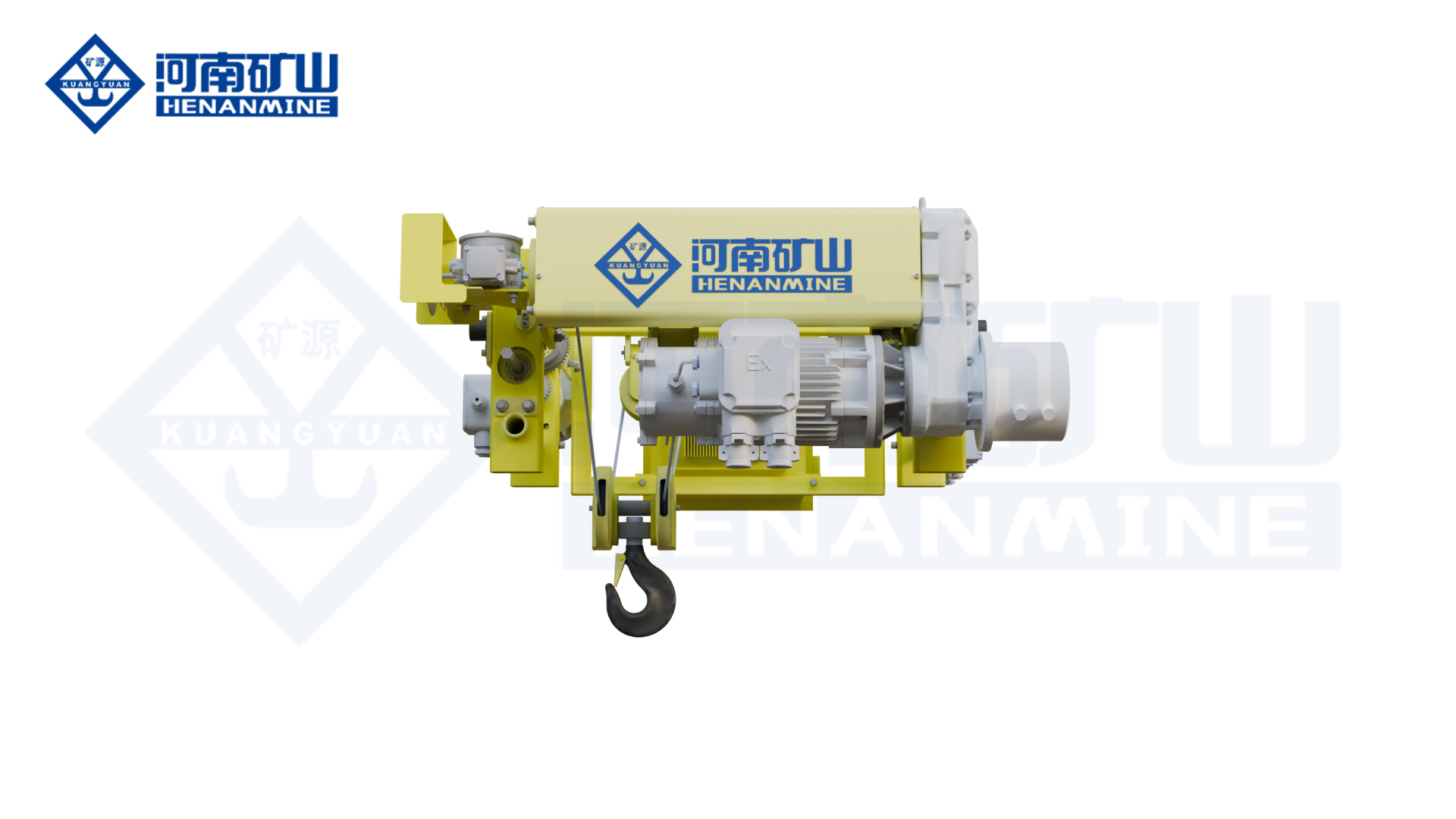
| Hoisting mechanism | Often an electric wire rope hoist traveling on or relative to the girder. | Often a separate trolley or winch trolley with more machinery space. | Confirm duty, reeving, brakes, hook approach, speeds and service access. |
| Hook position | Depends on hoist and girder relationship; side approach may be asymmetric. | A trolley arrangement may place the hook between or relative to the two girders. | Require highest/lowest hook coordinates and all four horizontal limits. |
| Maintenance access | Can be simpler but may rely more on mobile access equipment. | Can accommodate walkways, platforms and machinery access where specified. | Define inspection, rescue, removal and isolation method. |
| Special functions | Best suited to straightforward hook handling when special functions are limited. | More readily accommodates auxiliary hoists, double trolleys, grabs, magnets or specialized mechanisms. | Specify every attachment and combined operating mode before quotation. |
Double Girder Does Not Automatically Mean Double Trolley
A double-girder gantry crane may use one trolley, a main-and-auxiliary hook arrangement, two independent trolleys or a synchronized multi-point system. These are separate decisions. If the load is long, off-center or requires turning, provide lifting-point spacing, load distribution, center of gravity and the permitted operating combinations. Review the new double-trolley gantry crane when independent or coordinated lifting points are required.
2. Compare Total Installed Cost—not Only Crane Price
Single-girder equipment is often less expensive because the structure and hoisting arrangement can be lighter and simpler. That does not guarantee a lower project cost. Long spans, high lifts, outdoor wind, cantilevers, heavy duty, strict deflection, special coatings or reinforced legs can increase the single-girder price and its wheel reactions. The correct comparison includes the crane, rail system, foundations, electrical supply, installation, testing and expected operating cost.
| Cost Category | Single-Girder Cost Tendency | Double-Girder Cost Tendency | What to Request |
|---|---|---|---|
| Crane structure | Potentially less steel and lower fabrication cost within an efficient design range. | Two girders, connections, trolley rails and often more access steel increase scope. | Crane mass, shipping splits, coating system and structural assumptions. |
| Hoist and trolley | Hoist-based mechanism can simplify procurement and maintenance. | Separate trolley can include larger mechanisms, multiple brakes, auxiliary hoist or special reeving. | Mechanism duty, speeds, component list, safety functions and spares. |
| Travel system and rails | Lower self-weight may allow lower wheel loads, subject to the actual design. | Higher mass and capability may require more wheels, larger drives or heavier rails. | Maximum/minimum wheel loads, wheel spacing, rail size and horizontal forces. |
| Foundations and civil work | Potentially lower reactions can reduce civil demand, but site soil still governs. | Higher wheel loads, rail forces and storm loads can increase foundation scope. | Project reactions and rail tolerances before foundation design is finalized. |
| Transport and erection | Fewer or lighter assemblies may reduce handling and erection resources. | More/larger assemblies, trolley and platforms can require heavier lifting and longer assembly. | Largest piece size/mass, assembly plan, mobile-crane requirements and site duration. |
| Lifecycle support | Fewer components can simplify routine maintenance where access is practical. | More components cost more to maintain, but designed access and service space may reduce downtime for demanding duty. | Maintenance task plan, access method, critical spares and recovery target. |
Calculate Total Installed Cost
Compare the same delivery point and responsibility boundary. Include rails, fasteners, conductors or cable reel, main isolator, feeder, trench or foundations, storm anchoring, freight, unloading, assembly, erection equipment, commissioning, test load, permits, training, spares and production interruption. A low equipment price can become the higher project price when essential site interfaces are excluded.
Use the crane total-cost guide and the 15 hidden crane costs checklist to build a complete project budget.
3. Compare Capability Across the Complete Operating Envelope
Double girder is commonly selected as capacity, span, duty and functional complexity increase, but there is no universal tonnage or span boundary. Henan Mine Crane should evaluate the complete load spectrum, structure, trolley, legs, travel system and site. The buyer should require both bidders to state the proposed design basis rather than assuming girder count defines performance.
| Capability | Single-Girder Evaluation | Double-Girder Evaluation | RFQ Evidence |
|---|---|---|---|
| Rated capacity and load type | Efficient for loads that fit a compatible hoist and girder design. | More adaptable to higher loads, complex reeving and specialized trolley arrangements. | Maximum suspended load, attachment mass, center of gravity and abnormal cases. |
| Span and cantilevers | Competitive when girder depth, deflection and reinforcement remain efficient. | Offers more structural options as span, cantilever load or stiffness demand increases. | Rail center distance, cantilever length, hook/load position and deflection criteria. |
| Duty and load spectrum | Suitable where hoist, structure and travel system meet the actual operating cycle. | Commonly considered for frequent production, severe load spectra and longer design life. | Lifts, starts, travel distances, hours, typical loads and required classifications. |
| Lift height and hook approach | Hoist/girder geometry must be checked for upper hook position and side projection. | Trolley and twin-girder relationship can provide different upper-hook and approach options. | Highest/lowest hook elevations and left/right/end coordinates. |
| Motion and control | Straightforward single-hoist control can meet many general handling cycles. | More space for auxiliary motions, synchronization, anti-sway or automated functions. | Cycle time, speeds, positioning accuracy, simultaneous motions and control architecture. |
| Maintenance and availability | Fewer major assemblies can simplify service when access is included. | Platforms and trolley machinery space can support planned maintenance and diagnostics. | Access plan, inspection points, removal route, spares and downtime target. |

Rigidity Must Be Related to the Process
Structural deflection and dynamic behavior can affect positioning, wheel load distribution, rail alignment demand and load control. State the load sensitivity, required placement accuracy, operating speeds and any synchronized lifting requirement. Do not request “maximum rigidity” without a performance reason; unnecessary stiffness can increase crane weight, wheel loads and civil cost.
4. Site, Rail, Foundation and Outdoor Conditions Can Change the Answer
Gantry cranes transfer vertical, horizontal, dynamic, wind and exceptional forces directly into rails, foundations or a paved travel surface. A configuration that looks economical as equipment may create higher civil cost if wheel loads, rail reactions or storm anchoring increase. The supplier must provide project-specific reactions; the responsible civil and structural parties must verify the supporting works.
1Verify the Travel Path and Rail Geometry
Provide rail center distance, travel length, rail section, elevation, alignment, end stops and the condition of any existing foundation. A single-girder crane's lower self-weight may reduce reactions, but this must be confirmed from the final wheel arrangement rather than assumed from girder count.
2Define Wind and Weather Conditions
For outdoor cranes, state operating and out-of-service wind criteria, temperature, rain, snow or ice, humidity, dust, corrosion and lightning conditions as applicable. Require the quotation to identify wind monitoring, rail clamps, storm anchoring or tie-down arrangements, parking position and operator actions. Final requirements depend on the project standards and location.
3Check Clear Width, Height and Cantilevers
Specify the largest load and vehicle envelope passing between the legs, the required hook coverage inside and outside the legs, lift height, cantilever length and end approaches. The main-girder choice cannot correct a leg layout that blocks trucks, production equipment or the load path.
4Compare Full-Gantry and Semi-Gantry Interfaces
A full gantry has both sides supported through legs to ground-level travel systems. A semi-gantry normally uses one elevated runway and one ground-level rail. The best arrangement depends on building integration, usable floor area, foundations and settlement control. Review the full-gantry vs semi-gantry site layout guide before finalizing the main-girder comparison.
5. Avoid the Most Expensive Selection Errors
Choosing by Capacity Alone
The same capacity can require different structures for different spans, duties, winds, lifts and attachments. Provide the full operating profile.
Assuming Single Girder Is Always Cheaper
Reinforcement, special hoist geometry, access additions or civil changes can eliminate the initial advantage. Compare complete installed scope.
Assuming Double Girder Is Automatically Better
Extra structural and machinery capability creates cost, weight and maintenance. Every added feature should solve a documented requirement.
Ignoring Hook and Load Coverage
Girder count does not guarantee that the hook or suspended load reaches every point. Approve coordinates, approaches and load envelope.
Under-Specifying Duty
A low-cost crane designed for intermittent work can become expensive if production cycles create overheating, wear, downtime and early fatigue damage.
Finalizing Foundations Too Early
Wheel loads and forces vary by bidder and arrangement. Keep civil design coordinated with the selected crane and approved reactions.
What the Preliminary General Arrangement Must Show
6. Buyer Decision Matrix
| Project Condition | Initial Direction | Engineering Confirmation Required |
|---|---|---|
| General hook lifting, moderate operating frequency and uncomplicated load path | Evaluate single-girder electric-hoist gantry first. | Capacity, span, lift, wind, hoist duty, hook coverage and wheel loads. |
| Higher load, longer span or demanding production duty | Evaluate double-girder layout and compare total installed cost. | Structural classification, mechanism duty, stiffness, wheel loads and service access. |
| Long or off-center load with two lifting points | Evaluate double-girder with dual-trolley or engineered multi-point lifting. | Load per point, center of gravity, synchronization, skew, limits and operating modes. |
| Grab, magnet, rotating attachment or auxiliary hook | Double-girder is often the practical starting point. | Attachment mass, power/control, reeving, cycle time, duty and maintenance. |
| Strict project budget with simple intermittent lifting | Single girder may deliver the best value. | Do not reduce duty, weather protection, safety, foundation or acceptance scope. |
| High downtime cost or limited maintenance windows | Compare serviceability and recovery strategy, not girder count alone. | Access, diagnostics, spares, redundancy, component removal and local support. |
For a complete specification, use the gantry crane selection guide covering capacity, span, height and duty.
7. Compare Single- and Double-Girder Quotations on One Basis
A technically cheaper option can appear more expensive if one supplier includes rails, storm protection, installation and testing while another excludes them. Require every bidder to complete the same schedule and state assumptions, deviations and exclusions.
| Bid Item | Single-Girder Proposal | Double-Girder Proposal | Buyer Acceptance Basis |
|---|---|---|---|
| Capacity, span, lift and duty | Record ratings/classifications. | Record ratings/classifications. | Same verified operating profile and design life. |
| Hook coverage and clearances | Record coordinates. | Record coordinates. | Both reach every pickup/placement point and clear the load path. |
| Crane mass and wheel loads | Record mass/reactions. | Record mass/reactions. | Civil design uses each bidder's actual governing reactions. |
| Outdoor protection | List included systems. | List included systems. | Same wind, weather, corrosion and storm-parking basis. |
| Maintenance access and spares | List access/support. | List access/support. | Safe service method and recovery plan meet the operating target. |
| Supply and installation scope | List inclusions/exclusions. | List inclusions/exclusions. | Same delivery point, testing scope and responsibility matrix. |
| Total installed and lifecycle cost | Calculate normalized value. | Calculate normalized value. | Compare capital, civil, installation, energy, maintenance and downtime. |
Apply the method in how to compare crane quotations line by line to normalize the technical and commercial scope before selecting the lowest evaluated bid.
8. Information Henan Mine Crane Needs for a Comparable Proposal
Use the guide to information a crane manufacturer needs before quoting and coordinate erection responsibilities through the crane installation planning checklist.
9. Frequently Asked Questions
Is a single-girder gantry crane always cheaper?
It is often less expensive within an efficient design range, but reinforcement, special duty, high lift, wind, cantilevers, access and civil work can change the total installed cost.
What capacity requires a double-girder gantry crane?
There is no universal capacity threshold. The manufacturer must evaluate capacity together with span, duty, lift, attachment, trolley arrangement, wind, stiffness and site conditions.
Does double girder provide a higher hook position?
It can provide different trolley and hook geometry, but the achieved upper hook position is project-specific. Compare dimensioned layouts using the same rail and site datums.
Which design is better for frequent production lifting?
Choose the design whose structure, hoist/trolley, travel drives, brakes, wheels, controls and access meet the verified load spectrum and required duty. Double girder is commonly evaluated as severity increases, but the final choice must be engineered.
Can a single-girder gantry crane have cantilevers?
Yes, where the structure and site permit. Provide cantilever length, load position, required hook coverage and clearance so the manufacturer can verify strength, stiffness and stability.
Which design has lower foundation cost?
A lighter single-girder crane may produce lower wheel loads, but the final civil cost depends on wheel arrangement, rail forces, wind, soil, foundation geometry and governing load combinations.
Is double girder better for maintenance?
It can provide more space for walkways, platforms and trolley machinery access when these features are specified. A single-girder crane can also be maintainable with a suitable access and removal plan.
What should buyers compare before award?
Compare capacity, classifications, hook coverage, crane mass, wheel loads, wind protection, mechanisms, controls, maintenance access, installation scope, exclusions and total installed/lifecycle cost.
Final Recommendation
Start with the Load and Operating Cycle
Define every suspended load, lifting point, attachment, cycle, travel distance and duty requirement.
Prove the Required Coverage
Confirm span, cantilevers, clear leg opening, lift height and all hook coordinates on a dimensioned layout.
Price the Crane and Site Together
Compare equipment, rails, foundations, power, weather protection, shipping, installation, testing and lifecycle support.
Require a Reason for the Proposed Girder Count
The manufacturer should explain how the selected structure meets capability and cost targets without unnecessary weight or compromise.
Request a Single- vs Double-Girder Gantry Crane Comparison
Send Henan Mine Crane your load details, capacity, span, lift height, cantilevers, hook coverage, duty, speeds, travel length, rail or surface data, wind and environment, power supply, control requirements, installation access and project destination. Our technical sales and engineering teams can compare suitable single- and double-girder layouts and prepare a project-specific proposal.
Request a Gantry Crane Quotation
Review Installation and Lifecycle Services