- HOME
-
PRODUCTS
Gantry Cranes
Overhead Cranes
Port Cranes
Small Lifting Equipment
Gantry Cranes
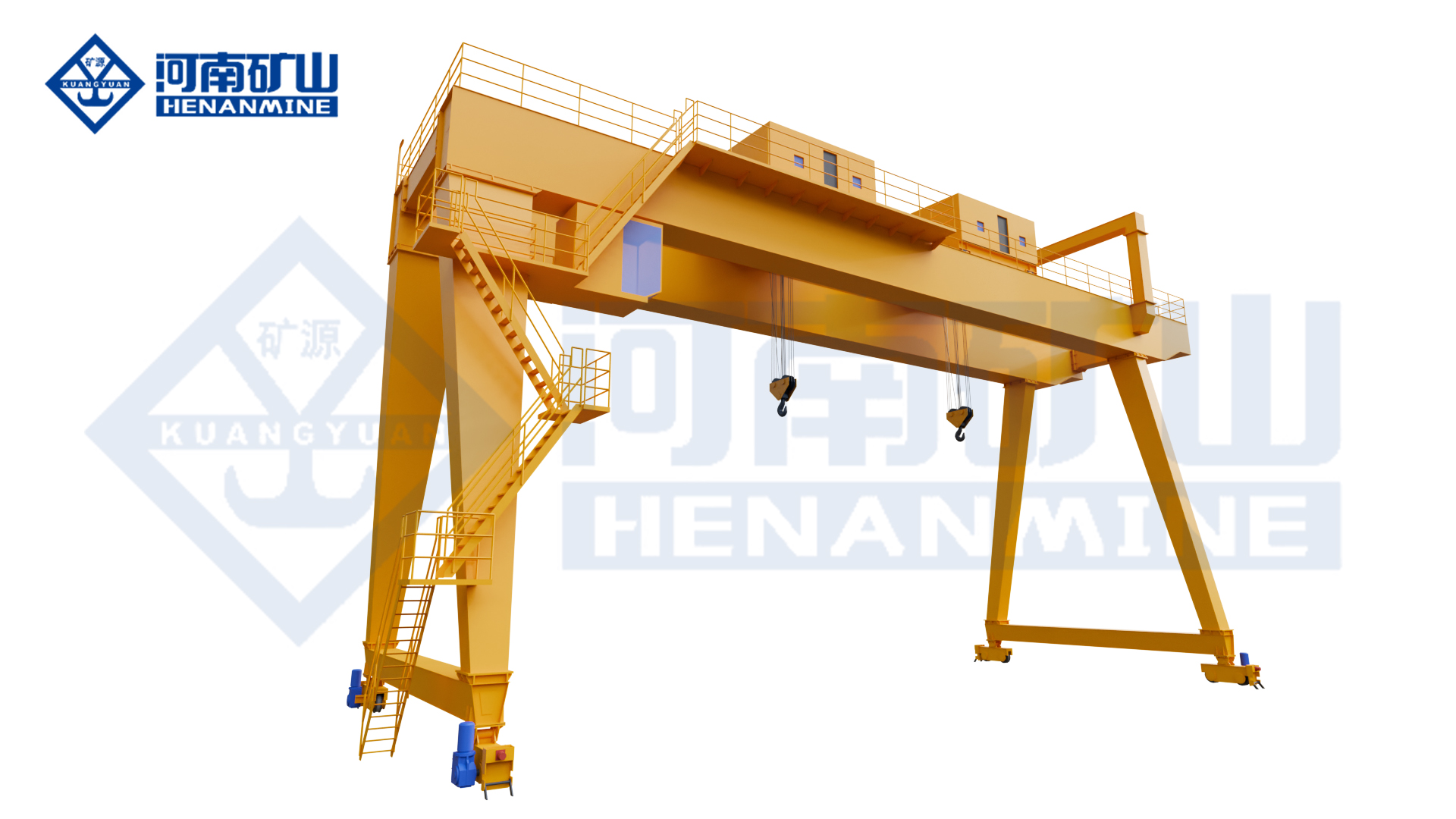
View All Overhead CranesDouble-girder gantry crane
1t-20tElectric Hoist Gantry Cranes
1t-20tGeneral-Purpose Gantry Cranes
1t-20tRubber-Tired Gantry Crane
1t-20tShipbuilding Gantry Cranes
1t-20tSingle-girder gantry crane
1t-20tEnvironment
View All EnvironmentCorrosive Environments Cranes
Dusty Environments Cranes
Explosive Environments Cranes
High-Temperature-Resistant Cranes
Indoors Cranes
Low-Temperature-Resistant Cranes
Outdoor Cranes
Application
View All ApplicationAerospace Cranes
Bulk handling crane
Engineering and Construction Cranes
Foundry and Steel Cranes
Industrial Manufacturing Cranes
Offshore Engineering Cranes
Petrochemicals Crane
Port & Container Terminal Cranes
Warehousing & Logistics Cranes
Water Resources and Power Cranes
Overhead Cranes
View All Overhead CranesDouble-girder overhead crane
1t-20tElectric Hoist Overhead Cranes
1t-20tElectric Single-Girder Cranes
1t-20tElectric Single-Girder Suspended Cranes
1t-20tExplosion-Proof Overhead Cranes
1t-20tGeneral-Purpose Overhead Cranes
1t-20tGrab Overhead Cranes
1t-20tInsulated Overhead Cranes
1t-20tMetallurgical Overhead Cranes
1t-20tEnvironment
View All EnvironmentCorrosive Environments Cranes
Dusty Environments Cranes
Explosive Environments Cranes
High-Temperature-Resistant Cranes
Indoors Cranes
Low-Temperature-Resistant Cranes
Outdoor Cranes
Application
View All ApplicationAerospace Cranes
Bulk handling crane
Engineering and Construction Cranes
Foundry and Steel Cranes
Industrial Manufacturing Cranes
Offshore Engineering Cranes
Petrochemicals Crane
Port & Container Terminal Cranes
Warehousing & Logistics Cranes
Water Resources and Power Cranes
Port Cranes
View All Overhead CranesContainer Straddle Carrier
1t-20tPortal Harbor Crane
1t-20tRMG Crane
1t-20tRTG Crane
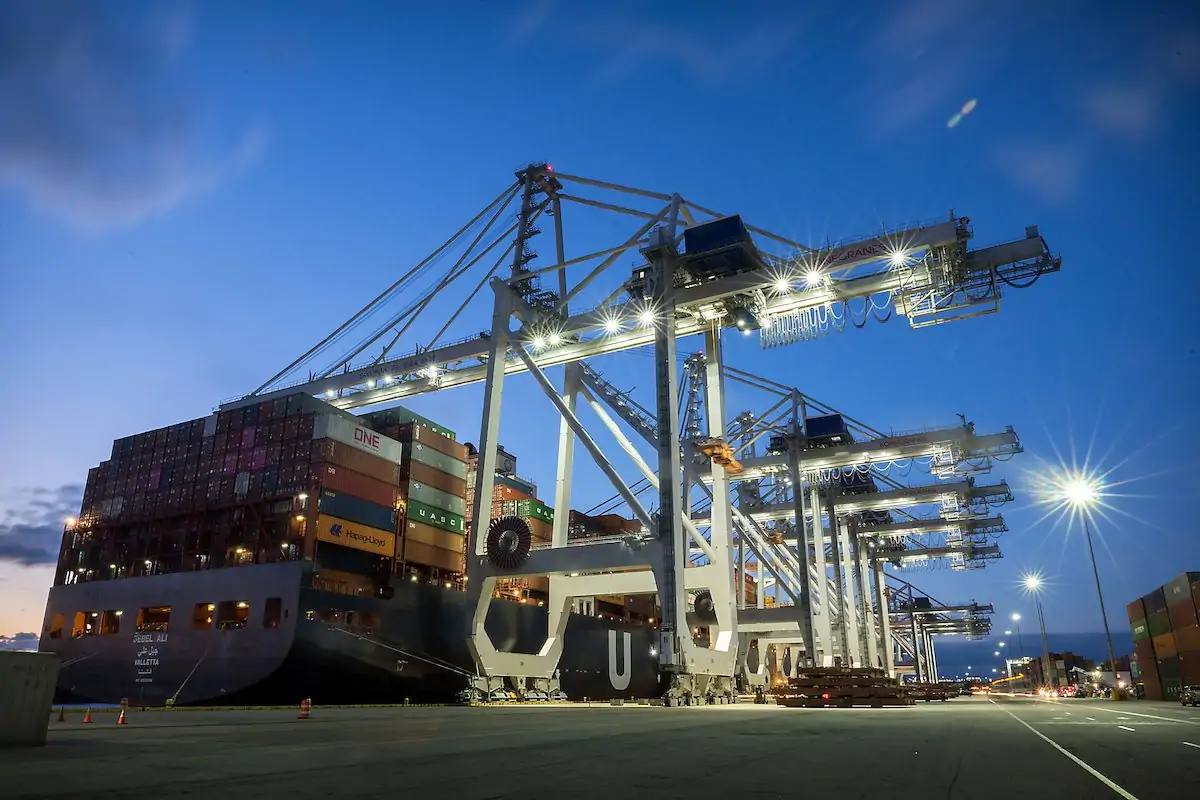
1t-20tShip-To-Shore Crane (STS)
1t-20tEnvironment
View All EnvironmentCorrosive Environments Cranes
Dusty Environments Cranes
Explosive Environments Cranes
High-Temperature-Resistant Cranes
Indoors Cranes
Low-Temperature-Resistant Cranes
Outdoor Cranes
Application
View All ApplicationAerospace Cranes
Bulk handling crane
Engineering and Construction Cranes
Foundry and Steel Cranes
Industrial Manufacturing Cranes
Offshore Engineering Cranes
Petrochemicals Crane
Port & Container Terminal Cranes
Warehousing & Logistics Cranes
Water Resources and Power Cranes
Small Lifting Equipment
View All Overhead CranesEnvironment
View All EnvironmentCorrosive Environments Cranes
Dusty Environments Cranes
Explosive Environments Cranes
High-Temperature-Resistant Cranes
Indoors Cranes
Low-Temperature-Resistant Cranes
Outdoor Cranes
Application
View All ApplicationAerospace Cranes
Bulk handling crane
Engineering and Construction Cranes
Foundry and Steel Cranes
Industrial Manufacturing Cranes
Offshore Engineering Cranes
Petrochemicals Crane
Port & Container Terminal Cranes
Warehousing & Logistics Cranes
Water Resources and Power Cranes
20+ Years Experience
Since 2002Export to 120+ Countries
Global PresenceCertifications
ISO, CE, FEM, EAC24/7 Support
Always Here to Help - INDUSTRY SOLUTIONS
- LIFECYCLE SERVICE
- CASES
- RESOURCES
- ABOUT
- Contact