Cold-Region Railway Container Crane Project
A8 Automated RMG Crane Project for a −40°C Railway Container Yard
A severe-cold rail-mounted gantry crane using ACCS automatic control, GPS high-precision positioning, full VFD drives and energy feedback for high-frequency intermodal container handling.

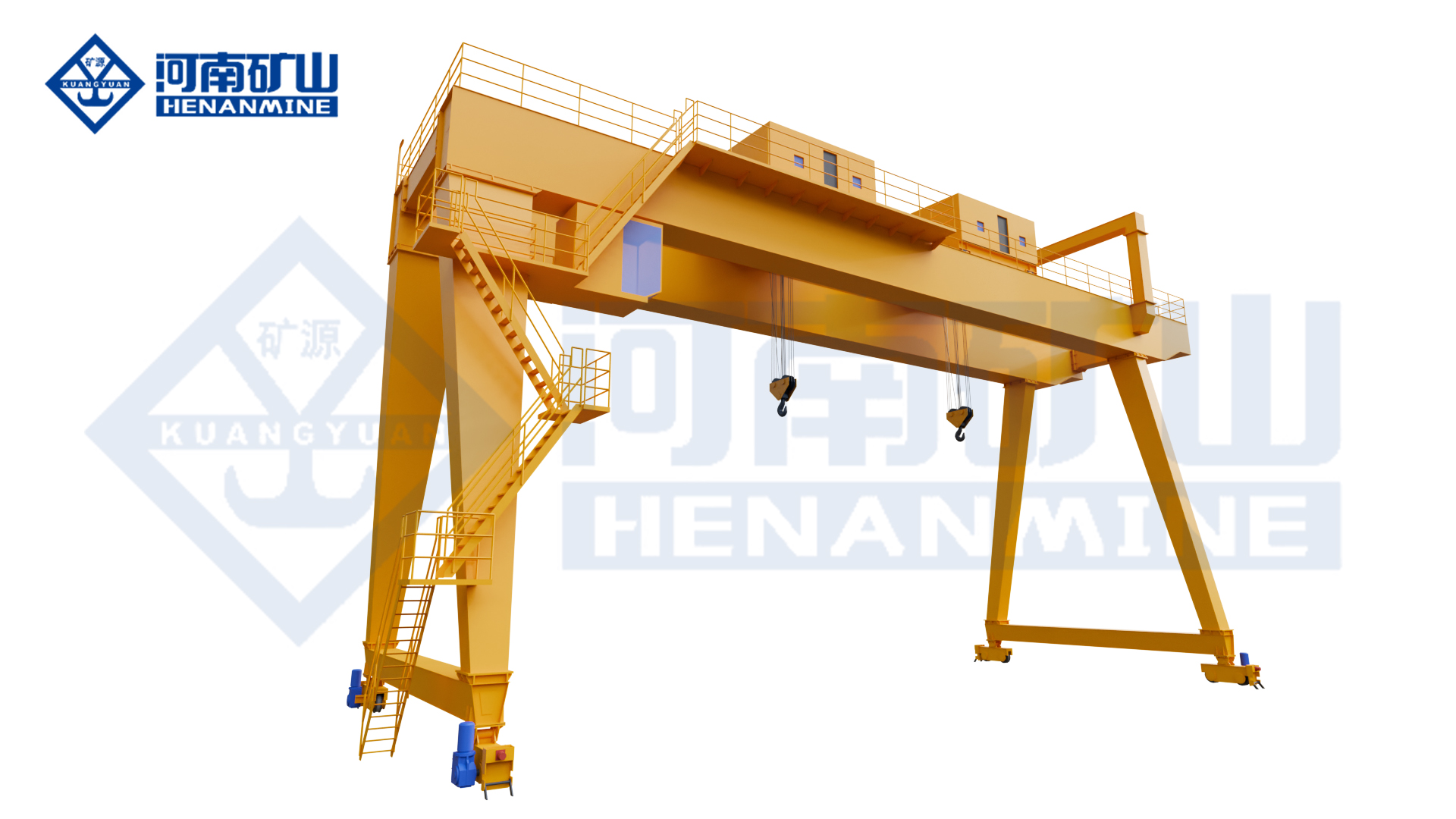
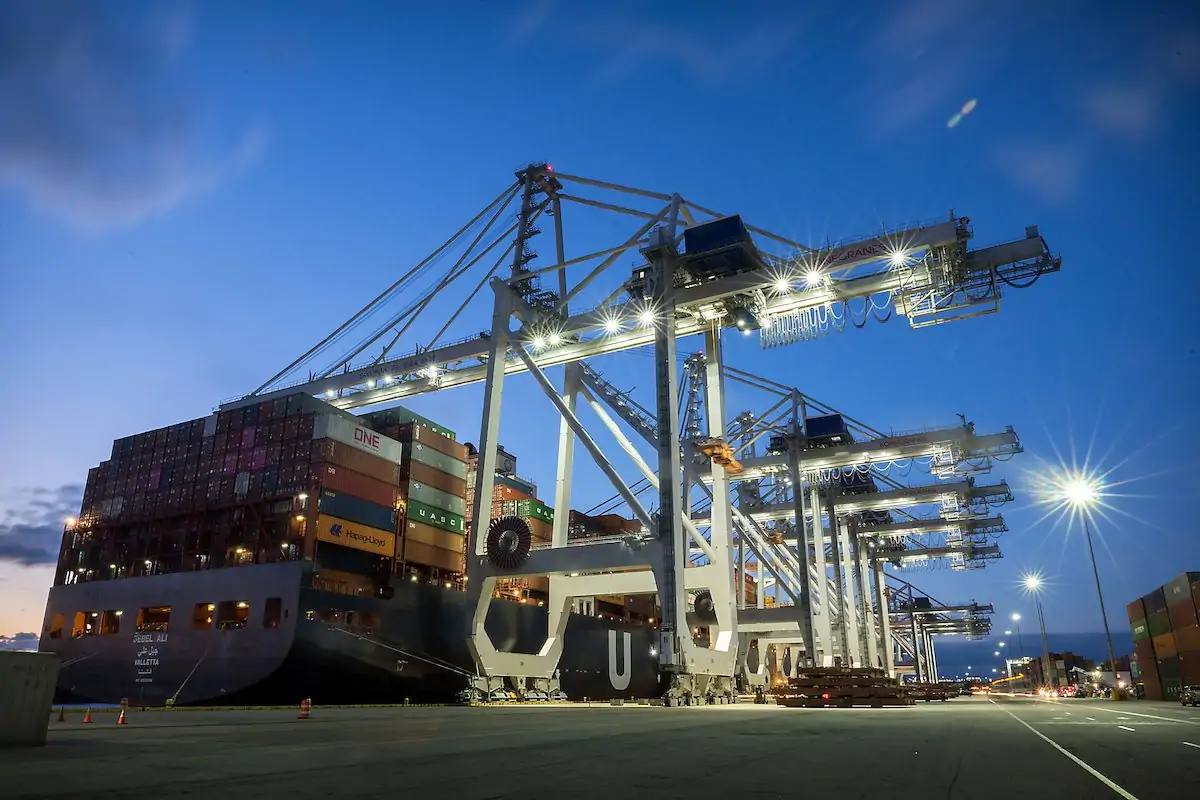
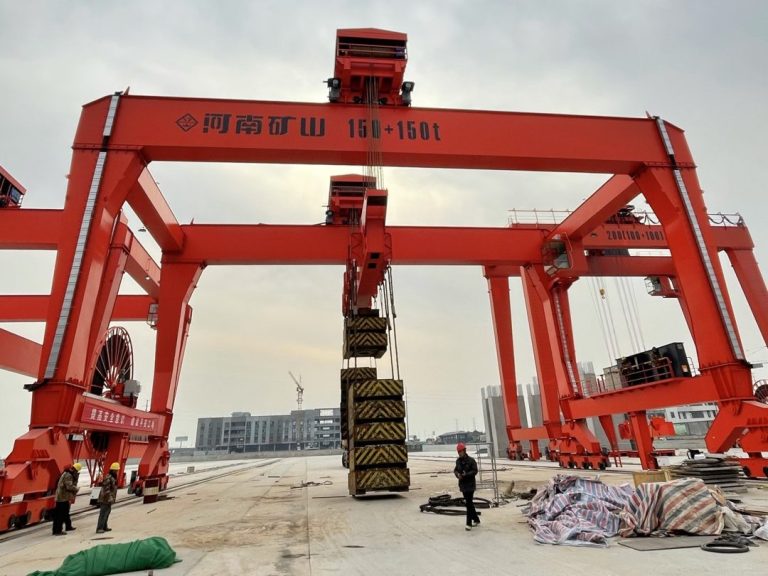
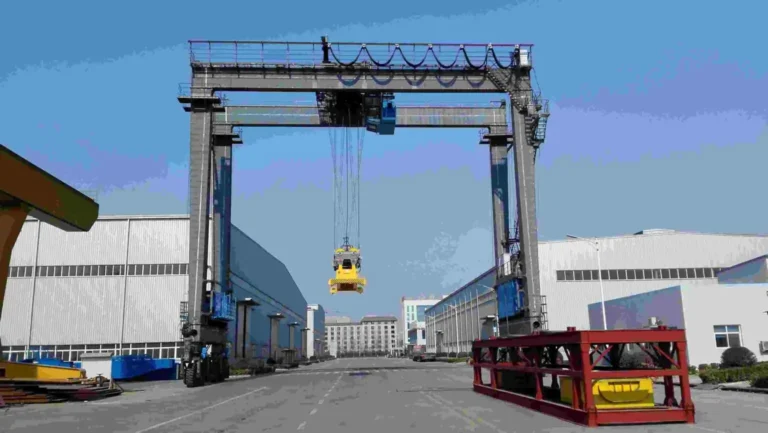
Automated rail-mounted gantry crane handling a container for an overseas railway logistics project.
| ApplicationOverseas railway container yard |
Duty ClassA8 heavy-duty service |
Minimum TemperatureOperation reported to −40°C |
AutomationACCS control + GPS positioning |
Project Background
Henan Mine Crane manufactured an automated rail-mounted container gantry crane for an overseas railway project. The crane is engineered for a severe-cold logistics yard where the reported minimum operating temperature reaches −40°C.
The original project specifies A8 heavy-duty service, full variable-frequency drives with an energy-feedback system, ACCS automatic control and GPS high-precision positioning. These systems support high-frequency container transfer, status visualization and logistics-information integration.
The project report states that the RMG was designed for high-frequency, high-speed operation and achieved handling efficiency three times that of a conventional container gantry crane in the compared application.
Procurement priority: Provide rated capacity under the spreader, container types, rail gauge, stack layout, lifting height, target moves per hour, minimum design temperature, duty class, travel speeds and terminal-system interfaces before selecting an automated RMG.
The Severe-Cold Railway Yard Challenge
Railway container yards coordinate train arrival, wagon positions, road vehicles and storage stacks. The crane must complete repetitive loading and unloading cycles while maintaining accurate alignment with containers, wagons and transfer lanes.
At −40°C, low temperature becomes a primary design input. Structural materials, electrical equipment, cables, lubrication, sensors and auxiliary systems must remain suitable for the minimum operating and storage conditions.
High throughput adds frequent acceleration, braking and mechanism starts. The crane structure, hoisting system, trolley, long travel and spreader must be selected for the required A8 duty and actual container-handling cycle.
Automated RMG Crane Solution
Henan Mine Crane configured the project as an automated rail-mounted gantry crane for severe-cold railway container handling. Special material selection and low-temperature engineering support operation in the reported −40°C environment.
ACCS automatic control coordinates container movements, while GPS high-precision positioning supports repeatable crane location and alignment. Operational displays provide video, crane status and automated handling visibility.
Full VFD control manages hoisting, trolley and crane travel. The energy-feedback system can recover braking energy during frequent movement, reducing energy dissipated through conventional braking resistors when the project electrical system can receive the returned power.
Buyers can review Henan Mine Crane’s rail-mounted gantry crane configurations before preparing the yard-specific technical schedule.
A8 Heavy-Duty Service
The referenced RMG uses A8 heavy-duty service for demanding container-handling cycles. Duty classification reflects utilization, load spectrum, operating time and starts rather than rated capacity alone.
The buyer should provide target moves per hour, peak shift demand, average and maximum container weight, operating days and expected utilization. These inputs guide structural fatigue design and mechanism selection.
A high duty class also affects maintenance planning. Inspection access, component-life monitoring, spare-parts strategy and planned service intervals should be included in the commercial comparison.
Use the crane duty class guide when preparing the procurement specification.
Low-Temperature Engineering to −40°C
The project crane is designed for operation at temperatures as low as −40°C. Minimum design temperature affects material toughness, welding procedures, mechanical components and electrical equipment.
A new enquiry should state minimum operating temperature, minimum storage temperature, temperature-change rate, wind, snow, ice and expected cold-start conditions. Heating, enclosure, lubrication and operating procedures can then be selected where required.
Low-temperature suitability should be documented by component and system. General claims such as “cold-climate crane” are not sufficient for comparing suppliers when the terminal requires dependable operation at −40°C.
ACCS Automatic Container Control
ACCS automatic control supports programmed container transfer with reduced dependence on repeated manual positioning. The control architecture coordinates crane travel, trolley position, spreader movement and container-handling status.
For a new terminal, the automation scope should define train and wagon data, container identification, stack allocation, truck lanes, operating commands and interfaces with the terminal or yard management system.
Automatic mode also requires defined recovery procedures. Communication loss, unavailable target positions, spreader faults, blocked paths and inconsistent data should place the crane in a known safe state and provide useful diagnostics.
GPS High-Precision Positioning
GPS high-precision positioning supports repeatable crane location across the railway yard. Accurate long-travel position is coordinated with trolley and spreader control for container pickup and placement.
A buyer should state required accuracy, repeatability, reference coordinates, coverage, update rate and acceptance method. The system should also define behavior if the positioning signal becomes unavailable or inconsistent.
Final container alignment depends on the complete control chain, including crane position, trolley position, spreader motion and load sway. Acceptance testing should use representative container, wagon and stack positions rather than checking GPS data alone.

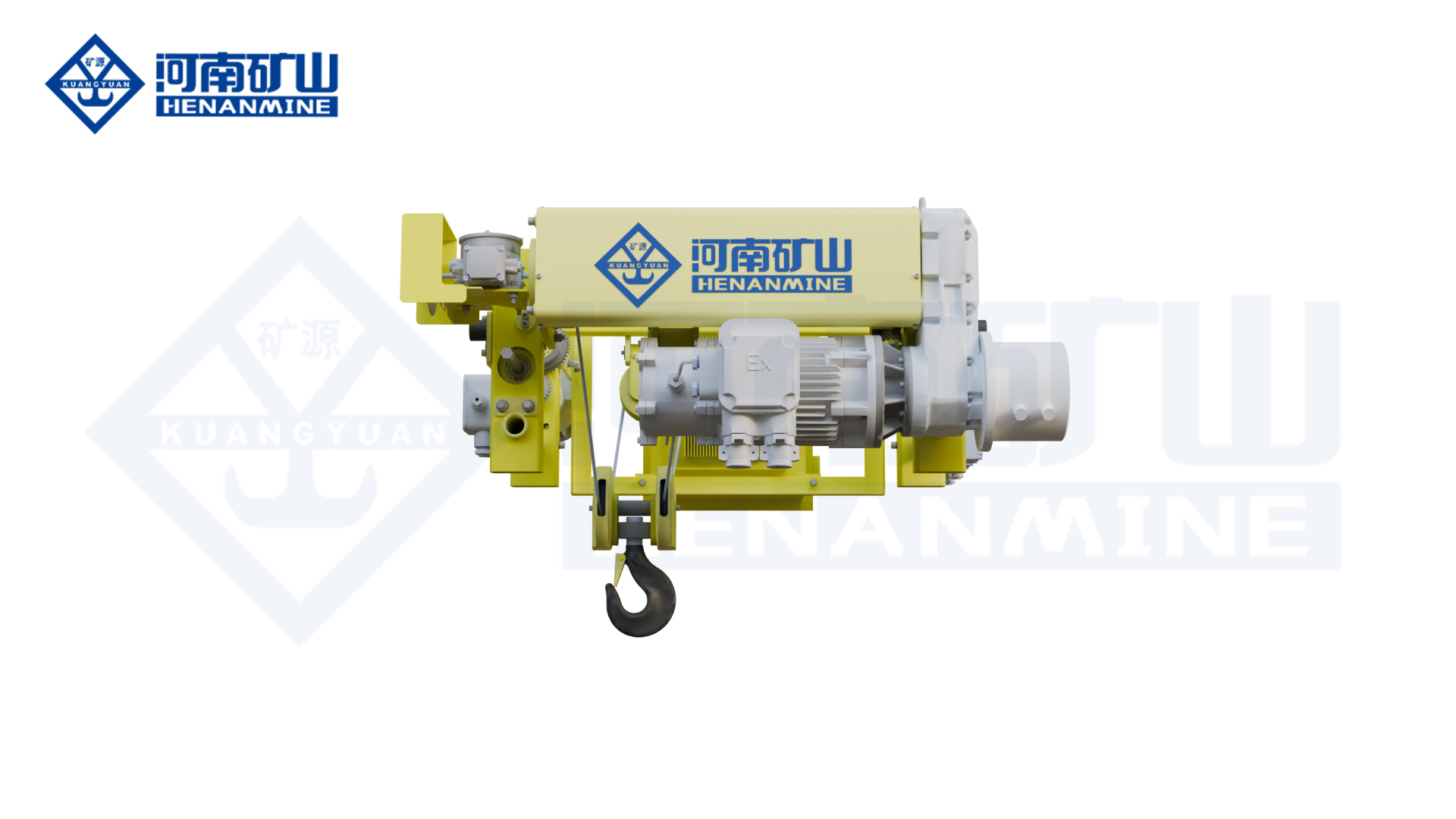
Heavy-duty trolley and hoisting machinery on the automated container RMG.
|

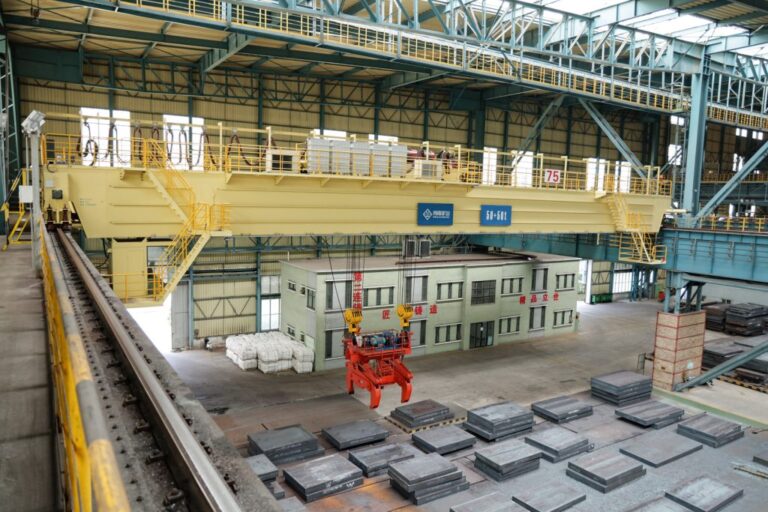
Remote displays showing crane video, positioning and automatic container-handling status.
|
Full VFD Drives with Energy Feedback
Full variable-frequency control provides smooth acceleration, deceleration and low-speed operation for the crane’s primary mechanisms. This supports high-speed travel while retaining controlled approach to containers and target positions.
Frequent lowering and braking can return energy through the project’s feedback system. Annual savings depend on container weights, travel distances, operating cycles and the terminal electrical architecture.
Commercial comparisons should use the same throughput and duty assumptions. Installed motor power alone does not show actual energy consumption or recovered energy.
High-Speed Throughput Engineering
The referenced project reports handling efficiency three times that of a conventional container gantry crane in the compared application. A new project should convert throughput expectations into contractually defined moves per hour and operating conditions.
Cycle analysis covers spreader positioning, engagement, hoisting, trolley travel, crane travel where required, placement, release and return. Delays caused by train data, truck arrival or unavailable stack positions should be separated from crane motion time.
The guaranteed throughput test should define container type, weight, travel distance, lift height, sequence and number of cycles. This allows the buyer to compare actual system performance rather than headline speed.
Crane Status Visualization and Logistics Integration
The project provides crane-status visualization and logistics-information integration. Operators can monitor video, position, mechanism state and automated container-handling activity from the control environment.
Interface design should list exchanged data, communication protocol, command ownership, update frequency, alarm behavior and cybersecurity responsibilities. The terminal system must know which crane and container status is authoritative.
Event history, alarms and operating records can support fault analysis and maintenance planning. Data storage, access permission and retention period are agreed in the project scope.
Rail Layout, Stack Geometry and Spreader Selection
The RMG span is selected from rail tracks, road lanes, container rows and required cantilever areas. Yard drawings should show rail gauge, crane travel length, stack height, container clearances and transfer lanes.
Rated capacity is stated under the spreader. The buyer should identify container standards, maximum gross weight, single or twin-lift requirement and special handling interfaces.
Lift height includes the highest stack, safe clearance, container height and spreader geometry. Trolley and crane approaches are checked against end positions, rail equipment and maintenance zones.
Safety and Remote Recovery
Automated container handling requires detection and protection for crane routes, stack areas, truck lanes and railway interfaces. Safety zones, access control, anti-collision and emergency stops are coordinated with operating modes.
The project should define automatic, remote-manual, local maintenance and emergency-recovery modes. Control ownership and permitted speeds must be clear whenever the mode changes.
Safe parking, storm procedures, power-loss response, communication-loss behavior and manual retrieval of a suspended container are included in the operating and commissioning plan.
Testing and Commissioning
Factory and site tests verify mechanisms, brakes, protection, VFD control, energy feedback, ACCS functions, GPS positioning, monitoring and terminal interfaces according to the contract.
Low-temperature suitability is supported by material and component documentation. Functional commissioning should also consider the environmental conditions and procedures required for cold startup and operation.
Automatic cycle tests use representative wagon, truck and stack locations. Positioning, throughput, safety response, alarm handling and recovery modes are measured against agreed acceptance criteria.
Key Project Configuration
| Project Element |
Referenced Configuration and Buyer Value |
| Application |
Overseas railway container-handling project. |
| Crane Type |
Automated rail-mounted gantry crane. |
| Duty Class |
A8 heavy-duty, high-frequency service. |
| Operating Temperature |
Project-reported operation down to −40°C. |
| Automation |
ACCS automatic container control. |
| Positioning |
GPS high-precision positioning. |
| Drive System |
Full VFD control with energy-feedback system. |
| Reported Efficiency |
Three times conventional container gantry crane efficiency in the compared application. |
| Digital Functions |
Status visualization and logistics-information integration. |
Project Result
The automated RMG provides the overseas railway yard with high-frequency container handling under severe-cold operating conditions down to the project-reported −40°C.
A8 duty supports demanding utilization, while ACCS automatic control and GPS positioning coordinate repeatable container transfer. Full VFD drives and energy feedback manage frequent acceleration and braking cycles.
Status visualization and logistics integration improve operational visibility. The project reports handling efficiency three times that of a conventional container gantry crane in the compared application.
Information Required for an Automated RMG Quote
Send the following information so Henan Mine Crane can prepare a project-specific technical proposal and commercial quotation:
Container Data
Container types, maximum gross weight, rated load under spreader, single or twin lift and special interfaces |
Yard Layout
Rail gauge, runway length, rail tracks, road lanes, stack rows, stack height, cantilevers and clearances |
Performance
Duty class, target moves per hour, travel distances, lifting height, speeds, operating hours and availability |
Cold Climate
Minimum operating and storage temperatures, wind, snow, ice, cold-start conditions and local standards |
Automation
Positioning tolerance, ACCS scope, container identification, monitoring, TOS/YMS interfaces and safety zones |
Project Scope
Testing, transport, rail interface, erection, commissioning, training, spares, warranty and lifecycle service |
Frequently Asked Questions
Can an RMG crane operate at −40°C?
Yes. The referenced project reports operation to −40°C using severe-cold material and equipment selection defined during crane design.
What duty class does the project crane use?
The automated railway container RMG is specified for A8 heavy-duty, high-frequency operation.
How is the RMG positioned automatically?
The project combines ACCS automatic control with GPS high-precision positioning for repeatable crane and container handling.
What is the purpose of the energy-feedback system?
It can return braking energy generated during frequent crane, trolley and hoisting movements when the terminal electrical system supports energy recovery.
Can the RMG integrate with a terminal operating system?
Yes. The project supports logistics-information integration. A new system’s protocols, data, commands, status ownership and alarm behavior must be defined during engineering.
What information is needed before pricing?
Provide container and spreader data, rail and stack layout, duty, throughput, minimum temperature, travel speeds, power supply, automation interfaces, standards and project scope.
Request an Automated RMG Crane Quote
Send your container data, railway yard layout, target throughput, minimum temperature, duty class and automation interfaces. Henan Mine Crane will prepare a cold-region RMG proposal and commercial quotation.
Request a Custom Project Quote