Explosion-Proof Aerospace Crane Project
160t+160t Explosion-Proof Overhead Crane for Aerospace Propulsion Manufacturing
A high-capacity double-girder crane project engineered for synchronized lifting, controlled positioning and hazardous-area requirements in heavy aerospace propulsion production.
| Industry |
Aerospace propulsion and solid rocket motor manufacturing |
| Project Crane |
160t+160t explosion-proof electric double-girder overhead crane |
| Project Supply |
Part of an aerospace cooperation covering more than 60 sets of different crane products |
| Handling Requirement |
High-capacity lifting, dual-point coordination and stable low-speed positioning |
| Load Type |
Large cylindrical propulsion structures and heavy production assemblies |
| Critical RFQ Data |
Hazardous-area classification, load drawing, lifting points, rigging, span and lifting height |

Large propulsion component illustrating the lifting capacity, load-control and rigging requirements of heavy aerospace manufacturing.
Heavy Aerospace Lifting Requirements
Large solid rocket motor structures and propulsion components can combine very high weight with long cylindrical geometry. The crane must lift the full suspended load while controlling the forces created by multiple lifting points, rigging weight, load distribution and changes in component orientation.
For this project, Henan Mine Crane supplied a 160t+160t explosion-proof overhead crane as part of a wider aerospace cooperation involving more than 60 sets of different crane products. The high-capacity crane was developed for propulsion manufacturing where synchronized hoisting, stable positioning and hazardous-area requirements must be considered together.
Buyers evaluating a comparable application can first review the complete explosion-proof aerospace crane solution, then issue the project-specific load and hazardous-area data required for engineering.
Why the Project Required a 160t+160t Configuration
The 160t+160t designation identifies two high-capacity lifting systems in the project configuration. The required operating modes, individual lifting limits, combined-load rules and permitted synchronization conditions must be defined in the crane technical specification.
A long propulsion component may require two main lifting points to control bending, load balance and orientation. The bridge, trolley arrangement, hoisting mechanisms and control logic must therefore be engineered as one handling system. Capacity selection must also include the rigging, lifting beam, hooks and any process attachment suspended below the crane.
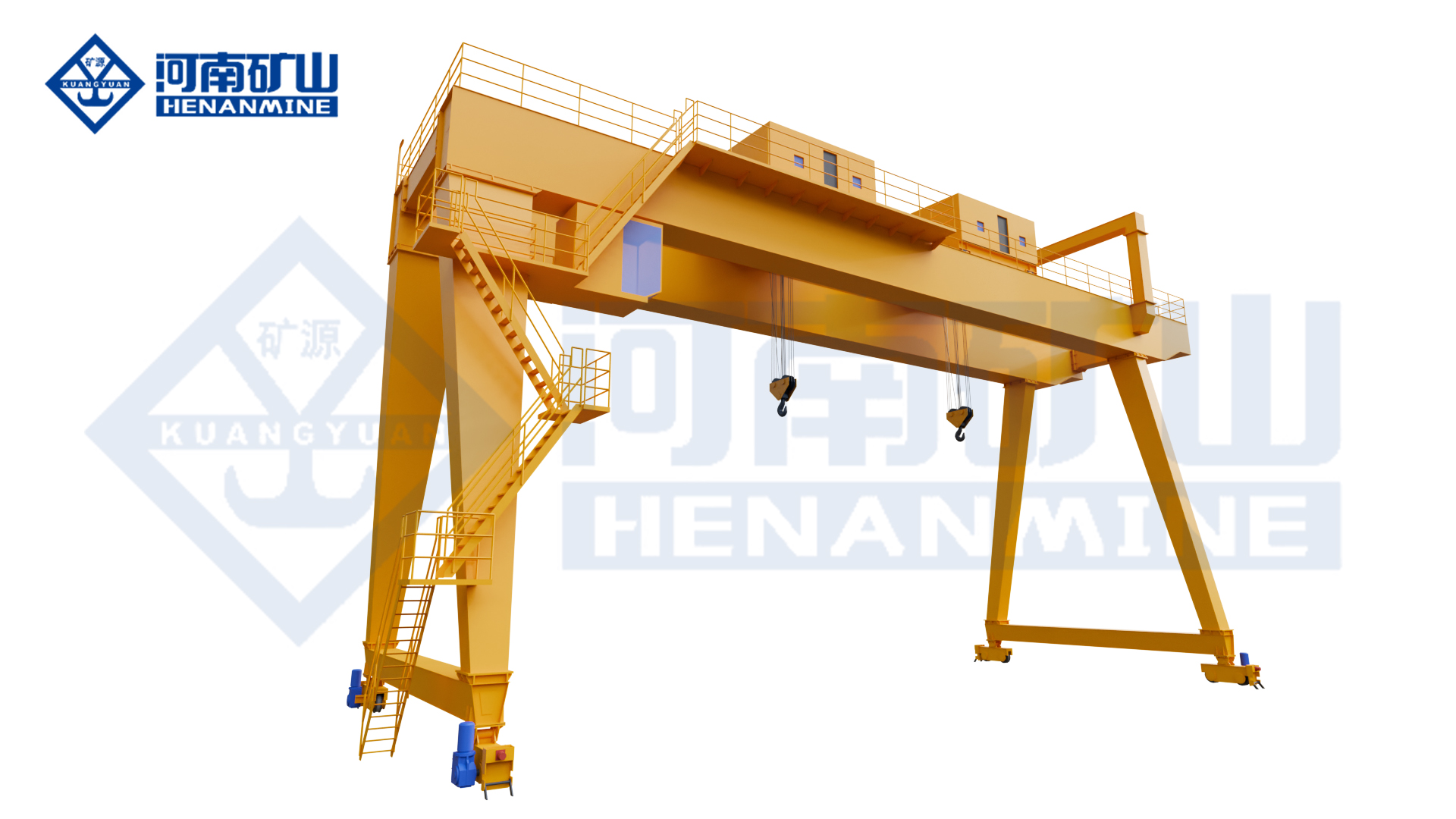
A heavy double-girder overhead crane provides the structural platform for high-capacity lifting, while the final bridge, trolley and mechanism design is calculated from the actual span, lifting height, runway, duty and load case.
Synchronized Lifting and Load Stability
Differential movement between lifting points can tilt a long cylindrical component and redistribute forces through the slings and lifting beam. The control strategy must monitor and coordinate the required hoisting movements so the load remains within the permitted handling condition.
Variable-frequency control can provide smoother acceleration, deceleration and low-speed positioning. These functions help operators approach assembly or production positions with less sudden movement. The required positioning speed, allowable differential movement and operating sequence should be agreed before control-system design.

Overhead crane handling a large cylindrical propulsion component during manufacturing operations.
|

Multi-point sling arrangement supporting a large propulsion component during lifting.
|
Explosion-Proof Requirements Must Match the Hazardous Area
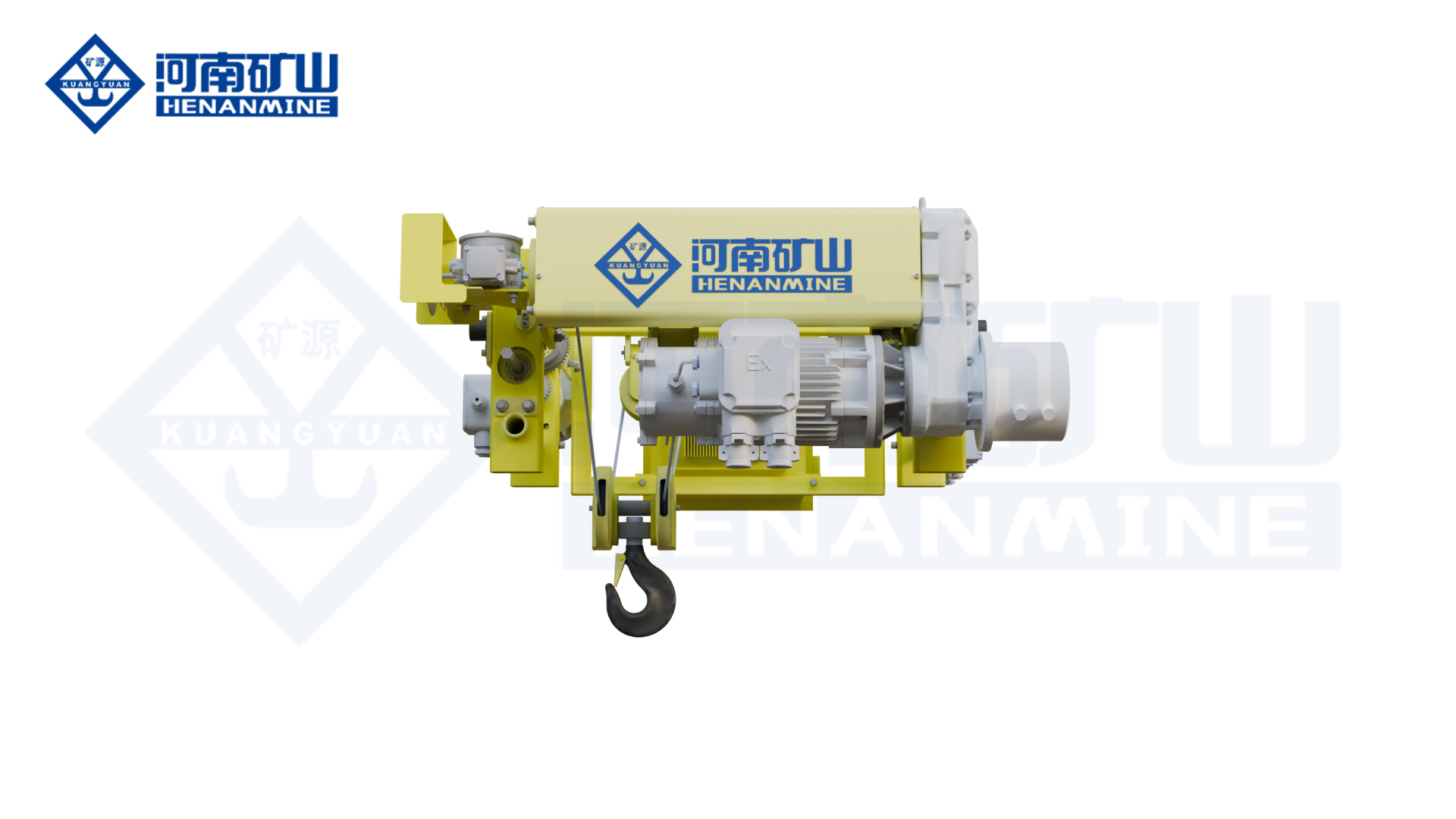
An explosion-proof crane cannot be selected from capacity alone. The buyer must provide the hazardous-area classification, gas or dust group where applicable, temperature class, required equipment protection level and local electrical standard. These requirements determine the selection of motors, electrical enclosures, controls, brakes, limit devices, cabling and auxiliary equipment.
The project specification should also identify which crane areas and operating conditions are included in the explosion-protection scope. Buyers can compare available explosion-proof overhead crane configurations after the site classification has been confirmed.
Project Engineering Priorities
| Engineering Item |
Information Required From the Buyer |
Why It Affects the Crane |
| Suspended load |
Component, rigging and lifting-beam weights |
Determines structural and mechanism load cases |
| Load geometry |
Dimensions, centre of gravity and lifting points |
Defines hook spacing, rigging and lifting attachment |
| Building interface |
Span, lifting height, runway and available headroom |
Controls crane geometry, wheel loads and hook coverage |
| Operating duty |
Operating hours, starts per hour and load spectrum |
Sets the required mechanism and structural duty classification |
| Hazardous area |
Zone, media group, temperature class and protection level |
Controls explosion-protected equipment selection |
| Motion control |
Required speeds, positioning accuracy and synchronized modes |
Defines drives, feedback and control logic |
The working frequency and load spectrum should be converted into the correct crane duty class. Selecting only by maximum tonnage can result in mechanisms that do not match the actual production cycle.
Project Result
The 160t+160t explosion-proof electric double-girder overhead crane became part of a broader aerospace lifting program involving more than 60 sets of different crane products. The project provided a high-capacity handling platform for heavy propulsion components while integrating synchronized lifting and application-specific explosion protection.
For a related aerospace manufacturing project using different crane capacities for production and maintenance, review the 60t and 20/10t aerospace overhead crane project.
RFQ Checklist for a Heavy Explosion-Proof Crane
- Maximum component weight plus rigging and lifting-attachment weight
- Load drawing, centre of gravity, lifting points and required orientation
- Individual and combined lifting modes for both hoisting systems
- Crane span, lifting height, runway length, headroom and building drawings
- Duty cycle, required speeds, low-speed positioning and synchronization limits
- Hazardous-area zone, media group, temperature class and equipment protection level
- Power supply, local electrical standard and required inspection documentation
- Installation access, site assembly, load testing and commissioning scope
Use the overhead crane RFQ checklist to organize the project data before requesting a technical and commercial proposal.
Frequently Asked Questions
What does 160t+160t mean in an overhead crane specification?
It identifies two 160t lifting systems in the referenced configuration. The technical specification must define whether they operate independently, simultaneously or in synchronized modes, together with all combined-load restrictions.
Can a standard explosion-proof crane specification be used for every hazardous area?
No. Explosion-protected equipment must be selected from the actual zone classification, gas or dust group, temperature class, required protection level and applicable electrical standard.
What information is needed for synchronized propulsion-component lifting?
Provide the total suspended weight, component drawing, centre of gravity, lifting points, allowable tilt or differential movement, rigging arrangement, required speeds and complete operating sequence.
Planning a Heavy Explosion-Proof Crane Project?
Send your load drawing, rigging information, workshop layout, lifting modes, duty cycle and hazardous-area specification for an engineering review.
Request an Explosion-Proof Crane Proposal