Smart Crane Fleet for 6 Million-Tonne Manufacturing Plant

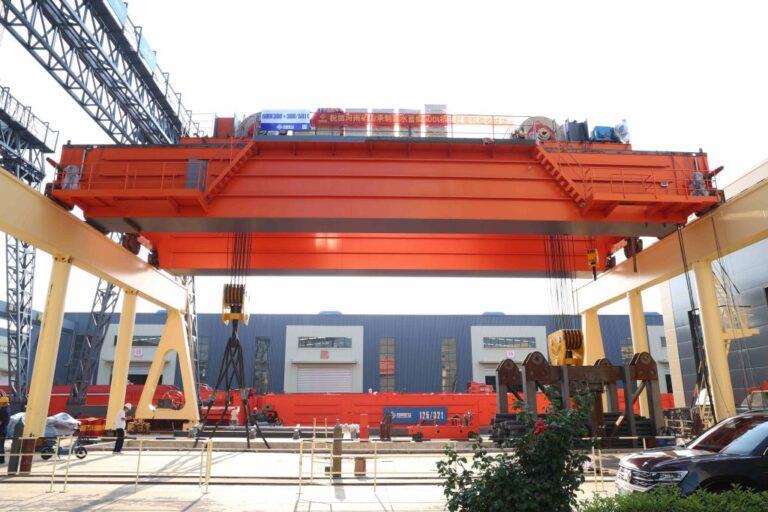
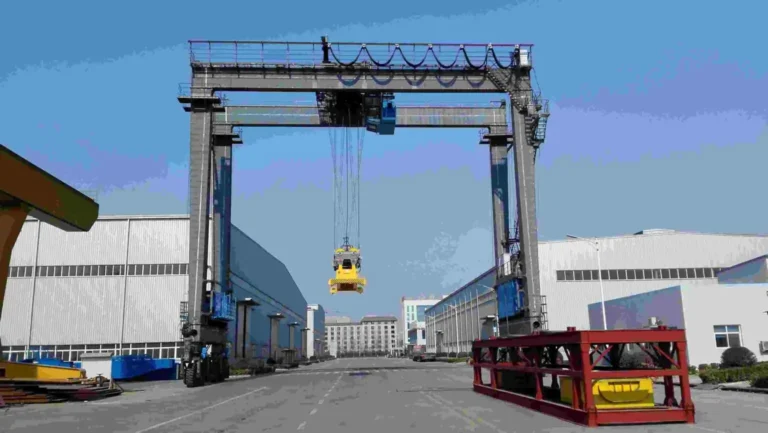
Smart crane used on a large-scale manufacturing production line with automated positioning functions.
Large manufacturing plants often require dozens or even hundreds of cranes across production lines, warehouses and maintenance bays. The procurement challenge is not simply buying many cranes; it is standardizing controls and maintenance while matching each crane to its exact workstation.
Henan Mine Crane manufactured more than 150 cranes of different types for a 6 million-tonne project. The source specifically identifies two 100t intelligent cranes used on the production lines, while additional cranes for Phase II were also under manufacture.
Project Background
A large crane fleet should be planned from the complete plant material flow. Heavy assembly positions may require 100t-class equipment, while lighter production stations need smaller capacities and faster cycles.
Smart functions such as station recognition, crane-position tracking and automatic operation can reduce repeated manual positioning at process stations, but they need reliable feedback and recovery modes.
Customer Challenges
- Coordinating more than 150 cranes across multiple production lines.
- Standardizing controls and maintenance without oversizing every workstation.
- Automatically identifying workstations and tracking crane positions.
- Providing fault self-diagnosis for a large installed equipment base.
- Maintaining safe operation through redundant systems and monitoring.
- Planning phased crane supply as the manufacturing plant expands.
Henan Mine Crane Solution
The two referenced 100t smart cranes use intelligent solutions for automatic workstation recognition and crane-position tracking. Variable-frequency speed control supports controlled movement and automatic operation.
The source also states that the cranes use fault self-diagnosis, redundant design and monitoring systems to improve equipment availability and operating safety.
For a new large manufacturing facility, Henan Mine Crane can create a crane schedule by production line, standardize common controls and components, and then select capacity and lifting attachments for each station.
| Recommended Solution |
Smart Multi-Crane Factory Fleet |
| Project Scale |
150+ cranes of different types |
| Intelligent Cranes |
2 × 100t smart cranes highlighted in the source |
| Smart Functions |
Workstation recognition + crane-position tracking + automatic operation |
| Reliability |
VFD control + fault self-diagnosis + redundancy + monitoring |

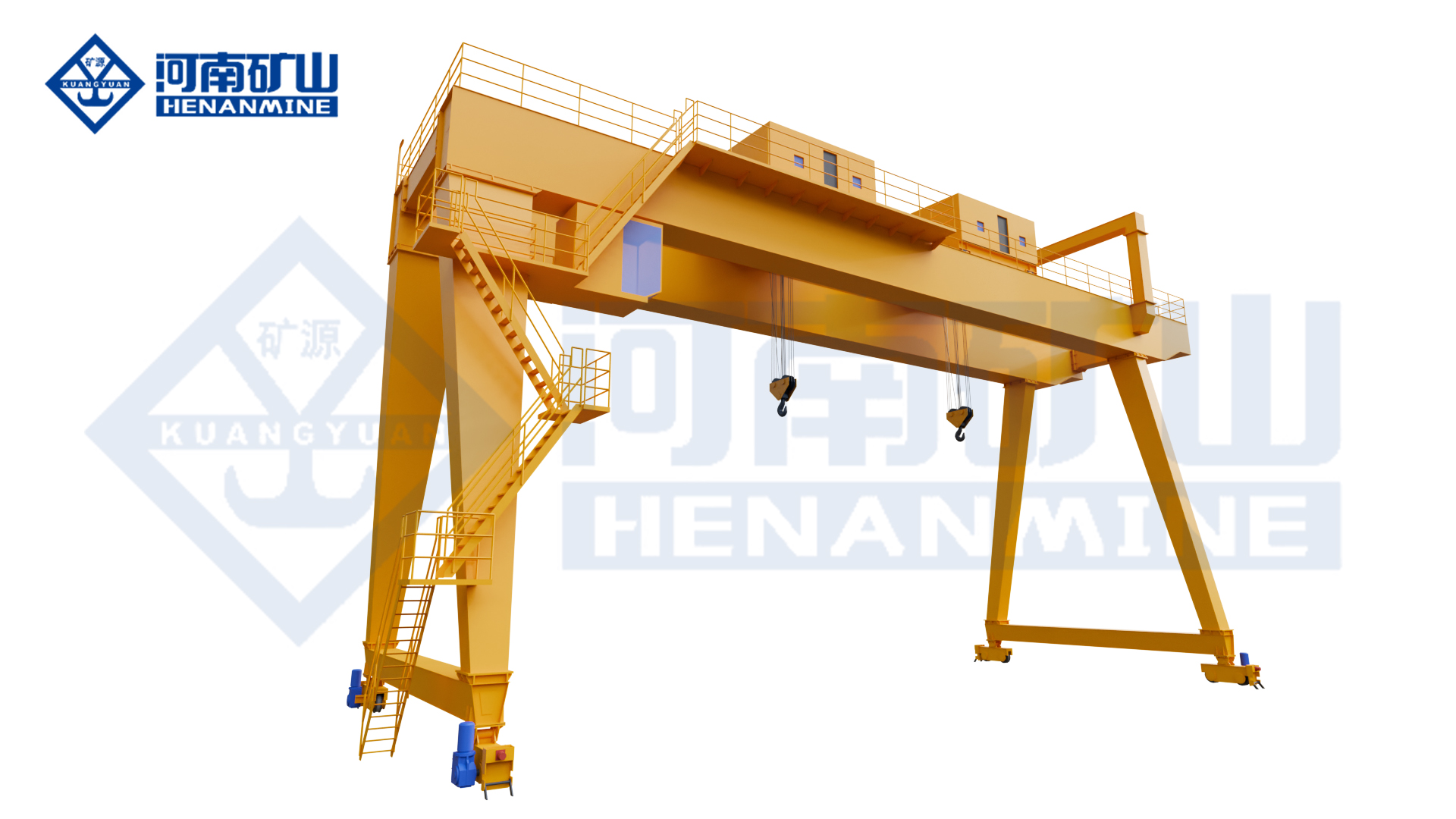
Heavy overhead cranes installed along a high-capacity industrial production workshop.
|

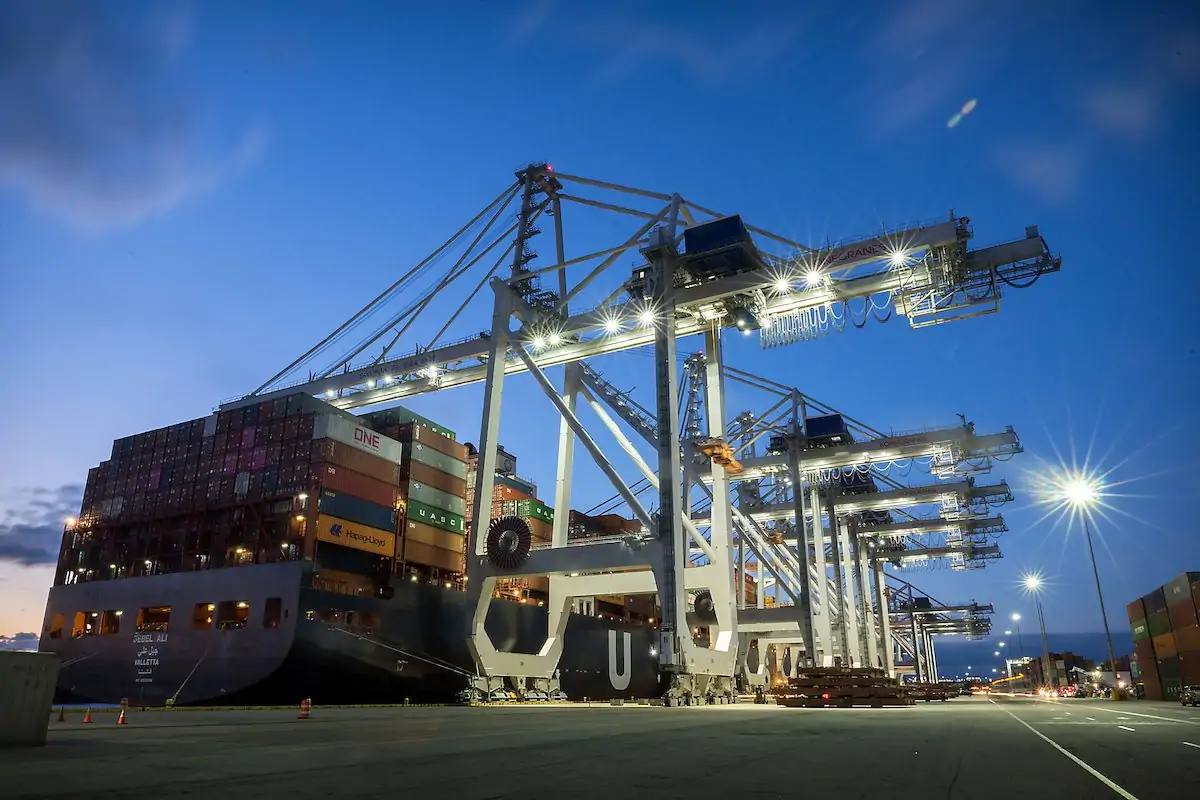
Twin-hook overhead cranes serving stacked material handling in an industrial manufacturing line.
|
Key Technical Features
Workstation Recognition
The crane can identify programmed production positions to support repeatable material handling.
Intelligent Position Tracking
Crane location can be tracked to improve movement coordination and production visibility.
VFD Automatic Operation
Variable-frequency control provides smoother motion and supports automated handling cycles.
Fault Self-Diagnosis
Diagnostic functions help maintenance teams identify abnormal operating conditions faster.
Redundant Design
Redundant system design and monitoring improve availability for production-critical cranes.
Application Scenarios
| Large Manufacturing Plants |
Crane fleets serving multiple production lines and process bays. |
| Heavy Assembly Lines |
100t-class smart lifting for large production components. |
| Automated Workstations |
Repeatable pickup and placement between defined production positions. |
| Factory Expansion Projects |
Phased crane supply coordinated with new production lines. |
Why Choose Henan Mine Crane
- Henan Mine Crane can plan a whole factory crane fleet rather than treat each crane as an isolated purchase.
- Common controls and components can be standardized to reduce spare-parts and training complexity.
- Automation can be added only where production cycles justify the investment.
- Phase-based delivery can be coordinated with civil construction and line commissioning.
Frequently Asked Questions
How should a 100+ crane factory project be specified?
Create a crane schedule for every bay with capacity, span, lifting height, duty, load type, speeds, control method, installation date and automation requirements.
Can smart cranes automatically recognize workstations?
Yes. The referenced project uses automatic workstation recognition and crane-position tracking.
How can maintenance be simplified across a large crane fleet?
Standardize drives, controls, motors, brakes, electrical components and documentation where practical, while keeping capacity and lifting devices specific to each workstation.
Request An Industrial Manufacturing Crane Solution
Send your load data, workshop or yard layout, production process, operating cycle and control requirements. Henan Mine Crane engineers will review the application and prepare a project-specific crane proposal.
Request A Quote | View Overhead Cranes