LX Electric Single Girder Suspension Overhead Crane
For workshops that need overhead lifting without floor-mounted crane columns and want to preserve usable production space.
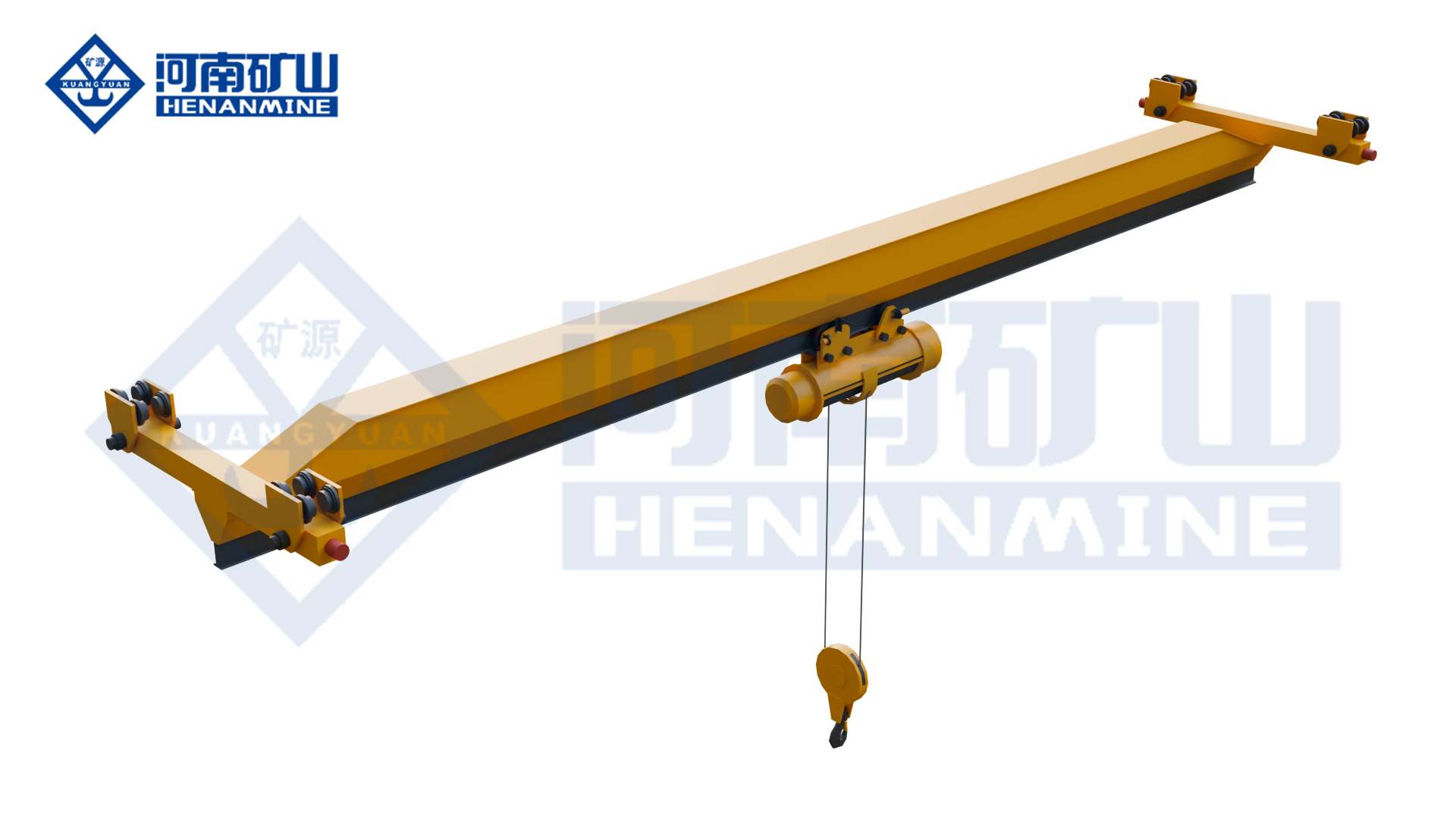
Henan Mine Crane lx suspension crane showing the suspended crane structure and overhead lifting arrangement.
The LX electric single-girder suspension crane is an underhung overhead crane whose runway is fixed to the building structure, such as roof trusses or structural supports. It is intended for intermittent and repetitive lifting in general industrial environments and provides vertical lifting, cross travel and long travel.
For a buyer, the main question is whether the existing or planned roof structure can support the crane loads while providing enough runway coverage and hook height. This product is especially relevant when floor space must remain clear for machines, production lines, storage and personnel movement.
Quick Specifications
| Product Model |
LX |
| Type-Test Product Name |
Electric Single Girder Suspension Crane |
| Lifting Mechanism |
Electric hoist |
| Lifting Capacity |
Configured according to project requirements |
| Span / Working Width |
Configured from building structure and required crane coverage |
| Lifting Height |
Configured according to workshop and process requirements |
| Runway / Suspension System |
Roof-supported / building-supported suspended runway |
| Control Method |
Configured according to project requirements |
Best For: For workshops that need overhead lifting without floor-mounted crane columns and want to preserve usable production space.
Request A LX Suspension Crane Quote
Product Overview
Runway is fixed directly to the building structure, such as roof trusses or structural supports.
Electric hoist is used as the lifting mechanism.
Provides vertical lifting, cross travel and long travel.
For procurement, unpublished capacity, span and speed ranges should not be assumed from similar crane models. Henan Mine Crane should size the final crane from the building structure, suspension points, load, lifting height, operating cycle, environment and applicable project requirements.
Why Choose LX Suspension Crane?
Clear Floor Space
The suspended runway is carried by the building structure, so the crane does not require floor-mounted crane columns along the working area.
High Space Utilization
The source specifically highlights roof-level installation as a way to release valuable production and storage floor space.
Lightweight Structure
Lower crane self-weight can reduce structural demand compared with heavier crane arrangements.
Flexible Layout
Suspension runways can be arranged around the workshop structure to provide practical coverage where supported by the building.
Good for Space-Constrained Workshops
It is a strong candidate when the buyer wants lifting coverage but cannot sacrifice floor space to crane-support columns.
Product Images
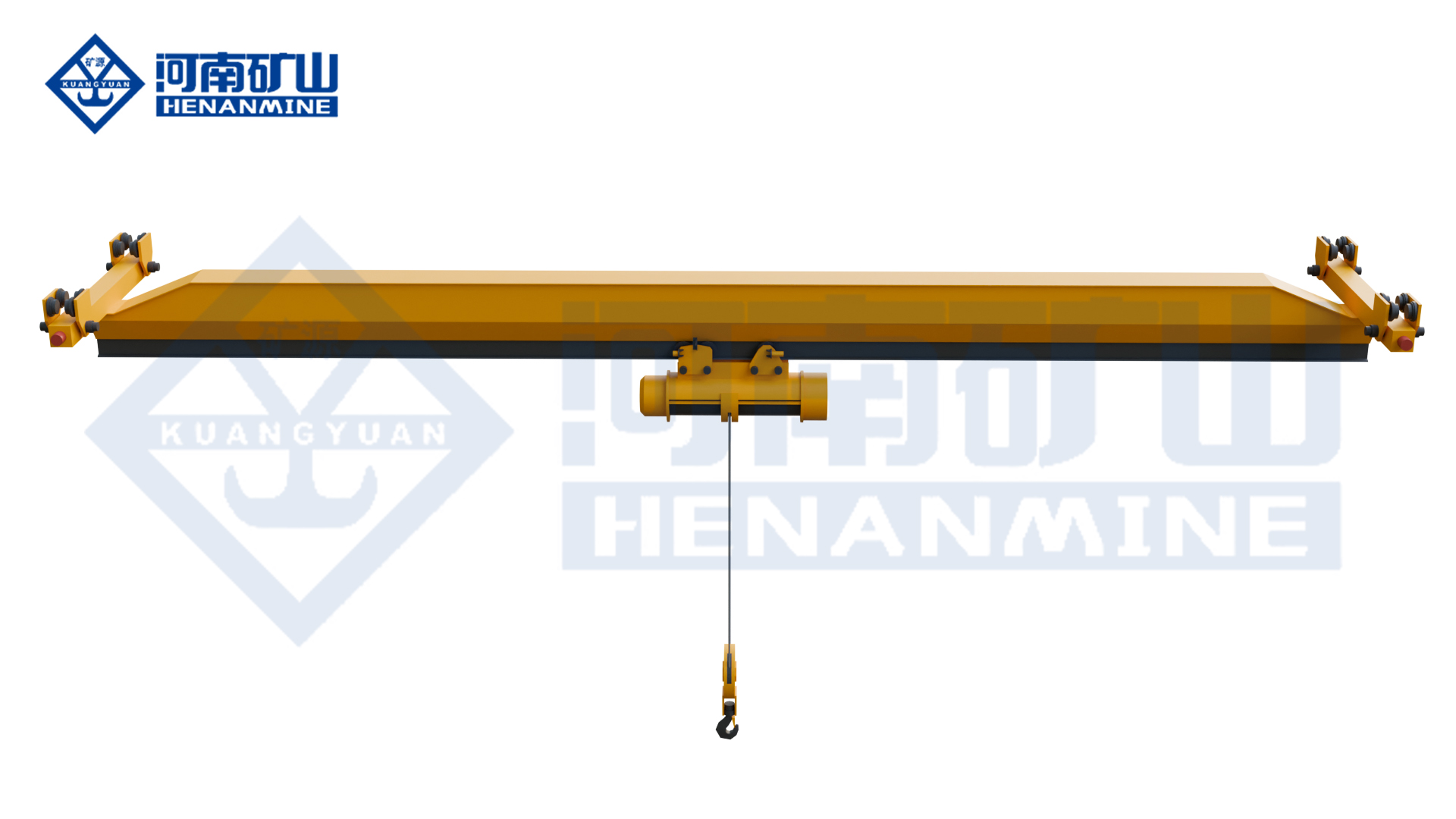
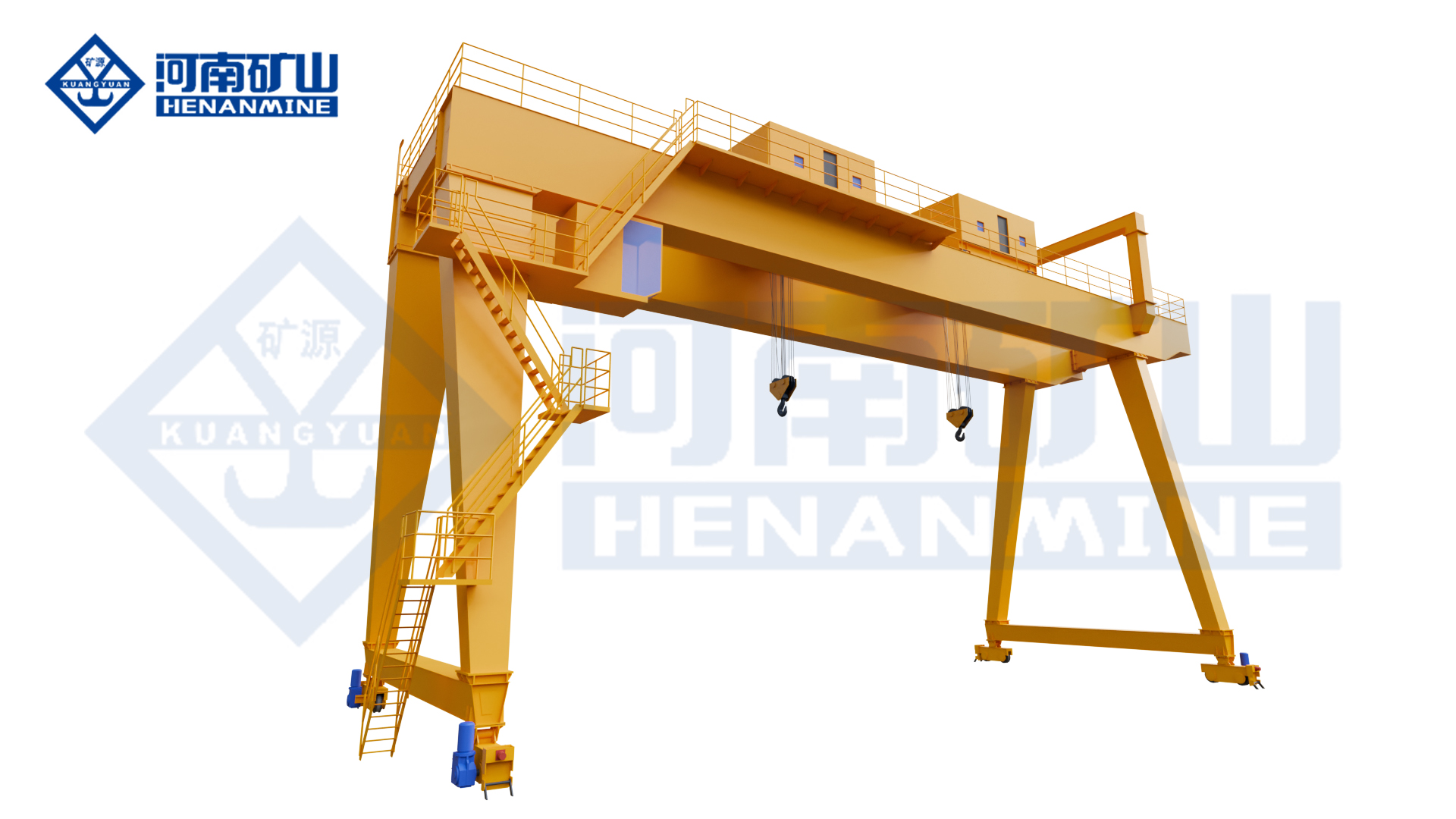
Source image associated with the LX Suspension Crane, showing the crane structure, runway or industrial application.
|
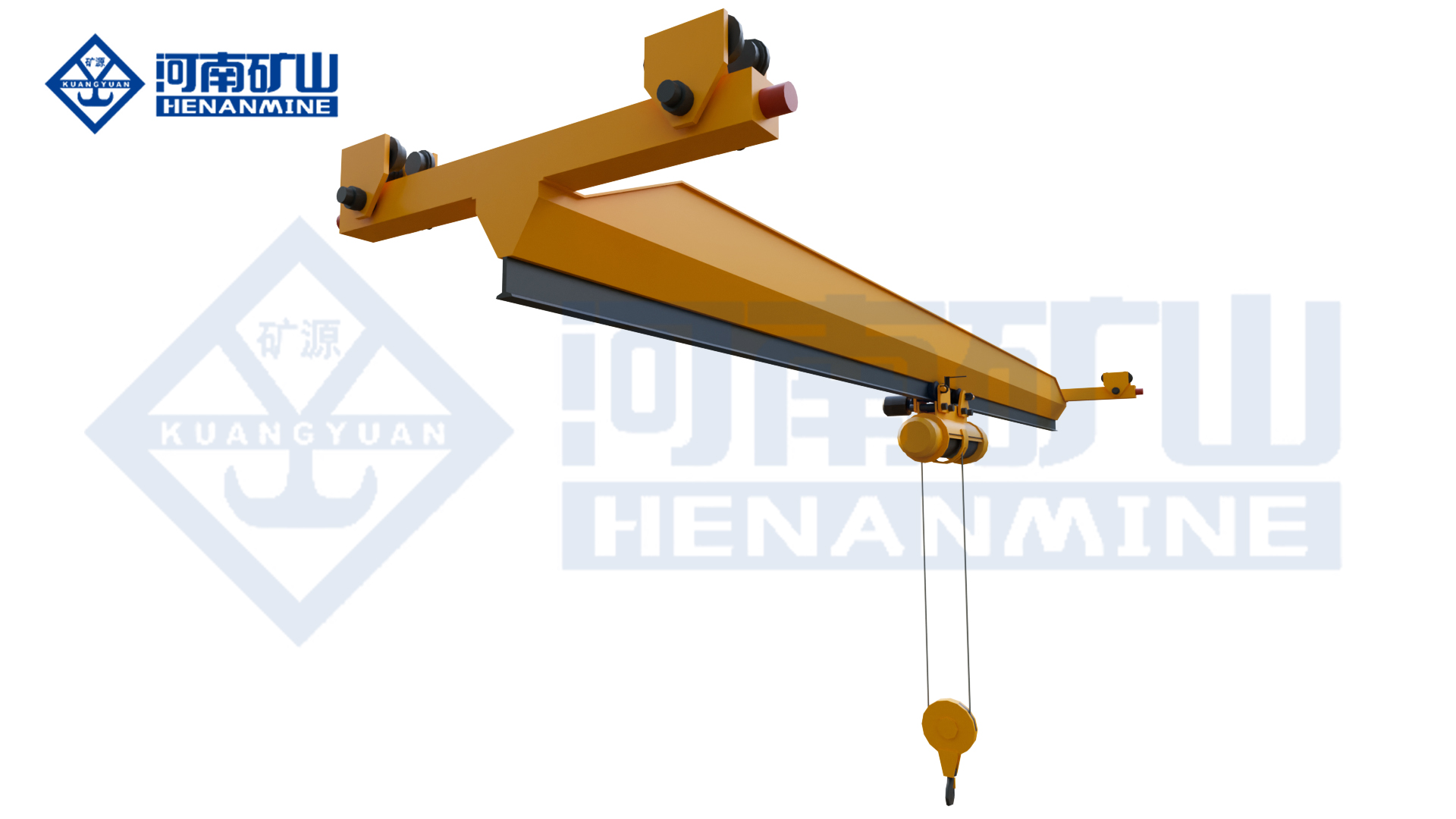
Source image associated with the LX Suspension Crane, showing the crane structure, runway or industrial application.
|
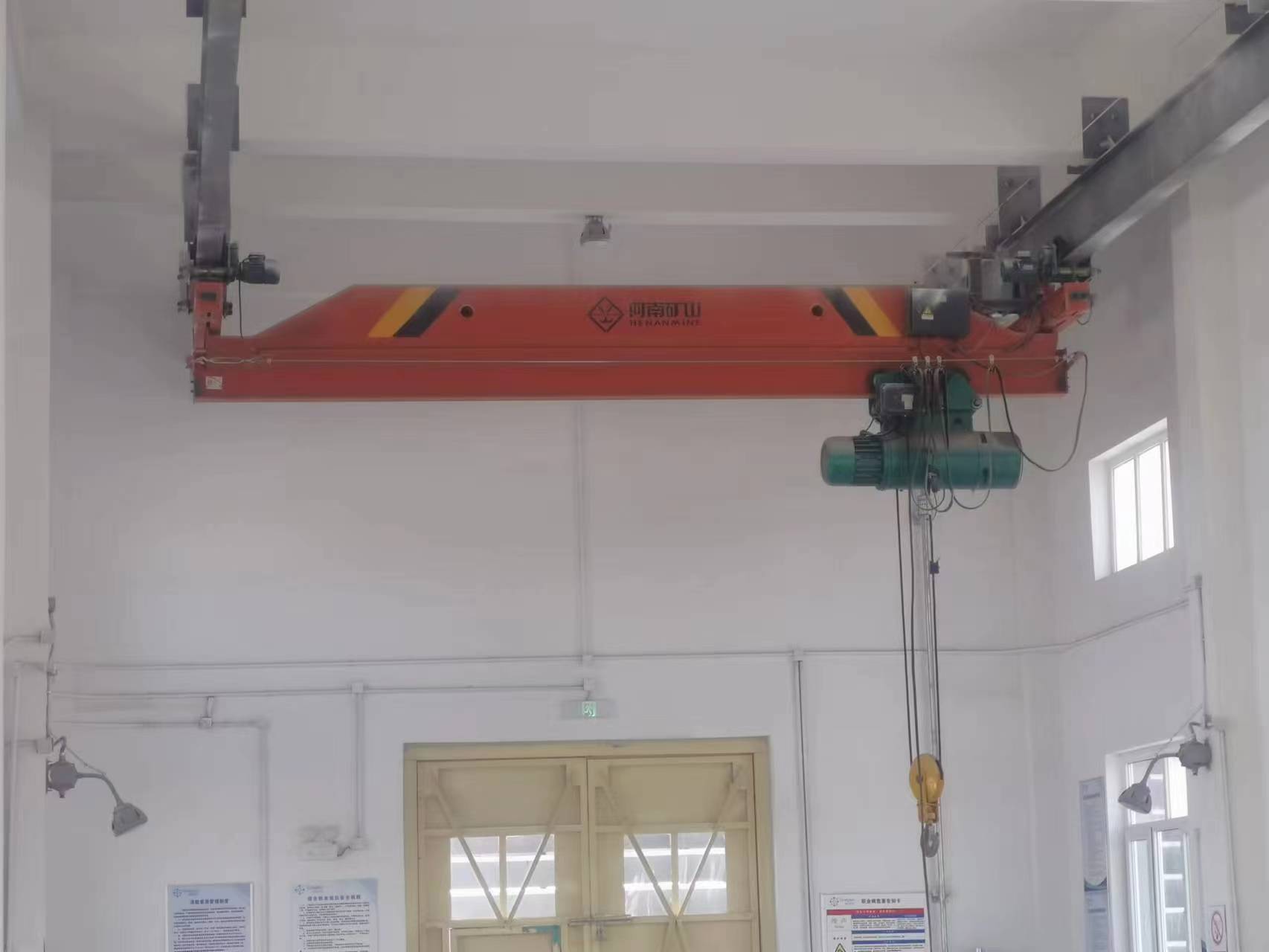
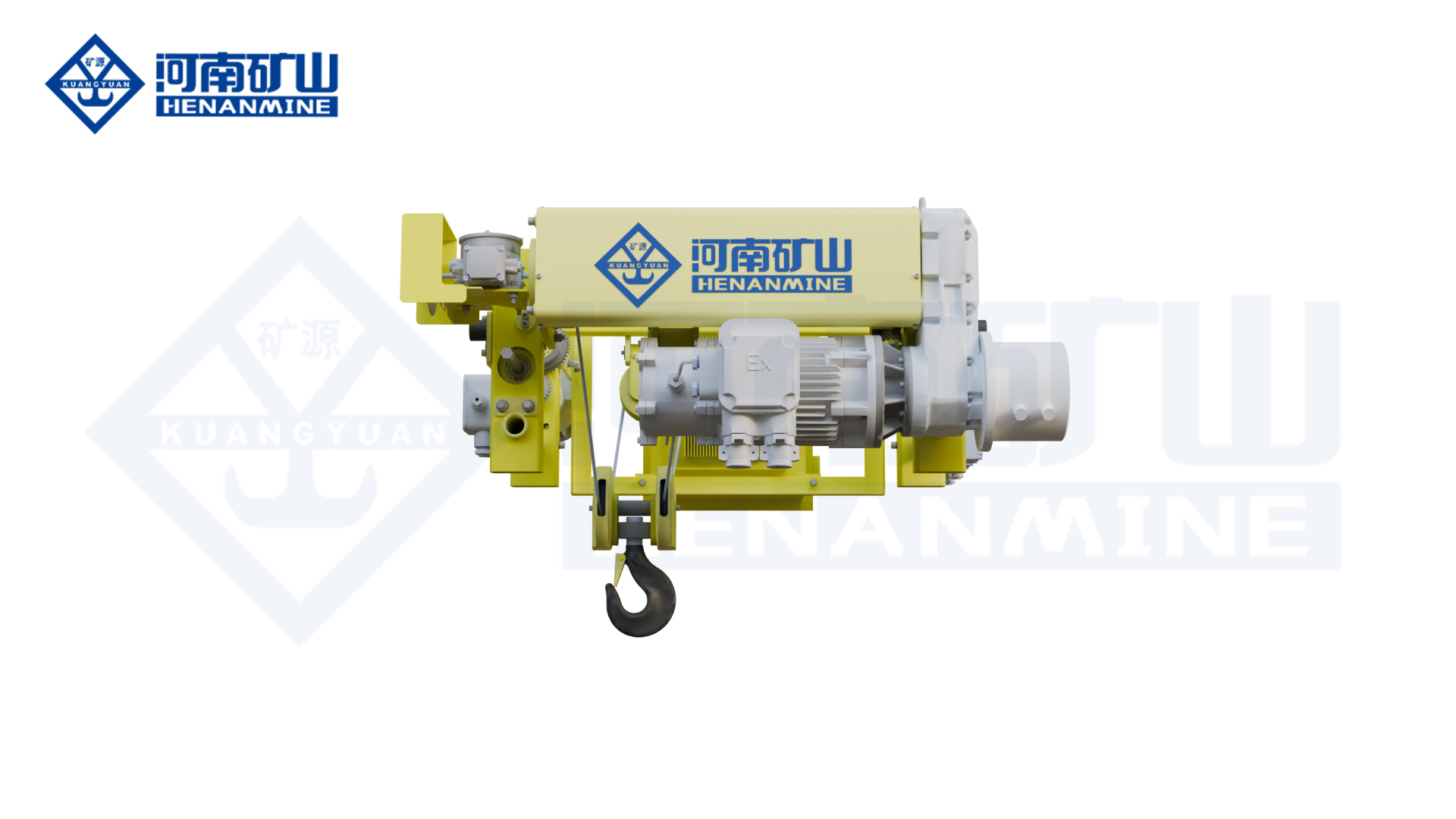
Source image associated with the LX Suspension Crane, showing the crane structure, runway or industrial application.
|
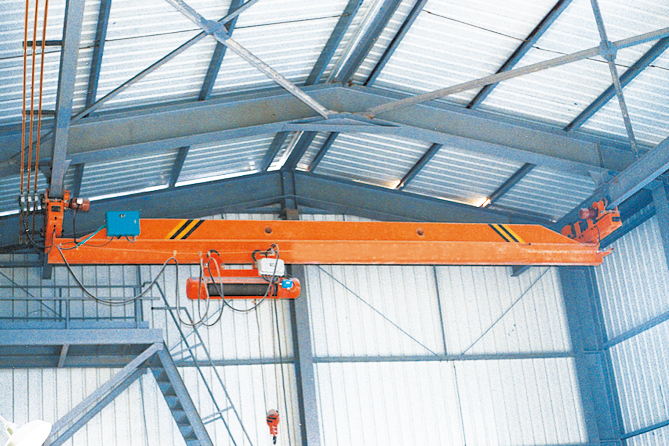
Source image associated with the LX Suspension Crane, showing the crane structure, runway or industrial application.
|
Main Crane Components
| Suspended Runway |
Runway fixed to the building structure and carrying the crane below the roof. |
| Single Main Girder |
Bridge girder spanning between the suspended runway tracks. |
| Electric Hoist |
Provides lifting and transverse travel. |
| Long-Travel Mechanism |
Moves the crane along the suspended runway. |
| Electrical & Control System |
Configured to site power, control preference and operating conditions. |
Technical Parameters
| Model |
LX |
| Product Type |
LX Electric Single Girder Suspension Overhead Crane |
| Lifting Mechanism |
Electric hoist |
| Capacity |
Project-specific |
| Bridge Span / Working Width |
Project-specific |
| Runway Length |
Project-specific |
| Lifting Height |
Project-specific |
| Suspension-Point Spacing |
According to building structure and crane design |
| Hoisting Speed |
Project-specific unless source-stated below |
| Crane Travel Speed |
Project-specific unless source-stated below |
| Control Method |
Project-specific |
| Power Supply |
According to site electrical conditions |
| Building Support Loads |
Calculated from final crane configuration |
Source-Confirmed Features & Buyer-Defined Options
Source-confirmed product facts:
- Runway is fixed directly to the building structure, such as roof trusses or structural supports.
- Electric hoist is used as the lifting mechanism.
- Provides vertical lifting, cross travel and long travel.
- Source highlights very high space utilization because the crane operates below the roof and frees floor space.
- Source states low crane self-weight and lower requirements on the workshop structure.
- Installation is flexible and the system is described as highly expandable for wider workshop coverage.
Buyer-defined items for quotation:
- Capacity and load type
- Required coverage / span and runway length
- Lifting height and hook approach
- Operating frequency and duty
- Control method
- Power supply
- Building support / suspension-point data
- Installation and commissioning scope
Application Scenarios
| Machinery Workshops |
Component, tooling and maintenance lifting while preserving machine-floor layout. |
| Assembly Areas |
Overhead transfer between production stations without floor crane supports. |
| Warehouses |
Material handling where aisles and storage floor must remain unobstructed. |
| Space-Limited Factories |
Facilities where a conventional top-running runway is difficult to install. |
How to Select the Right LX Suspension Crane
1. Verify the Building Structure
Provide roof-truss, support-beam and suspension-point information. The building must be checked for crane vertical and horizontal loads.
2. Define Crane Coverage
Provide the required working area, runway length and bridge span so the suspended track arrangement can be planned.
3. Confirm Hook Height
State roof elevation, runway elevation, equipment height and required highest hook position.
4. Confirm Load and Duty
Provide maximum suspended load, lifts per hour, daily hours and typical load percentage.
5. Check Future Expansion
If the lifting system may be extended later, identify future workshop bays and structural support locations at the quotation stage.
Building & Safety Checks Before Ordering
- Verify roof truss, support beam and suspension-point capacity for crane loads.
- Confirm runway level, building deflection limits and available headroom.
- Confirm rated capacity, hoisting limits, braking and emergency-stop requirements.
- Confirm electrical protection, power supply and operator control method.
- Check interference with ducts, lighting, process piping, conveyors and other overhead equipment.
- Define inspection, installation and acceptance requirements before production.
Installation & Maintenance
Suspension-crane installation should be coordinated with the building structure. Before manufacture or installation, verify support-point locations, runway straightness and level, structural steel capacity, available erection access, electrical supply and any overhead obstructions.
Maintenance should follow the final supplied crane manual and include the hoist, brakes, wheels or travel assemblies, fasteners, suspension connections, runway components, limits and electrical protection. Multi-point systems also require inspection of synchronization and the condition of each support / travel point.
What Information Do We Need for a Quote?
| 1 |
Maximum lifted load including rigging |
| 2 |
Required bridge span |
| 3 |
Runway length / coverage area |
| 4 |
Required lifting height |
| 5 |
Roof and runway elevations |
| 6 |
Roof-truss / support-beam drawings |
| 7 |
Lifts per hour and daily operating hours |
| 8 |
Control method |
| 9 |
Power supply |
| 10 |
Destination and installation scope |
Frequently Asked Questions
What is the difference between a suspension crane and a top-running overhead crane?
A suspension crane runs below a runway supported by the building structure, while a top-running crane normally travels on rails above runway beams. The suspension layout can preserve floor space but requires suitable roof or support structure.
Does an LX crane need floor-mounted crane columns?
The source describes the runway as fixed to the building structure, so the lifting system can avoid dedicated floor-mounted crane columns in the working area.
What building information is required before quotation?
Provide the workshop cross-section, roof-truss or support-beam drawings, suspension-point locations, span and runway length.
Can the layout be expanded later?
The source describes the system as flexible and expandable. Any future extension should be considered together with building support capacity.
Related Suspension Crane Products
| LX Electric Single Girder Suspension Crane |
| LXD Multi-Point Single Girder Suspension Crane |
| LXB Explosion-Proof Single Girder Suspension Crane |
| KSLX New-Type Single Girder Suspension Crane |
| LXB Dust Explosion-Proof Suspension Crane |
| BLXD Explosion-Proof Multi-Point Suspension Crane |
Request A LX Suspension Crane Quote
Send your load, required crane coverage, lifting height, building / roof-support drawings, operating cycle and control requirements. Henan Mine Crane engineers will review the suspended-runway concept, building interfaces and product configuration before preparing a quotation.
Request A Quote | View Overhead Cranes