LHDX Multi-Point Electric Double-Girder Suspension Crane
For aircraft plants and ultra-wide industrial buildings where crane loads must be distributed through multiple suspended tracks while the floor remains unobstructed.

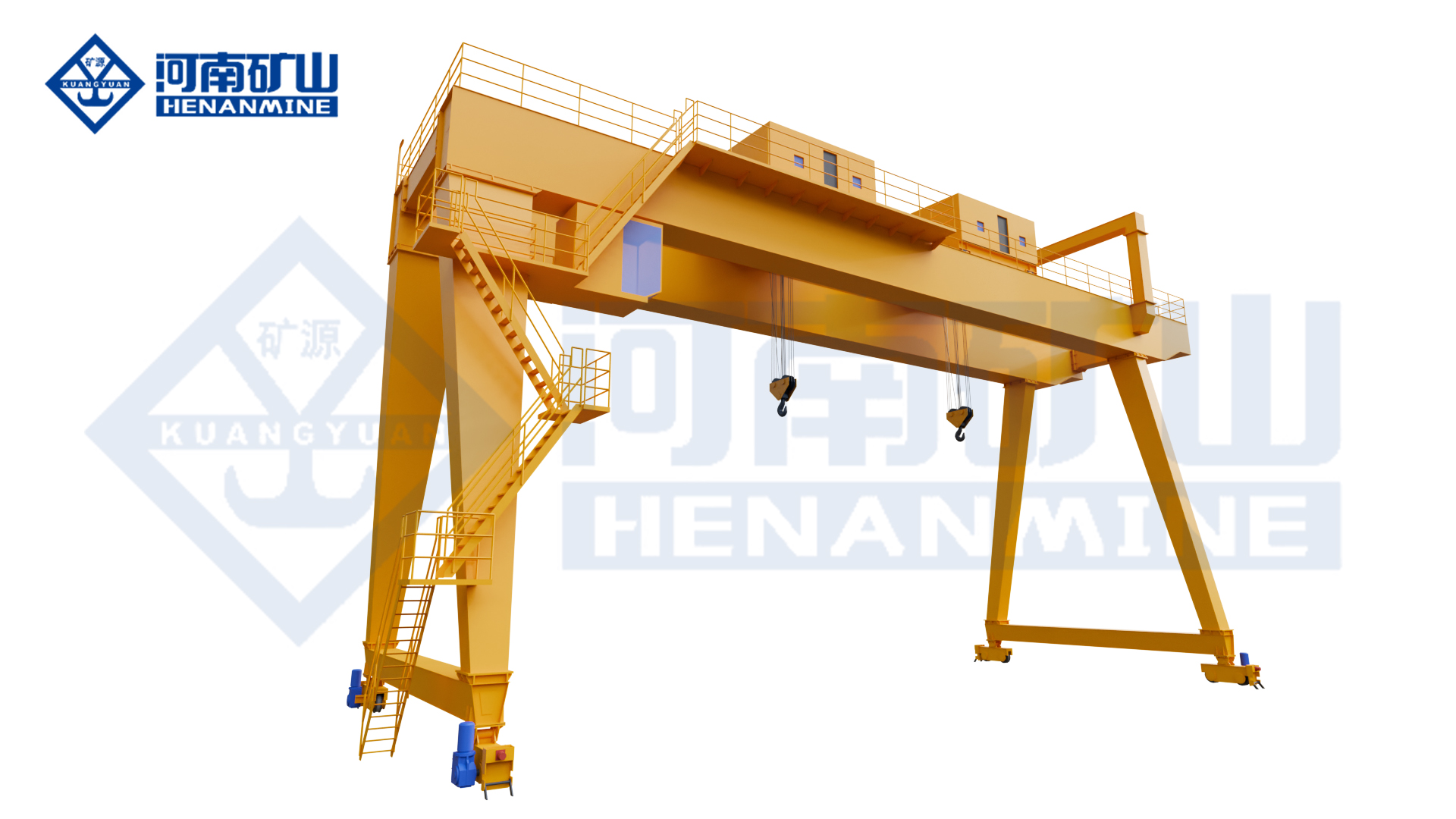
Henan Mine Crane lhdx multi-point suspension crane product image showing the crane and lifting arrangement.
The LHDX multi-point electric double-girder suspension crane is a special-purpose system for ultra-large-span industrial workshops and warehouses. The source specifically cites aircraft manufacturing plants and aircraft maintenance workshops.
The tracks and crane are fully suspended below the roof, leaving the floor unobstructed. Buyers should treat this as a building-integrated lifting system: roof support locations, allowable loads, deflection, required coverage and future layout changes are central RFQ data.
Quick Specifications
| Product Model |
LHDX |
| Type-Test Product Name |
Electric Hoist Bridge Crane |
| Lifting Mechanism |
Project-specific electric-hoist lifting system |
| Lifting Capacity |
Configured according to project requirements |
| Span |
Configured according to runway center distance |
| Lifting Height |
Configured according to workshop / process requirements |
| Working Duty |
Selected from load spectrum and operating frequency |
| Control Method |
Configured according to project requirements |
Best For: For aircraft plants and ultra-wide industrial buildings where crane loads must be distributed through multiple suspended tracks while the floor remains unobstructed.
Request A LHDX Multi-Point Suspension Crane Quote
Product Overview
Special-purpose multi-point / multi-track suspended crane for ultra-large-span workshops or warehouses.
Source cites aircraft manufacturing plants and aircraft maintenance workshops.
Tracks and crane are fully suspended below the roof and the source states the floor is 100% unobstructed.
For a new purchase, any capacity, span, speed, duty or positioning value that is not published on the source page should be confirmed from the actual project rather than assumed from a similar crane.
Why Choose LHDX Multi-Point Suspension Crane?
Ultra-Wide Coverage
Multi-point suspension makes very wide workshop coverage more practical.
Clear Floor Layout
No crane columns in the working area, giving freedom for equipment, lines, storage and personnel flow.
Lower Roof Impact
The source states that the system can reduce the effect of crane equipment on the roof structure.
Potential Building Savings
Lower building height and construction-cost advantages are source-stated project benefits.
Modular Future Modification
The lifting system can be adapted later as plant layout changes.
Product Images
|
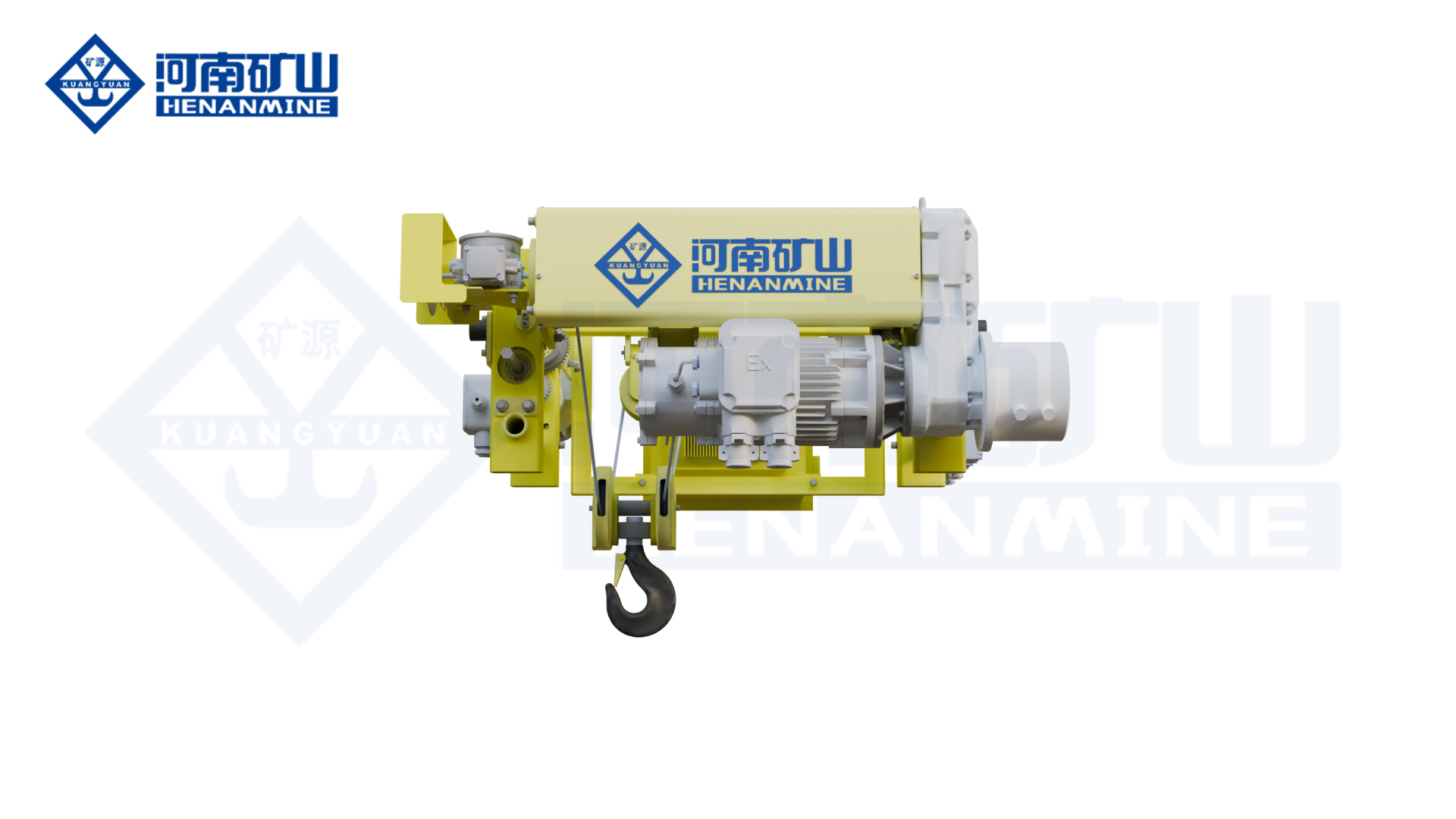
 Source product image showing another view of the LHDX Multi-Point Suspension Crane structure and hoisting system. Source product image showing another view of the LHDX Multi-Point Suspension Crane structure and hoisting system.
|

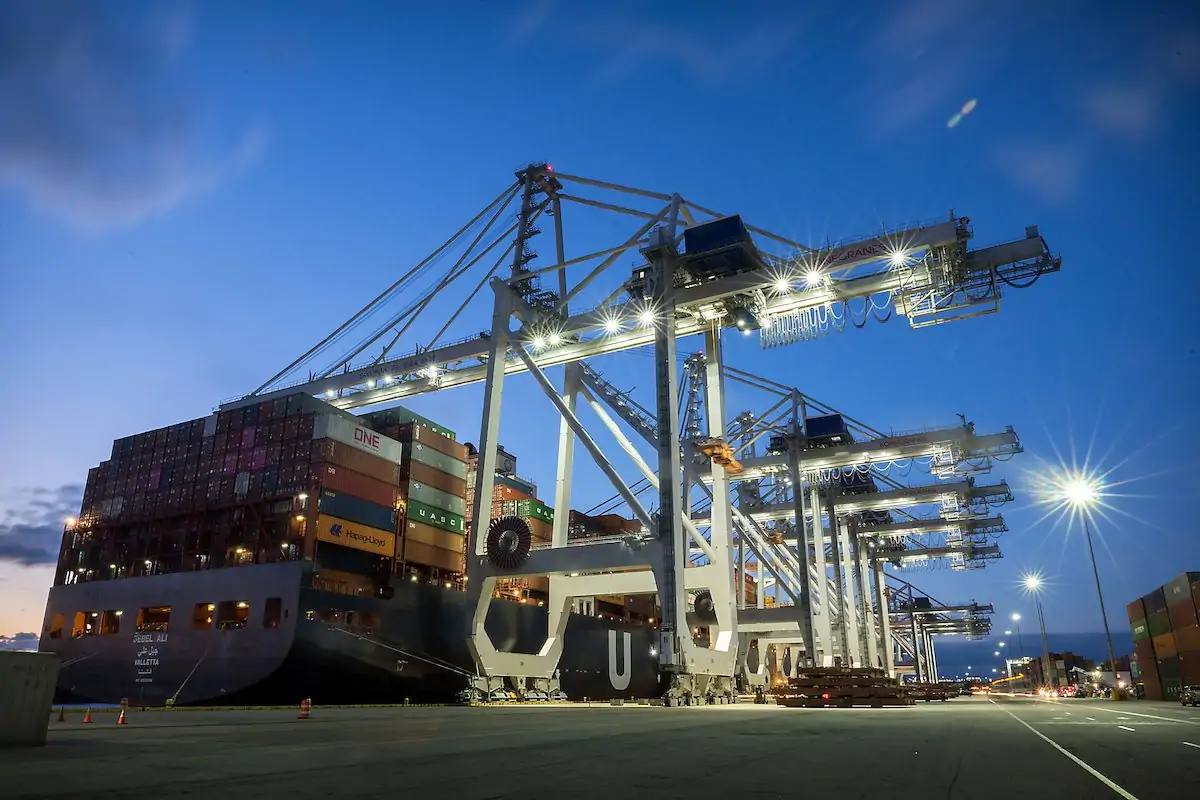
Source product image showing another view of the LHDX Multi-Point Suspension Crane structure and hoisting system.
|

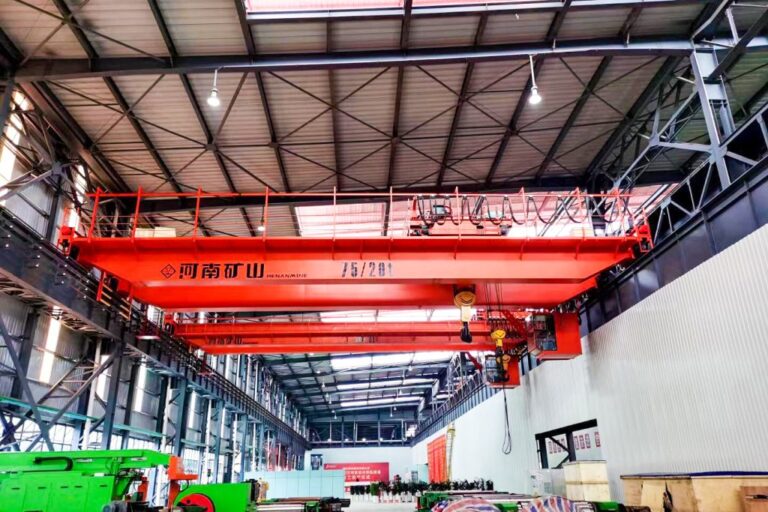
Source gallery image associated with the LHDX Multi-Point Suspension Crane product page, showing an installation or application reference.
|
Main Crane Components
| Multiple Suspended Tracks |
Roof-supported multi-track system. |
| Double-Girder Suspended Bridge |
Bridge structure supported at several points. |
| Electric-Hoist Lifting System |
Configured to load and process requirements. |
| Multi-Point Travel System |
Coordinates movement across several support points. |
| Modular Control System |
Supports project-specific operation and later modification. |
Technical Parameters
| Model |
LHDX |
| Product Type |
LHDX Multi-Point Electric Double-Girder Suspension Crane |
| Type-Test Product Name |
Electric Hoist Bridge Crane |
| Lifting Mechanism |
Project-specific electric-hoist lifting system |
| Capacity |
Project-specific |
| Span |
Project-specific |
| Lifting Height |
Project-specific |
| Hoisting Speed |
Project-specific unless explicitly stated in source |
| Trolley / Crane Travel Speed |
Project-specific |
| Working Duty |
Project-specific |
| Control Method |
Project-specific |
| Power Supply |
According to site electrical conditions |
| Installation / Building Interface |
According to workshop, runway and crane configuration |
Source-Confirmed Features & Buyer-Defined Options
Source-confirmed product facts:
- Special-purpose multi-point / multi-track suspended crane for ultra-large-span workshops or warehouses.
- Source cites aircraft manufacturing plants and aircraft maintenance workshops.
- Tracks and crane are fully suspended below the roof and the source states the floor is 100% unobstructed.
- Source states the system reduces the impact of crane equipment on the workshop roof structure.
- The concept can help reduce building height and construction cost according to the source.
- Modular design allows later modification of the lifting system for new layouts.
Buyer-defined items for quotation:
- Capacity and load type
- Span and lifting height
- Runway length / building layout
- Operating frequency and duty
- Control method
- Required positioning or synchronization
- Safety functions
- Installation and commissioning scope
Application Scenarios
| Aircraft Manufacturing |
Wide-area overhead lifting without floor columns. |
| Aircraft Maintenance |
Hangar coverage around large aircraft. |
| Ultra-Wide Warehouses |
Material handling across very broad buildings. |
| Flexible Production Facilities |
Plants expecting future line or layout changes. |
How to Select the Right LHDX Multi-Point Suspension Crane
1. Provide the Building Structural Grid
Roof-truss and support locations determine feasible suspension points.
2. Define Required Coverage
Provide total width, travel length and hook working zones.
3. Define Allowable Roof Loads
Support loads and deflection requirements must be checked with the building structure.
4. Define Future Layout Plans
Modularity is valuable when expansion or line relocation is expected.
5. Confirm Load, Height and Duty
Complete normal crane data after the building interface is established.
Safety & Control: What Buyers Should Confirm
- Rated-capacity and overload-protection requirements
- Upper/lower hoisting limits and travel limits
- Brake and emergency-stop requirements
- Electrical protection and site power conditions
- Operator control method and visibility
- Anti-collision, warning, synchronization or other project-specific functions where required
- Factory / site acceptance and load-test requirements
Installation & Maintenance
Before manufacture and installation, confirm runway span, rail or runway-beam condition, elevation, straightness, available headroom, electrical supply and erection access. Multi-trolley, suspended or cross-rail systems also require the relevant trolley spacing, support-point or transfer-interface data to be checked before production.
Maintenance should follow the final supplied crane manual and include the hoists, brakes, ropes, hooks / attachments, wheels, drives, fasteners, limits and electrical protection. Synchronized and multi-trolley systems should also include periodic verification of encoders, control logic and relative lifting position where applicable.
What Information Do We Need for a Quote?
| 1 |
Maximum load |
| 2 |
Required working width |
| 3 |
Runway / travel length |
| 4 |
Roof support locations |
| 5 |
Allowable support loads |
| 6 |
Roof / building steel drawings |
| 7 |
Lifting height |
| 8 |
Operating frequency |
| 9 |
Control method |
| 10 |
Future expansion requirements |
| 11 |
Power supply |
| 12 |
Destination and installation scope |
Frequently Asked Questions
Why use multiple suspension tracks?
They distribute the crane through several roof supports and make ultra-wide lifting coverage more practical.
Does the crane keep the floor clear?
Yes. The source states that the tracks and crane are fully suspended and the floor is 100% unobstructed.
Can the system be changed later?
Yes. The source highlights modular design for later modification to a new layout.
What drawing is most important for quotation?
The building structural grid and roof-support drawing are essential.
Related Electric Hoist Bridge Cranes
LHE Double-Trolley Electric Hoist Bridge Crane
LH Electric Hoist Bridge Crane
LHY Metallurgical Electric Hoist Bridge Crane
LHEA Double-Trolley Electric Hoist Bridge Crane
KSSLS Three-Trolley New-Type Electric Hoist Bridge Crane
KSX Cross-Rail Transfer Crane
KSSL New-Type Electric Hoist Bridge Crane
KSSLE New-Type Double-Trolley Electric Hoist Bridge Crane
Request A LHDX Multi-Point Suspension Crane Quote
Send your lifting load, span, lifting height, runway length, workshop drawing, operating cycle and any special lifting, synchronization, positioning or safety requirements. Henan Mine Crane engineers will review the application and prepare a project-specific crane configuration and quotation.
Request A Quote | View Overhead Cranes