LDY Metallurgical Electric Single Girder Overhead Crane
A cost-conscious single-girder crane for metallurgical workshops that require a metallurgical electric hoist and molten-metal handling capability.

Henan Mine Crane LDY metallurgical electric single-girder overhead crane designed for metallurgical lifting applications including molten-metal handling.
The LDY metallurgical electric single-girder overhead crane is an upgraded version of a standard electric single-girder crane. Its lifting mechanism is a metallurgical electric hoist, and the crane provides vertical lifting, cross travel and long travel for three-direction material handling.
For buyers who need to handle molten metal but do not automatically require a heavier double-girder layout, the LDY concept can offer a lower initial procurement cost, simpler installation and lower routine maintenance demand. Final selection must still be based on capacity, span, lifting height, duty, temperature exposure and the safety requirements of the specific metallurgical process.
Quick Specifications
| Product Model |
LDY |
| Type-Test Product Name |
Electric Single Girder Crane |
| Lifting Mechanism |
Metallurgical electric hoist |
| Main Application |
Metallurgical handling, including molten-metal lifting |
| Lifting Capacity |
Configured according to project requirements |
| Span |
Configured according to runway center distance and project requirements |
| Lifting Height |
Configured according to workshop and process requirements |
| Working Duty |
To be selected from actual lifting frequency, load spectrum and process duty |
| Control Method |
Configured according to project requirements |
Best For:
metallurgical and foundry workshops where molten-metal handling is required, the project can be satisfied by a single-girder layout, and the buyer wants to control initial investment, installation complexity and routine maintenance cost.
Request An LDY Crane Quote
Product Overview
The LDY crane is based on the electric single-girder overhead-crane concept but is modified for metallurgical service. Instead of a general-purpose electric hoist, it uses a metallurgical electric hoist as the lifting mechanism.
The crane covers the workshop through three basic motions: hoisting moves the load vertically, the hoist travels across the single girder, and the complete bridge travels along the runway. This arrangement gives buyers full three-dimensional handling coverage while keeping the bridge structure simpler than a conventional heavy double-girder metallurgical crane.
The source product page specifically identifies molten-metal lifting as a core application and describes the LDY crane as using redundant design to increase safety margin. Because molten-metal service is safety-critical, the exact redundant and protective configuration should be written into the project technical agreement instead of assumed from the model name alone.
Why Choose an LDY Metallurgical Single Girder Crane?
- Designed for metallurgical duty: the source product is specifically intended for metallurgical applications and molten-metal lifting.
- Lower investment than a double-girder alternative: the source states that procurement cost is lower than a double-girder crane.
- Simpler installation: the single-girder arrangement can reduce erection complexity when it is suitable for the required capacity and duty.
- Lower routine maintenance burden: the source highlights periodic motor inspection and lubrication of transmission components as routine maintenance items.
- Redundant safety concept: the source explicitly states that redundant design is used to improve the safety factor.
Key Technical Features
Metallurgical Electric Hoist
The metallurgical electric hoist is the defining lifting mechanism of the LDY crane. It allows the single-girder crane architecture to be adapted from general material handling to metallurgical service, including molten-metal lifting.
Redundant Design for Safety-Critical Handling
The source page identifies redundant design as a core feature. For procurement, buyers should convert this general requirement into a detailed safety schedule covering hoisting brakes, upper limits, overload protection, thermal protection, electrical protection and other functions required by the project specification.
Three-Direction Material Movement
The crane provides vertical hoisting, cross travel and long travel, allowing the load to move through the working bay without floor-based handling equipment.
Lower-Cost Single-Girder Architecture
Where the required capacity, span, duty and safety specification can be satisfied by a single-girder structure, the LDY concept can reduce initial procurement cost compared with a heavier double-girder crane.
Simplified Installation and Maintenance
The source highlights simple installation and lower comprehensive use cost. Routine maintenance should include inspection of the motor and hoisting system together with lubrication and condition checks of transmission components according to the maintenance plan.
Product Images

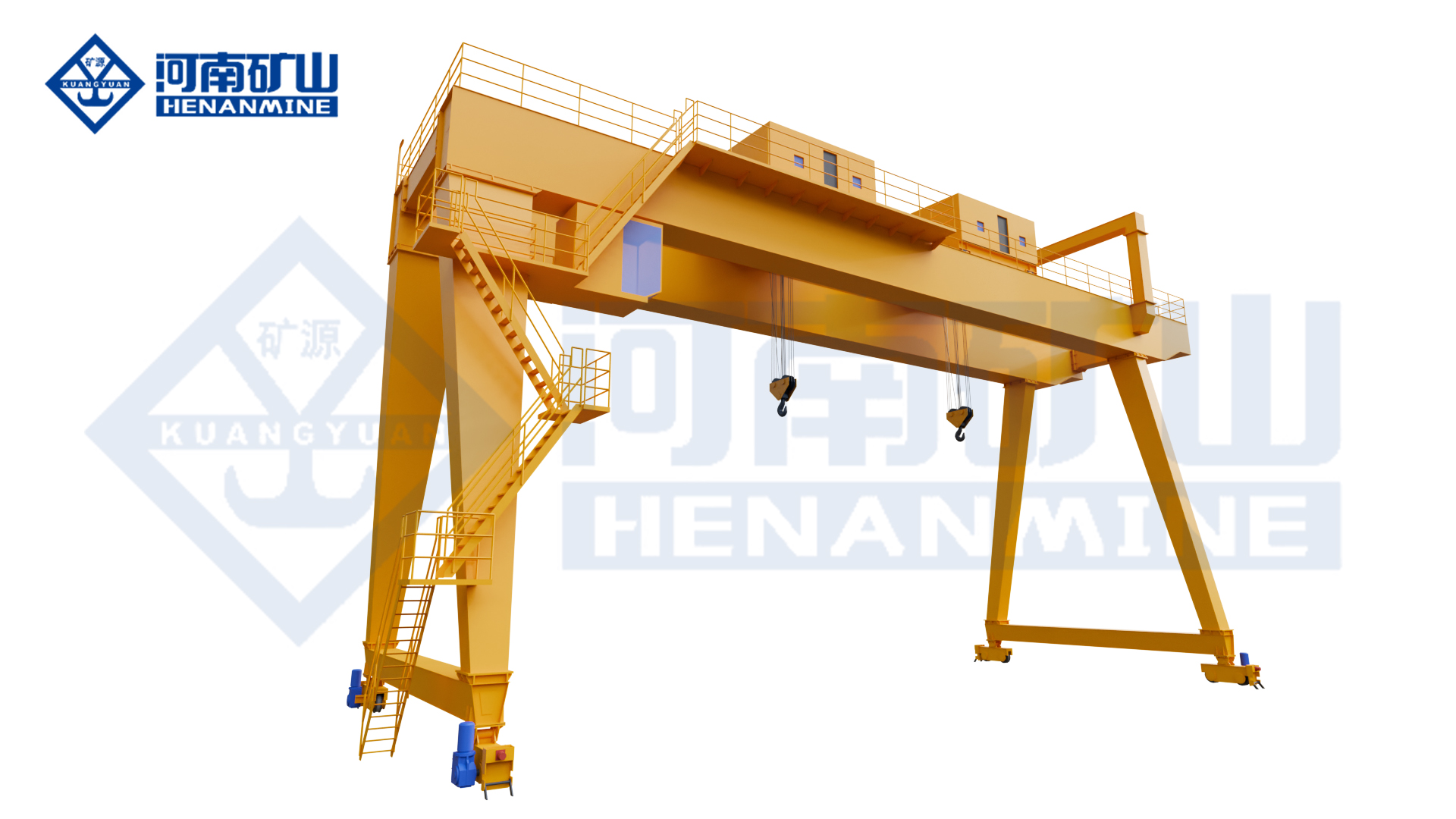
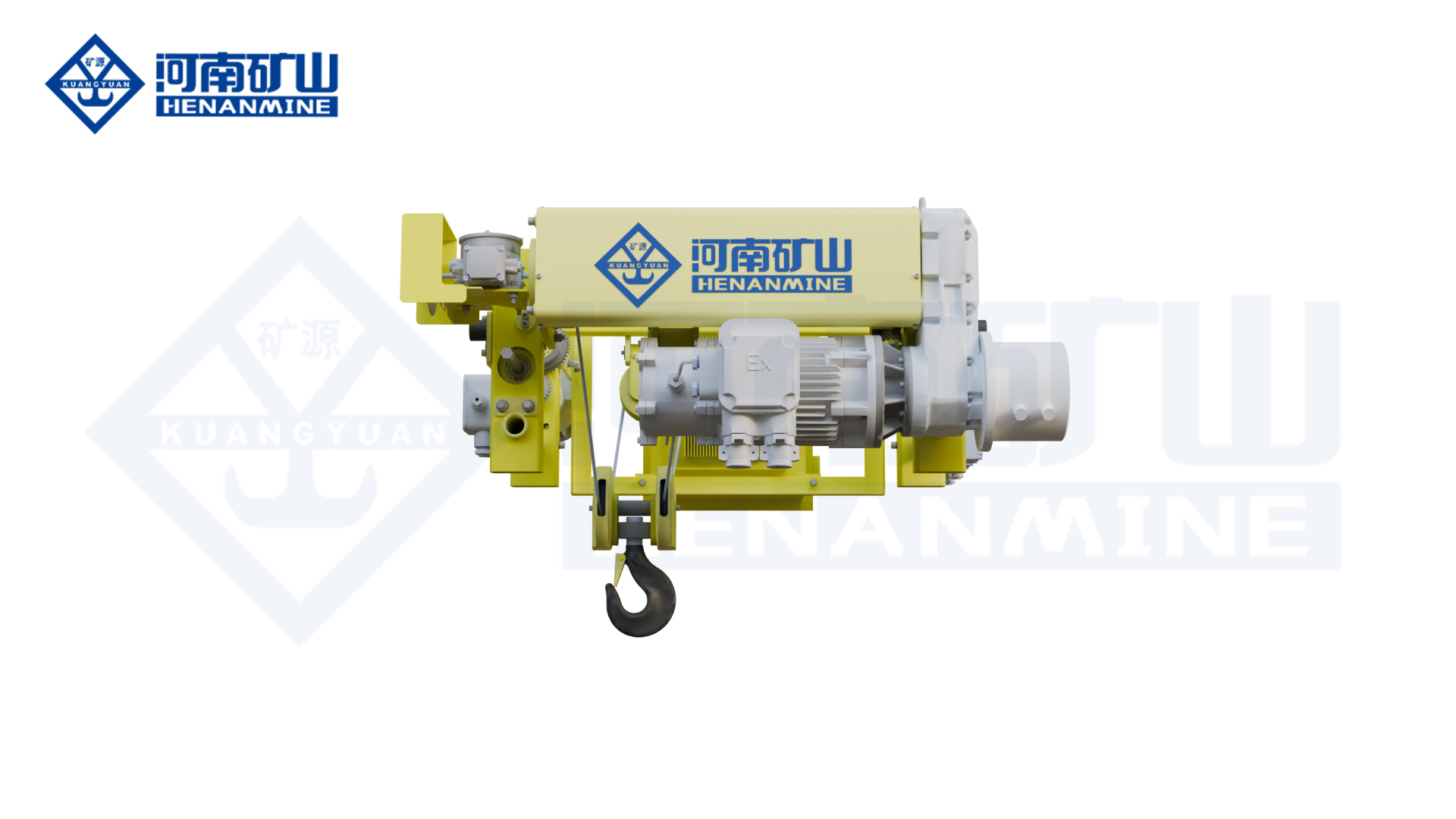
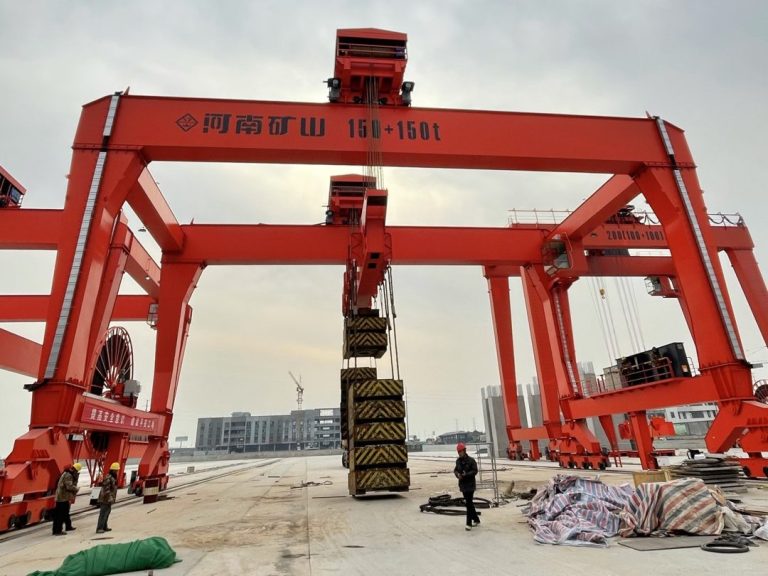
Product view of a single-girder metallurgical crane using a metallurgical electric hoist as the lifting mechanism.
|

LDY single-girder overhead crane for metallurgical workshops where a specialized electric hoist is required for molten-metal lifting.
|
Main Crane Components
| Single-Girder Bridge |
Main load-bearing bridge spanning the workshop runway. |
| Metallurgical Electric Hoist |
Specialized lifting mechanism used for metallurgical service and molten-metal handling. |
| Cross-Travel System |
Moves the hoist across the bridge to position the load across the bay. |
| Long-Travel System |
Moves the complete crane along the runway to cover the workshop length. |
| Electrical & Control System |
Project-specific controls, power supply and protection functions selected from the operating environment and buyer specification. |
| Safety / Redundant Functions |
To be confirmed in the technical agreement for the molten-metal lifting duty and applicable project requirements. |
Technical Parameters
| Model |
LDY |
| Product Type |
Metallurgical electric single-girder overhead crane |
| Type-Test Product Name |
Electric single girder crane |
| Lifting Mechanism |
Metallurgical electric hoist |
| Handled Load |
Metallurgical materials including molten metal, subject to project safety requirements |
| Capacity |
Project-specific |
| Span |
Project-specific |
| Lifting Height |
Project-specific |
| Working Duty |
Select according to load spectrum and operating frequency |
| Hoisting Speed |
Project-specific |
| Travel Speeds |
Project-specific |
| Control Method |
Project-specific |
| Power Supply |
According to site electrical conditions |
| Ambient / Radiant Heat |
Must be confirmed from the metallurgical process and installation position |
Standard Basis & Optional Configuration
Source-confirmed product basis:
- LDY metallurgical electric single-girder crane.
- Metallurgical electric hoist as the lifting mechanism.
- Vertical lifting, cross travel and long travel.
- Designed for metallurgical applications including molten-metal handling.
- Redundant design concept.
Items buyers should define in the RFQ / technical agreement:
- Control method: pendant, radio remote, cabin or another approved arrangement.
- Hoisting and travel speed control according to positioning and production requirements.
- Required brake redundancy and emergency braking philosophy.
- Overload protection and upper / lower limit strategy.
- Heat shielding, heat-resistant cable, rope and motor requirements based on measured thermal exposure.
- Load monitoring, warning, anti-collision or other plant-specific safety functions.
Application Scenarios
| Metallurgical Workshops |
Single-girder metallurgical handling where the required capacity and duty can be satisfied by the LDY configuration. |
| Molten-Metal Handling |
Lifting tasks involving molten metal when the project technical and safety requirements permit this crane type. |
| Foundry Production |
Material movement around casting and foundry processes where specialized metallurgical hoisting is required. |
| Cost-Sensitive Metallurgical Upgrades |
Projects seeking a lower-cost alternative to a double-girder crane when engineering checks confirm the single-girder layout is suitable. |
How to Select the Right LDY Crane
1. Confirm the Maximum Lifted Load
Use the total suspended load, not only the molten-metal or process-material weight. Include the container, ladle or vessel, hook or attachment, rigging and any lifting beam that remains suspended during the lift.
2. Confirm the Crane Span
Provide the crane runway center-to-center distance or the workshop / runway drawing. Do not use the building clear width as a substitute for crane span.
3. Confirm the Required Lifting Height
Measure from the lowest required pickup point to the highest required hook position and include the height of the lifted container, rigging and any pit or platform level.
4. Define Working Duty and Production Cycle
Provide lifts per hour, daily operating hours, typical load percentage, maximum-load frequency and the role of the crane in the production process. Molten-metal service should not be selected only from rated tonnage.
5. Define Temperature and Thermal Exposure
State workshop ambient temperature and, more importantly, the crane's distance from furnaces or molten-metal sources and expected radiant-heat exposure. These conditions influence the hoist, cable, rope, motor and protection design.
6. Define the Required Safety Architecture
Because the load may be molten metal, specify the required brake redundancy, upper-limit redundancy, overload protection, heat protection, emergency functions and inspection / acceptance requirements in the purchase specification.
Single Girder or Double Girder for Metallurgical Duty?
| Buyer Question |
LDY Single Girder |
Consider Double Girder |
| Initial Investment |
Source states lower procurement cost than double girder. |
Higher structure and mechanism cost may be justified by heavier or more demanding duty. |
| Installation |
Source highlights simpler installation. |
May require heavier runway / erection planning depending on configuration. |
| Capacity / Duty |
Suitable only when engineering calculations and safety requirements can be satisfied. |
Often evaluated when capacity, duty, span, hook arrangement or redundancy becomes more demanding. |
| Selection Rule |
Do not choose by price alone. The final crane type must be selected from the molten-metal load, process risk, duty, geometry and applicable technical / safety requirements. |
Safety & Control System: What Buyers Should Confirm
- Redundant design: explicitly stated on the LDY source page; the exact redundant components should be written into the purchase specification.
- Hoisting brake strategy: confirm normal and emergency / secondary braking requirements for molten-metal lifting.
- Limit protection: define required upper and lower limits and whether redundant upper limiting is required.
- Overload protection: specify alarm and power-cut logic according to the project standard.
- Thermal protection: confirm shielding and heat-resistant components from actual radiant-heat exposure.
- Control position: select the control method after reviewing operator visibility, safe access and process risk.
Important procurement note:
Henan Mine Crane's related metallurgical electric-hoist bridge-crane page lists protections such as double brakes, overload protection and double upper limits for that product. The LDY source page itself does not itemize those devices, so they should be confirmed explicitly rather than assumed to be standard on every LDY configuration.
Installation & Maintenance
The source page identifies simple installation as one of the LDY crane's advantages. Before installation, the buyer should confirm runway span, rail elevation, runway straightness, power supply, installation access and the safe lifting plan for the bridge and hoist.
For maintenance, the source specifically mentions regular motor inspection and lubrication of transmission components. A complete maintenance plan should also define inspection intervals for the hoisting mechanism, brakes, rope, hook or attachment, limits, electrical protection, wheels, fasteners and any heat-protection components required by the project.
What Information Do We Need for a Quote?
| 1 |
Maximum lifted load, including vessel / ladle / attachment / rigging |
| 2 |
Crane span or runway center distance |
| 3 |
Required lifting height and any pit / platform level |
| 4 |
Runway length and workshop drawing |
| 5 |
Description of the molten-metal / metallurgical load and lifting container |
| 6 |
Lifts per hour, daily operating hours and maximum-load frequency |
| 7 |
Ambient temperature and radiant-heat conditions |
| 8 |
Required control method and power supply |
| 9 |
Required safety standard / project specification and acceptance requirements |
| 10 |
Destination country and installation / commissioning scope |
Frequently Asked Questions
What is an LDY metallurgical electric single girder crane?
It is a single-girder overhead crane developed from the electric single-girder crane concept and fitted with a metallurgical electric hoist. The source product page identifies LDY as the type specification and states that it can be used to lift molten metal.
Can the LDY crane lift molten metal?
Yes. Molten-metal lifting is explicitly listed as a core application on the source product page. However, the crane configuration and safety protections must be selected from the actual molten-metal load, process and applicable project requirements.
Is a single-girder metallurgical crane cheaper than a double-girder crane?
The source page states that the LDY crane's procurement cost is lower than a double-girder crane. The final project cost still depends on capacity, span, lifting height, duty, safety configuration, controls and installation scope.
When should I consider a double-girder metallurgical crane instead?
Consider a double-girder solution when the required load, duty, span, hook arrangement, headroom, redundancy or project safety specification cannot be satisfied efficiently by the single-girder LDY concept. Final selection should be based on engineering calculations rather than price alone.
What safety features should I specify for molten-metal lifting?
Start with the project's governing safety requirements and define the required brake redundancy, limit redundancy, overload protection, thermal protection, emergency functions and acceptance tests. Do not assume every protection is standard unless it is listed in the technical agreement.
What maintenance does the LDY crane require?
The source page specifically highlights regular motor inspection and lubrication of transmission components. A complete maintenance program should also cover the hoist, brakes, rope, hook, limits, wheels, electrical protection and any heat-protection equipment.
Can the lifting capacity, span and lifting height be customized?
These project parameters are not specified on the source page, so they should be confirmed during quotation from the workshop, runway, load and operating requirements.
Related Products
| Electric Single Girder Overhead Crane |
For general non-metallurgical workshop lifting. |
| Metallurgical Electric Hoist Bridge Crane |
A double-girder electric-hoist metallurgical alternative for more demanding layouts or duties. |
| Metallurgical Overhead Crane |
For heavier or more specialized metallurgical lifting requirements. |
Request An LDY Metallurgical Crane Quote
Send your lifting capacity, span, lifting height, workshop drawing, molten-metal or metallurgical load information, working environment, operating frequency and required safety specification. Henan Mine Crane engineers will evaluate whether the LDY single-girder concept is suitable and prepare a project-specific crane configuration and quotation.
Request A Quote
|
View Overhead Cranes