LB Explosion-Proof Electric Single Girder Overhead Crane
Hazardous industrial areas where the buyer needs a compact single-girder crane and the required explosion-protection specification can be met by an LB configuration.

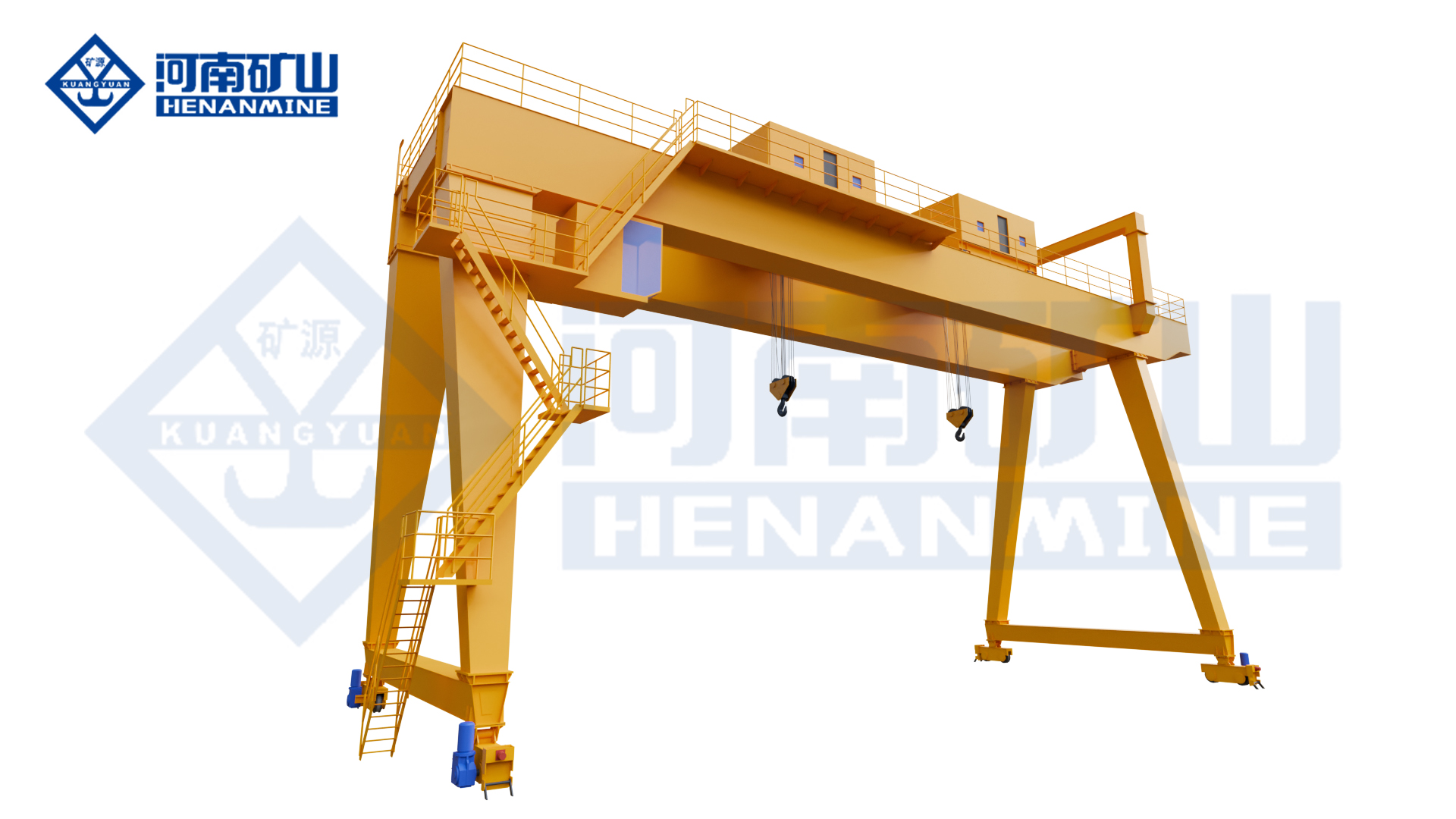
Henan Mine Crane lb explosion-proof single girder crane product image showing the crane structure and lifting arrangement.
Explosion-proof crane procurement starts with the hazardous-area classification, not with crane tonnage. The LB is relevant when the plant needs a compact single-girder crane with an explosion-proof electric hoist and the project falls within the gas, dust or coal-safety protection scope supported by the selected configuration.
Do not order an explosion-proof crane by the words 'explosion proof' alone. The buyer should provide the hazardous medium, area classification, gas or dust group where applicable, temperature class, ambient conditions and governing standard so the correct electrical and mechanical protection can be selected.
Quick Specifications
| Product Model |
LB |
| Type-Test Product Name |
Explosion-Proof Beam Crane |
| Lifting Mechanism |
Explosion-proof electric hoist |
| Lifting Capacity |
Configured according to project requirements |
| Span |
Configured according to runway center distance |
| Lifting Height |
Configured according to workshop requirements |
| Working Duty |
Source-defined where stated; otherwise project-specific |
| Control Method |
Configured according to project requirements |
Best For: Hazardous industrial areas where the buyer needs a compact single-girder crane and the required explosion-protection specification can be met by an LB configuration.
Request A LB Explosion-Proof Single Girder Crane Quote
Product Overview
The LB explosion-proof beam crane uses an explosion-proof electric hoist as the lifting mechanism.
It is designed to load, unload and move materials and equipment in explosive environments.
The load handling device can be a hook or another specialized lifting attachment.
For a new procurement project, the final configuration should be selected from the actual suspended load, span, lifting height, runway condition, operating cycle, working environment and applicable project requirements. Parameters not published on the source page are therefore treated as project-specific rather than guessed.
Why Choose LB Explosion-Proof Single Girder Crane?
Hazardous-Area Lifting
The product is specifically designed for lifting in explosive environments.
Explosion-Proof Electric Hoist
The hoisting mechanism is an explosion-proof electric hoist rather than a general-purpose hoist.
Multiple Protection Scenarios
The source states gas, dust and coal-safety explosion-proof requirements can be addressed.
Compact, Lightweight Structure
Lower crane self-weight can reduce the demand on runway beams and building structure.
Economical Single-Girder Architecture
The source positions the simplified structure as a lower-manufacturing-cost option.
Product Images

Henan Mine Crane lb explosion-proof single girder crane product image showing the crane structure and lifting arrangement.
|

Henan Mine Crane lb explosion-proof single girder crane product image showing the crane structure and lifting arrangement.
|

Source gallery image associated with the LB Explosion-Proof Single Girder Crane product page, showing the crane or an industrial application reference.
|

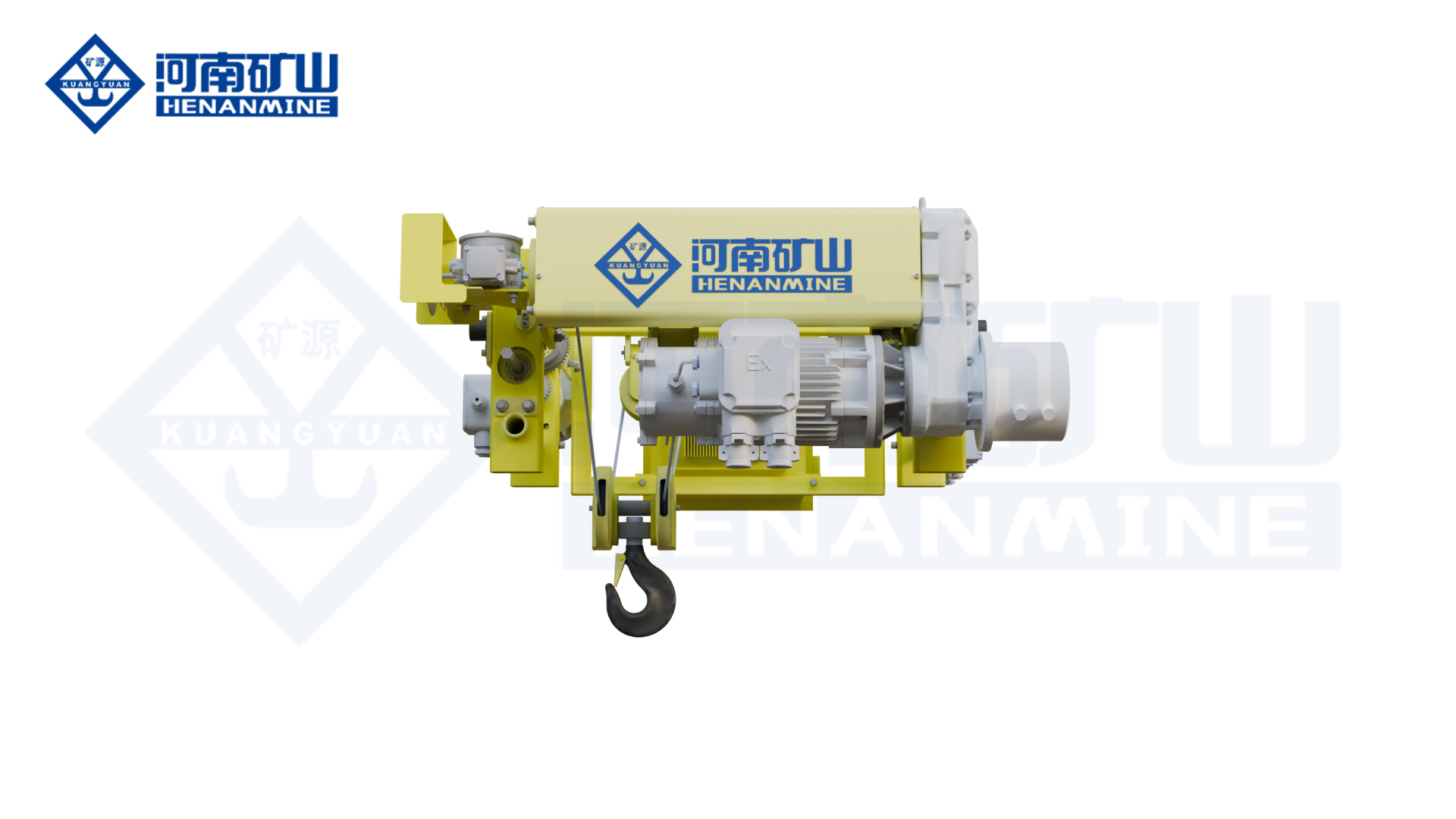
Source gallery image associated with the LB Explosion-Proof Single Girder Crane product page, showing the crane or an industrial application reference.
|

Source gallery image associated with the LB Explosion-Proof Single Girder Crane product page, showing the crane or an industrial application reference.
|
Source gallery image associated with the LB Explosion-Proof Single Girder Crane product page, showing the crane or an industrial application reference.
|
Main Crane Components
| Single-Girder Bridge |
Compact bridge structure selected for the required span and runway. |
| Explosion-Proof Electric Hoist |
Primary lifting mechanism selected to match the hazardous-area specification. |
| Hook / Specialized Attachment |
The source allows a hook or other specialized lifting device according to the material. |
| Long-Travel Drives |
Configured with explosion-protection requirements appropriate to the project. |
| Electrical / Protection System |
Must be selected from the actual hazardous classification and applicable standard. |
Technical Parameters
| Model |
LB |
| Product Type |
LB Explosion-Proof Electric Single Girder Overhead Crane |
| Lifting Mechanism |
Explosion-proof electric hoist |
| Capacity |
Project-specific |
| Span |
Project-specific |
| Lifting Height |
Project-specific |
| Explosion Protection |
Select from approved hazardous-area requirements |
| Hoisting Speed |
Project-specific |
| Travel Speed |
Project-specific |
| Control Method |
Project-specific |
| Power Supply |
According to site electrical conditions |
| Working Environment |
Confirm from actual project conditions |
Source-Confirmed Features & Project Options
Source-confirmed product facts:
- The LB explosion-proof beam crane uses an explosion-proof electric hoist as the lifting mechanism.
- It is designed to load, unload and move materials and equipment in explosive environments.
- The load handling device can be a hook or another specialized lifting attachment.
- The structure is compact and lightweight, reducing load on the workshop supporting structure.
- The simplified structure lowers manufacturing cost and is positioned as an economical solution.
- The source states that configurations can meet gas, dust and coal-safety explosion-proof requirements.
Buyer-defined items for quotation:
- Capacity, span and lifting height
- Operating frequency and duty
- Control method
- Power supply
- Required safety functions
- Special lifting attachment if any
- Installation and commissioning scope
Application Scenarios
| Gas Hazard Areas |
Industrial handling where flammable gas creates an explosion risk. |
| Combustible Dust Areas |
Material handling in workshops where dust explosion protection is required. |
| Coal-Related Facilities |
Applications requiring a coal-safety explosion-protected crane configuration. |
| Hazardous Manufacturing Workshops |
General material or equipment handling under classified conditions. |
How to Select the Right LB Explosion-Proof Single Girder Crane
1. Define the Hazardous Area
Provide the approved hazardous-area classification and applicable standard before discussing equipment details.
2. Identify the Hazardous Medium
State whether the risk is gas, vapor, combustible dust, coal-related or another classified environment.
3. Define Temperature / Group Requirements
Provide gas or dust group and temperature class when required by the project standard.
4. Confirm Load, Span and Height
After protection requirements are clear, size the crane from the normal lifting parameters.
5. Define the Lifting Attachment
If a specialized attachment is used instead of a hook, include its weight, power requirements and explosion-protection needs.
Safety & Control: What Buyers Should Confirm
- Rated capacity and overload-protection requirements
- Upper / lower travel and hoisting limits appropriate to the application
- Emergency-stop and braking requirements
- Electrical protection and site power conditions
- Operator control method and visibility
- Any project-specific anti-collision, warning, environmental or special safety requirement
Explosion-protection note: The source confirms gas, dust and coal-safety explosion-proof capability, but it does not publish one universal explosion-proof grade. The final grade must be selected from the buyer's approved hazardous-area classification.
Installation & Maintenance
Before installation, confirm runway span, rail or runway-beam condition, elevation, straightness, power supply, access for erection and the lifting plan for the crane structure. Retrofit projects should also provide available building and runway information for structural review.
Maintenance requirements should follow the final supplied configuration and manual. Routine work normally includes inspection of the lifting mechanism, brakes, rope or chain where applicable, wheels, drives, fasteners, limits and electrical protection, with lubrication and replacement intervals defined by the actual product configuration and duty.
What Information Do We Need for a Quote?
| 1 |
Hazardous-area classification |
| 2 |
Gas / dust / coal-safety requirement |
| 3 |
Gas or dust group if applicable |
| 4 |
Temperature class if applicable |
| 5 |
Maximum lifted load |
| 6 |
Span |
| 7 |
Lifting height |
| 8 |
Runway length |
| 9 |
Control method |
| 10 |
Power supply and local standard |
| 11 |
Workshop drawing |
| 12 |
Destination and installation scope |
Frequently Asked Questions
What explosion-proof grade does this crane use?
The source page does not publish one fixed explosion-proof grade. The correct grade must be selected from the buyer's hazardous-area classification and governing standard.
Can the LB crane be used in dust hazardous areas?
Yes. The source states that dust explosion-proof requirements can be met by appropriate configuration.
Can it be used for gas hazardous areas?
Yes. The source also states gas explosion-proof requirements can be addressed.
Can the crane use a special lifting attachment?
Yes. The source states the load handling device can be a hook or another specialized lifting device.
Why is hazardous-area information required before quotation?
Explosion protection depends on the actual medium, zone or division, temperature class and governing standard; tonnage alone is not enough.
Related Products
| LD Electric Single Girder Overhead Crane |
| LDP Offset Single Girder Overhead Crane |
| LDC European Single Girder Overhead Crane |
| LB Explosion-Proof Single Girder Crane |
| LDZ Grab Bucket Single Girder Crane |
| Low Headroom Single Girder Overhead Crane |
| LDY Metallurgical Single Girder Overhead Crane |
Request A LB Explosion-Proof Single Girder Crane Quote
Send your lifting capacity, span, lifting height, workshop drawing, load information, working environment and operating requirements. Henan Mine Crane engineers will review whether this product type is appropriate and prepare a project-specific configuration and quotation.
Request A Quote | View Overhead Cranes