QJ Lower-Rotating Beam Overhead Crane
For buyers who need one rotating beam platform that can be engineered with electromagnetic lifters or clamps for long steel products.

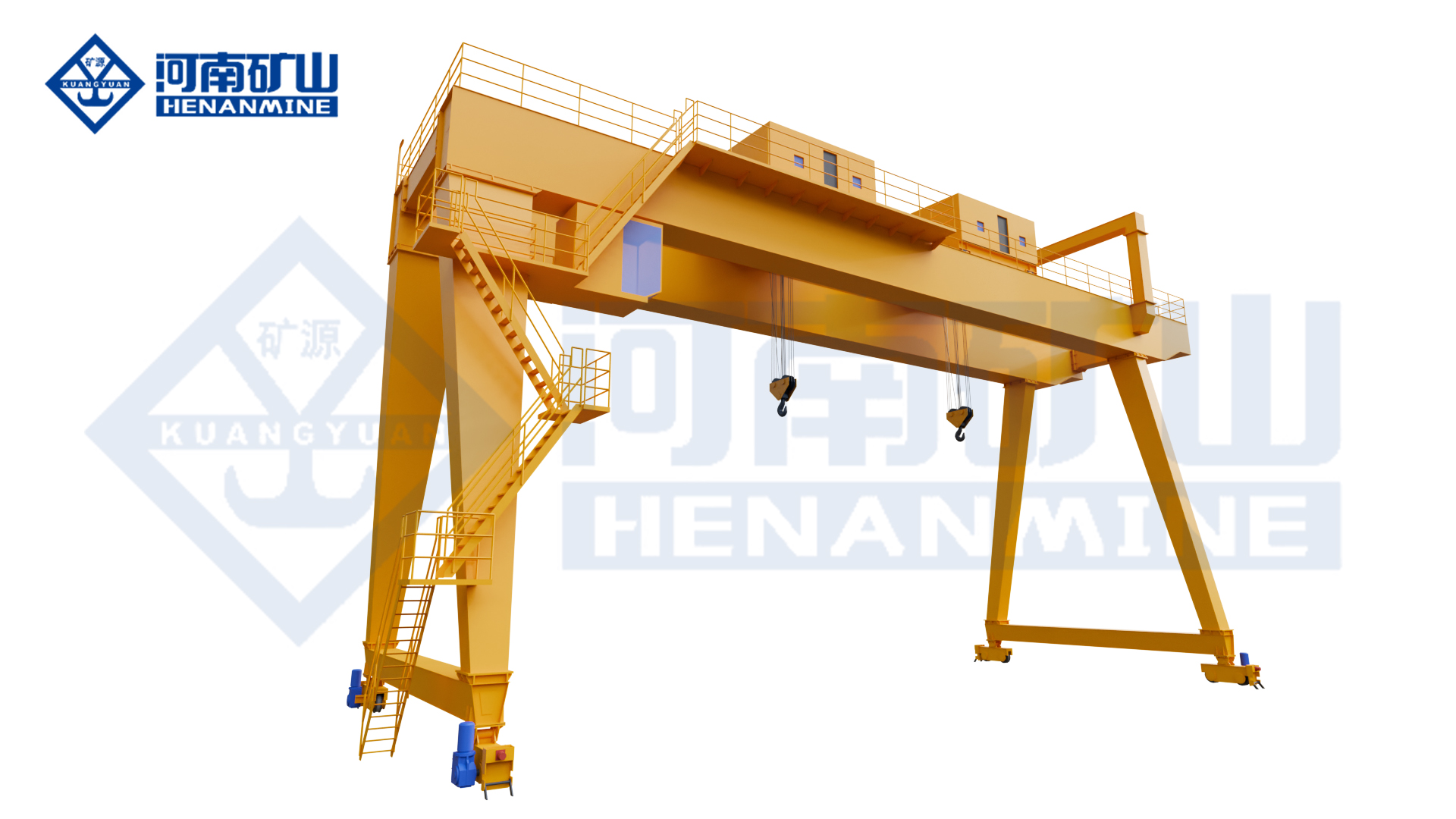
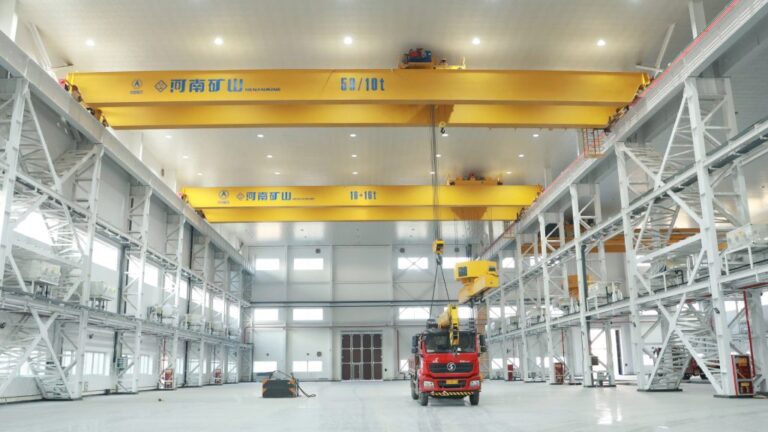
Henan Mine Crane qj lower-rotating beam crane showing the primary crane structure and lifting arrangement.
The QJ lower-rotating beam crane is designed for steel plate, section steel, coils and other long materials. The lower rotating beam changes load orientation and can use electromagnetic lifters or clamps depending on the material and process.
The RFQ should identify the exact pickup method first. Magnetic plate handling and mechanical clamping have different load-contact, safety and maintenance requirements even when they use the same rotating-beam crane concept.
Quick Specifications
| Product Model |
QJ |
| Type-Test Product Name |
General Overhead Crane |
| Lifting Capacity |
Configured according to project requirements |
| Span |
Configured according to runway center distance |
| Lifting Height |
Configured according to workshop / process requirements |
| Working Duty |
Configured from source data and actual load spectrum |
| Lifting Attachment |
Configured according to the product and load |
| Control Method |
Configured according to project requirements |
| Source-Stated Sway |
Within 5° |
Best For: For buyers who need one rotating beam platform that can be engineered with electromagnetic lifters or clamps for long steel products.
Request A QJ Lower-Rotating Beam Crane Quote
Product Overview
Special crane for steel plates, sections and coils.
Lower rotating beam can use electromagnetic lifters or clamps.
PLC module, HMI touch screen and WLK master controller are source-listed control elements.
Where the source page does not publish a numerical capacity, span, speed, duty, positioning accuracy or other guaranteed performance value, the final value should be selected and agreed from the actual project rather than copied from a similar crane.
Why Choose QJ Lower-Rotating Beam Crane?
Attachment Flexibility
Choose electromagnetic or clamp handling around the actual steel product.
PLC / HMI Control
Source-listed controls support clear operating status and command handling.
Rotation Sensing
Photoelectric sensing supports repeatable beam orientation.
Anti-Sway
Mechanical plus electrical control helps reduce swing during positioning.
Steel-Yard Process Fit
Designed around long steel products rather than general hook lifting.
Product Images

Source image associated with the QJ Lower-Rotating Beam Crane, showing the crane, lifting attachment or industrial application.
|

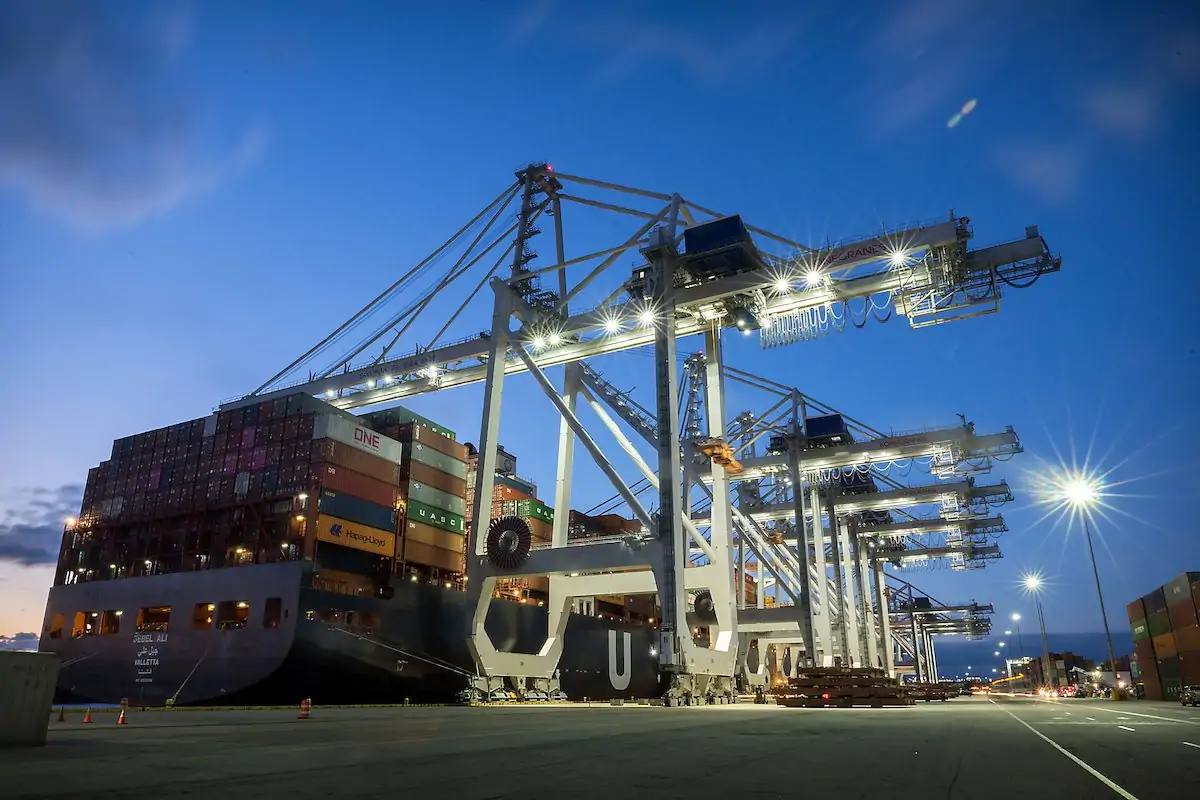
Source image associated with the QJ Lower-Rotating Beam Crane, showing the crane, lifting attachment or industrial application.
|
Main Crane Components
| Bridge Structure |
Engineered from capacity, span, duty, runway and product-specific process loads. |
| Hoisting / Trolley System |
Configured for the product's lifting mechanism and operating cycle. |
| Lifting Attachment |
Selected from the actual load geometry, material and process. |
| Travel System |
Bridge and trolley travel selected for required speed, duty and positioning. |
| Electrical & Control System |
Configured for operator control, safety functions and any source-supported automation / monitoring. |
Technical Parameters
| Model |
QJ |
| Product Type |
QJ Lower-Rotating Beam Overhead Crane |
| Type-Test Product Name |
General Overhead Crane |
| Capacity |
Project-specific unless source-stated above |
| Span |
Project-specific unless source-stated above |
| Lifting Height |
Project-specific |
| Hoisting Speed |
Project-specific |
| Trolley / Crane Travel Speed |
Project-specific |
| Working Duty |
Project-specific unless source-stated above |
| Control Method |
Project-specific |
| Power Supply |
According to site electrical conditions |
| Operating Environment |
According to actual process conditions |
Source-Confirmed Features & Buyer-Defined Options
Source-confirmed product facts:
- Special crane for steel plates, sections and coils.
- Lower rotating beam can use electromagnetic lifters or clamps.
- PLC module, HMI touch screen and WLK master controller are source-listed control elements.
- Photoelectric sensors identify and adjust rotating angle and stop the rotating mechanism at the maximum range.
- Mechanical anti-sway uses bidirectional V-rope reeving; electrical anti-sway predicts load swing.
- Source reports sway controlled within 5 degrees.
Buyer-defined items:
- Capacity and total suspended load
- Span / lifting height / runway length
- Load geometry and lifting attachment
- Operating frequency and working duty
- Control and safety functions
- Positioning / synchronization / automation where applicable
- Installation, testing and commissioning scope
Application Scenarios
| Plate Mills / Service Centers |
Rotating plate transfer. |
| Steel Coil / Section Storage |
Handling long magnetic or clamped loads. |
| Ports |
Long-steel loading and unloading. |
| Steel Warehouses |
Indoor/outdoor fixed-bay material transfer. |
How to Select the Right QJ Lower-Rotating Beam Crane
1. Choose Magnet or Clamp
Define how the load may safely be gripped.
2. Provide Load Geometry
Include maximum/minimum length, width, thickness and center of gravity.
3. Define Rotation Range
State pickup and placement orientation.
4. Define Surface / Temperature Conditions
These affect attachment choice and wear.
5. Define Anti-Sway / Positioning Need
State any required acceptance performance rather than assuming the source example.
Rotating Attachment Selection
| Electromagnetic Pickup |
Useful for suitable magnetic steel products; define backup-power and magnet-release logic. |
| Clamp Pickup |
Useful when mechanical gripping is preferred; define product dimensions, contact pressure and clamp range. |
| Rotation Control |
Source includes photoelectric angle sensing and braking. |
| Anti-Sway |
Source reports a 5° swing limit on its referenced system; new-project acceptance should be specified separately. |
Safety & Control: What Buyers Should Confirm
• Rated capacity, overload protection and load-indication requirements
• Hoisting / travel limits, braking and emergency-stop requirements
• Attachment-specific safety such as magnet backup, grab interlocks, clamps or tandem synchronization where applicable
• Operator control method, visibility and safe access
• Anti-collision, anti-sway, positioning or automation requirements where required by the process
• Factory / site acceptance, load tests and project-specific functional tests
Installation & Maintenance
Before manufacture and installation, confirm runway span, rail / runway-beam condition, elevation, straightness, available headroom, power supply and erection access. Special attachments, multi-trolley systems, cantilevers, suspended runways and automated layouts should be coordinated with the workshop or yard drawing before production.
Maintenance should follow the supplied crane manual and actual duty. Inspection normally covers the hoisting mechanism, brakes, ropes, hooks / attachments, wheels, drives, fasteners, limits and electrical systems, with additional checks for magnets, grabs, clamps, sensors, encoders or automation hardware where fitted.
What Information Do We Need for a Quote?
| 1 |
Load type and dimensions |
| 2 |
Magnet or clamp requirement |
| 3 |
Maximum suspended load |
| 4 |
Required rotation range |
| 5 |
Surface / temperature condition |
| 6 |
Span |
| 7 |
Lifting height |
| 8 |
Runway length |
| 9 |
Duty / cycles |
| 10 |
Control method |
| 11 |
Workshop layout |
| 12 |
Power supply and destination |
Frequently Asked Questions
How is the final crane capacity selected?
Use the total suspended load, including the load itself plus any beam, grab, magnet, clamp, spreader or rigging that remains below the hook.
Can the capacity, span and lifting height be customized?
Yes, these values are project-specific unless a source range is explicitly listed on this page. Provide the workshop / yard data for engineering selection.
What should I provide for a faster quotation?
Provide load drawings or dimensions, maximum suspended load, span, lifting height, runway length, operating cycle, environment and the specific process function that makes this product necessary.
Can control and automation be customized?
Where the source supports PLC, VFD, positioning, WMS/MES/DCS or remote functions, the final scope should be defined from the buyer's interface and acceptance requirements.
How should source-reported performance numbers be treated?
They describe the source product configuration. Any value that matters contractually for a new project should be written into the technical agreement and acceptance plan.
Related General Overhead Cranes
QLC Lower-Rotating Electromagnetic Beam Overhead Crane
QZ Intelligent Grab Bucket Double-Girder Overhead Crane
QEN Grab & Hook Dual-Purpose Overhead Crane
QDXG Zinc Pot Maintenance Overhead Crane
QE Double-Trolley Hook Overhead Crane
Request A QJ Lower-Rotating Beam Crane Quote
Send your lifting load, span, lifting height, runway length, workshop or yard drawing, operating cycle, load geometry and special attachment / control requirements. Henan Mine Crane engineers will review the process and prepare a project-specific crane configuration and quotation.
Request A Quote | View Overhead Cranes