BMH Explosion-Proof Electric Hoist Gantry Crane
For buyers who need a rail-mounted gantry crane with an explosion-proof electric hoist, optional outside-span cantilever and a project-specific hazardous-area configuration.

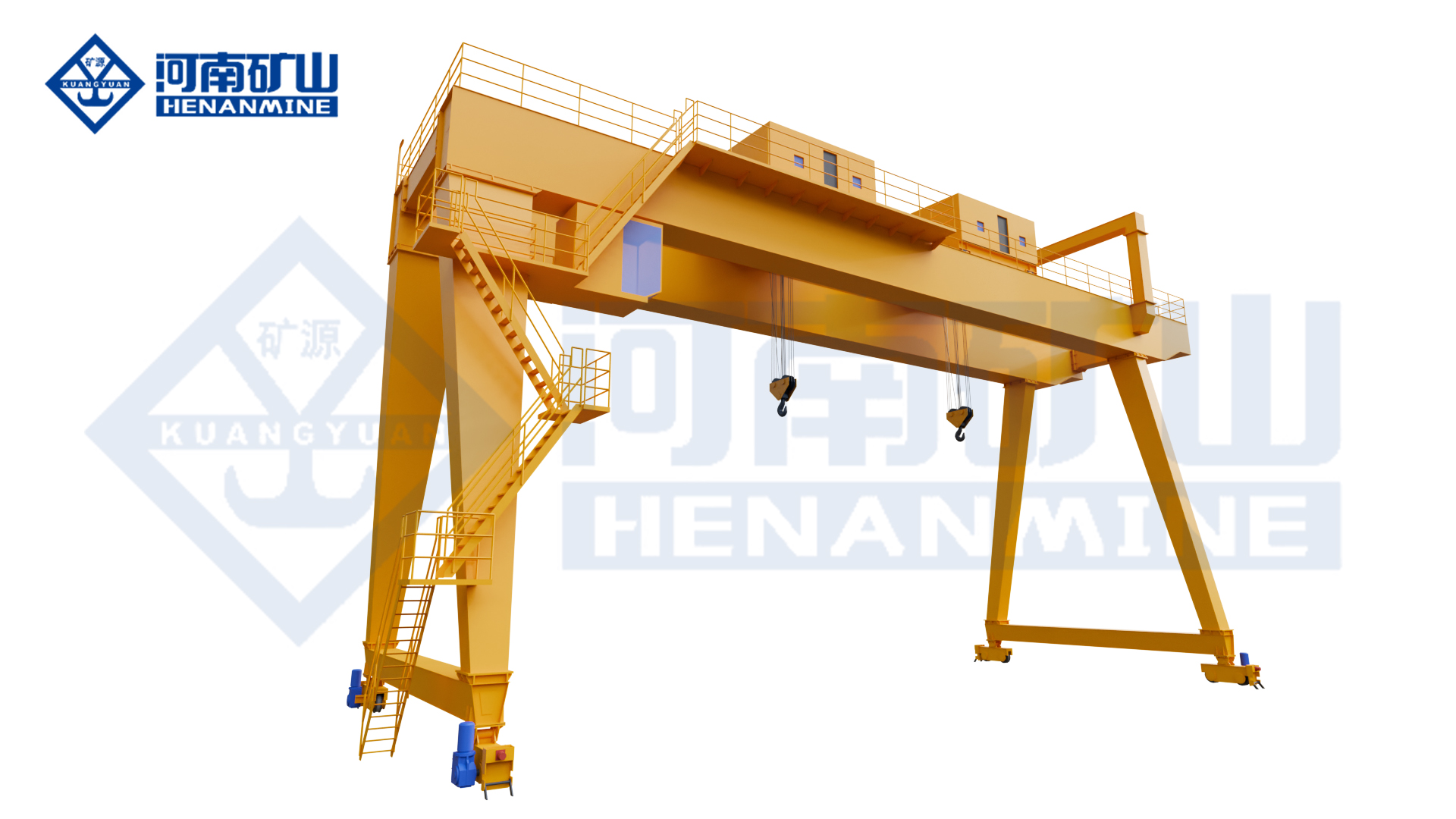
Henan Mine Crane BMH explosion-proof electric hoist gantry crane showing the gantry structure, rail-mounted legs and lifting arrangement.
The BMH explosion-proof electric hoist gantry crane is developed from an electric-hoist gantry-crane platform and uses an explosion-proof electric hoist as the lifting mechanism. It runs on ground rails through two gantry legs and provides vertical lifting, cross travel and long travel.
The source states that the crane is designed according to national explosion-proof requirements, but it does not publish one universal explosion-protection grade. For procurement, the hazardous-area classification, gas or dust medium, temperature requirement and applicable project standard must therefore be defined before the final electrical and mechanical configuration is selected.
Quick Specifications
| Model |
BMH |
| Type-Test Product Name |
Explosion-Proof Gantry Crane |
| Lifting Mechanism |
Explosion-proof electric hoist |
| Load Handling Device |
Hook |
| Working Duty |
A3 (source-stated) |
| Lifting Capacity |
Configured according to project requirements |
| Span |
Configured according to rail center distance |
| Lifting Height |
Configured according to site and process requirements |
| Cantilever |
Available outside the legs or omitted according to project requirements |
| Control |
Cab / ground / remote control (source-stated) |
| Explosion Protection |
Configured according to the approved project hazardous-area specification |
Best For: Hazardous-area material handling where a building-mounted overhead runway is unavailable or undesirable and the buyer needs a ground-rail gantry layout.
Request A BMH Explosion-Proof Gantry Crane Quote
Product Overview
The source describes the BMH as an explosion-proof electric-hoist gantry crane with ground-rail travel, hook lifting and optional cantilever coverage. The crane is intended for intermittent, repetitive loading, unloading and material or equipment transfer.
A procurement decision should be based on two requirement sets at the same time: the lifting requirement and the hazardous-area requirement. Capacity, span and lifting height determine the mechanical crane; the hazardous-area specification determines the explosion-protected components and protection concept.
The source does not publish a fixed capacity range, span range, explosion grade, gas group, dust group or temperature class. These values should not be copied from another crane and should instead be written into the project technical specification.
Why Choose the BMH Explosion-Proof Gantry Crane?
Explosion-Proof Electric Hoist
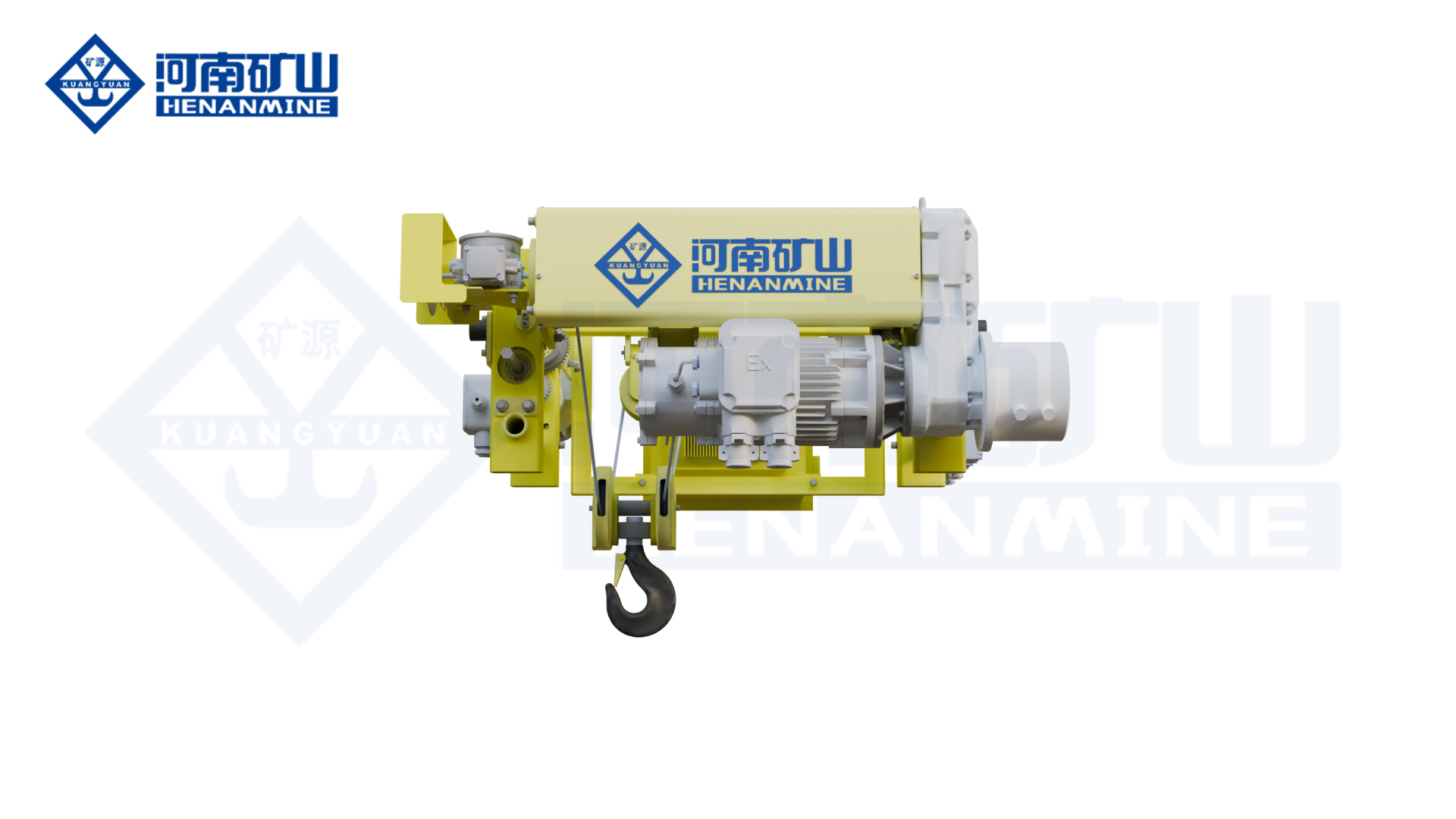
The lifting mechanism is specifically described by the source as an explosion-proof electric hoist.
Ground-Rail Gantry Layout
Useful where a free-standing crane is preferred instead of an overhead building runway.
Optional Cantilever
The source allows an outside-leg cantilever for transferring loads from inside the span to positions outside the rail line.
Multiple Control Modes
Cab, ground and remote operation are source-listed, allowing the operator method to be selected around visibility and hazardous-area procedures.
Lightweight / Simple Structure
The source highlights simple construction, low self-weight, easy installation and maintenance, lower cost and lower foundation demand.
Compact Gantry Travel Drive
The source states that the travel mechanism uses a vertical gearbox arrangement to reduce occupied space, with a protective guardrail.
Product Images

Official source product image showing the BMH explosion-proof gantry crane structure and electric-hoist lifting arrangement.
|

Official source product image showing the BMH explosion-proof gantry crane structure and electric-hoist lifting arrangement.
|
.
|
|
|
|
Main Crane Components
| Gantry Bridge Structure |
Main beam and leg structure selected from load, span, duty and site conditions. |
| Explosion-Proof Electric Hoist |
Primary lifting mechanism for the hazardous-area application. |
| Gantry Legs |
Support the bridge and transfer load to the ground rail / foundation system. |
| Rail Travel System |
Source-described vertical gearbox arrangement for the gantry travel mechanism. |
| Optional Cantilever |
Extends hook coverage beyond the leg / rail line where required. |
| Explosion-Protected Electrical System |
Configured according to the approved hazardous-area requirement and project standard. |
| Operator Control |
Cab, ground or remote control according to source-supported options and project procedures. |
Technical Parameters
| Model |
BMH |
| Product Type |
Explosion-Proof Electric Hoist Gantry Crane |
| Type-Test Product Name |
Explosion-Proof Gantry Crane |
| Working Duty |
A3 (source-stated) |
| Capacity |
Project-specific |
| Span |
Project-specific |
| Lifting Height |
Project-specific |
| Runway Length |
Project-specific |
| Cantilever Length |
Project-specific / optional |
| Hoisting Speed |
Project-specific |
| Trolley / Hoist Travel Speed |
Project-specific |
| Gantry Travel Speed |
Project-specific |
| Control Method |
Cab / ground / remote or project-specific combination |
| Explosion-Protection Grade |
Project-specific; must match the approved hazardous-area classification |
| Power Supply |
According to site electrical conditions |
| Outdoor / Environmental Protection |
According to actual wind, rain, dust, corrosion and temperature conditions |
Source-Confirmed Features & Buyer-Defined Options
Source-confirmed product facts:
- Explosion-proof electric hoist is used as the lifting mechanism.
- Crane runs on ground rails through two supporting legs.
- Hook is the source-described load-handling device.
- Optional outside-leg cantilever is available or can be omitted.
- Working duty A3 is source-stated.
- Cab, ground and remote operation are source-listed.
- Source highlights simple structure, low self-weight, easy installation / maintenance, lower cost and lower foundation requirement.
- Source states a vertical gearbox arrangement for the gantry travel mechanism with a protective guardrail.
Buyer-defined items:
- Approved hazardous-area classification
- Hazardous gas, vapor or combustible dust information
- Gas / dust group and temperature requirement where applicable
- Maximum suspended load including rigging
- Span, lifting height and runway length
- Cantilever length / outside-span working area
- Ground rail and foundation information
- Indoor / outdoor wind, rain and corrosion conditions
- Control method and operator-location requirements
- Applicable explosion-protection / electrical standard
- Installation, testing and commissioning scope
Application Scenarios
| Chemical / Process Yards |
Hazardous-area equipment or material handling where a ground-rail gantry layout is required. |
| Oil / Gas Related Facilities |
Outdoor or semi-outdoor lifting where the approved hazardous-area specification requires explosion-protected crane equipment. |
| Combustible-Dust Areas |
Gantry handling where the plant classification requires dust explosion protection. |
| Hazardous Maintenance Yards |
Equipment replacement and maintenance lifting in classified operating areas. |
| Truck / Outside-Span Loading |
Optional cantilever can extend hook coverage beyond the gantry leg line where the approved layout permits. |
How to Select the Right BMH Explosion-Proof Gantry Crane
1. Start with the Hazardous-Area Specification
Provide the approved plant classification and hazardous medium before selecting explosion-protected components.
2. Define Capacity Correctly
Include the load plus rigging, lifting beam or any permanent below-the-hook device.
3. Confirm Span and Rail Layout
Provide the ground-rail center distance, total travel length and rail / foundation drawing.
4. Define Hook Height
State the actual required hook elevation and any pits, platforms, trucks or equipment below the crane.
5. Decide Whether a Cantilever Is Needed
Only add outside-span reach where the process needs truck loading, storage or transfer beyond the rail line.
6. Select the Control Method
Choose cab, ground or remote operation based on visibility, operator exposure and plant hazardous-area procedures.
7. Define the Outdoor Environment
If outdoors, provide wind, rain, dust, corrosion, temperature and anchoring / rail-clamp requirements.
Explosion-Proof Specification: What Buyers Must Confirm
| Hazardous-Area Classification |
Provide the approved classification used by the project / plant. |
| Hazardous Medium |
Identify gas, vapor, combustible dust or other classified medium. |
| Group / Temperature Requirement |
Provide the group and temperature requirement where applicable. |
| Applicable Standard |
State the project, national or local explosion-protection standard that controls acceptance. |
| Equipment Boundary |
Define which crane mechanisms and electrical components are inside the classified area. |
| Environmental Conditions |
Temperature, humidity, corrosion, dust and outdoor exposure can affect final equipment selection. |
| Acceptance Documents |
Define certificates, tests, inspection records and site acceptance required by the buyer. |
Procurement note: The source confirms an explosion-proof gantry-crane design and model BMH, but does not publish one universal explosion-protection grade. The final grade must match the buyer's approved hazardous-area specification.
Cantilever & Rail Layout: What Buyers Should Define
| Clear Span |
Distance between the ground-rail centerlines. |
| Cantilever Length |
Required hook reach outside each leg / rail line. |
| Runway Length |
Total gantry travel distance along the site. |
| Rail Elevation |
Important for checking crane geometry and hook height. |
| Foundation / Embedded Rail |
Provide civil and rail details so wheel loads and anchoring can be reviewed. |
| Outside-Span Load Position |
Show trucks, process equipment or storage locations served by the cantilever. |
Safety & Control: What Buyers Should Confirm
• Rated capacity and overload-protection requirements
• Hoisting upper / lower limits and gantry / trolley travel limits
• Brake and emergency-stop requirements
• Explosion-protected electrical components required by the approved classification
• Rail-end stops, buffers and anti-collision requirements
• Outdoor anchoring / rail clamps or wind protection where required
• Cab, ground or remote operator control and visibility
• Factory / site load tests and explosion-protection acceptance documentation
Installation & Maintenance
Before manufacture and installation, confirm rail center distance, runway length, rail elevation, foundation / embedded-rail condition, available lifting height, cantilever clearance, electrical supply and hazardous-area boundary. Outdoor sites should also provide design wind and operating-environment data.
Maintenance should follow the final supplied manual and the plant's hazardous-area procedures. Routine inspection should cover the electric hoist, ropes, hook, brakes, wheels, travel reducers, rail condition, limits, fasteners and all explosion-protected electrical components. Any maintenance action that affects explosion protection should follow the approved plant procedure.
What Information Do We Need for a Quote?
| 1 |
Approved hazardous-area classification |
| 2 |
Hazardous gas / vapor / dust information |
| 3 |
Group and temperature requirement where applicable |
| 4 |
Maximum suspended load |
| 5 |
Span |
| 6 |
Lifting height |
| 7 |
Runway length |
| 8 |
Cantilever length on each side if required |
| 9 |
Ground rail / foundation drawing |
| 10 |
Indoor / outdoor environmental conditions |
| 11 |
Control method |
| 12 |
Applicable standard / certification requirement |
| 13 |
Power supply |
| 14 |
Destination and installation / commissioning scope |
Frequently Asked Questions
What is the source-stated working duty of the BMH crane?
The source page states working class A3.
What explosion-proof grade does the BMH gantry crane use?
The source page does not publish one universal grade. The final configuration must be selected from the buyer's approved hazardous-area classification and applicable standard.
Can the BMH gantry crane have a cantilever?
Yes. The source states that the legs can include an outside cantilever for transferring loads beyond the span, or the crane can be supplied without it.
What operator-control methods are available?
The source lists cab, ground and remote operation.
Why is the foundation drawing needed?
The crane travels on ground rails. Final wheel loads, rail support and civil works need to be checked against the project-specific crane configuration.
What information is most important for an accurate quotation?
Hazardous-area data, capacity, span, lifting height, runway length, cantilever requirement, rail/foundation drawing, operating environment and control method.
Related Crane Categories
Electric Hoist Gantry Cranes
Explosion-Proof Overhead Cranes
General Gantry Cranes
Request A BMH Explosion-Proof Gantry Crane Quote
Send your hazardous-area classification together with lifting capacity, span, lifting height, runway length, cantilever requirement, rail / foundation drawing, operating environment and control requirements. Henan Mine Crane engineers can then evaluate both the gantry structure and the explosion-protection requirements before preparing a project-specific quotation.
Request A Quote | View Gantry Cranes