LHE Double-Trolley Electric Hoist Bridge Crane
For buyers handling long, multi-point or varied loads that may require two trolleys to work independently or together.

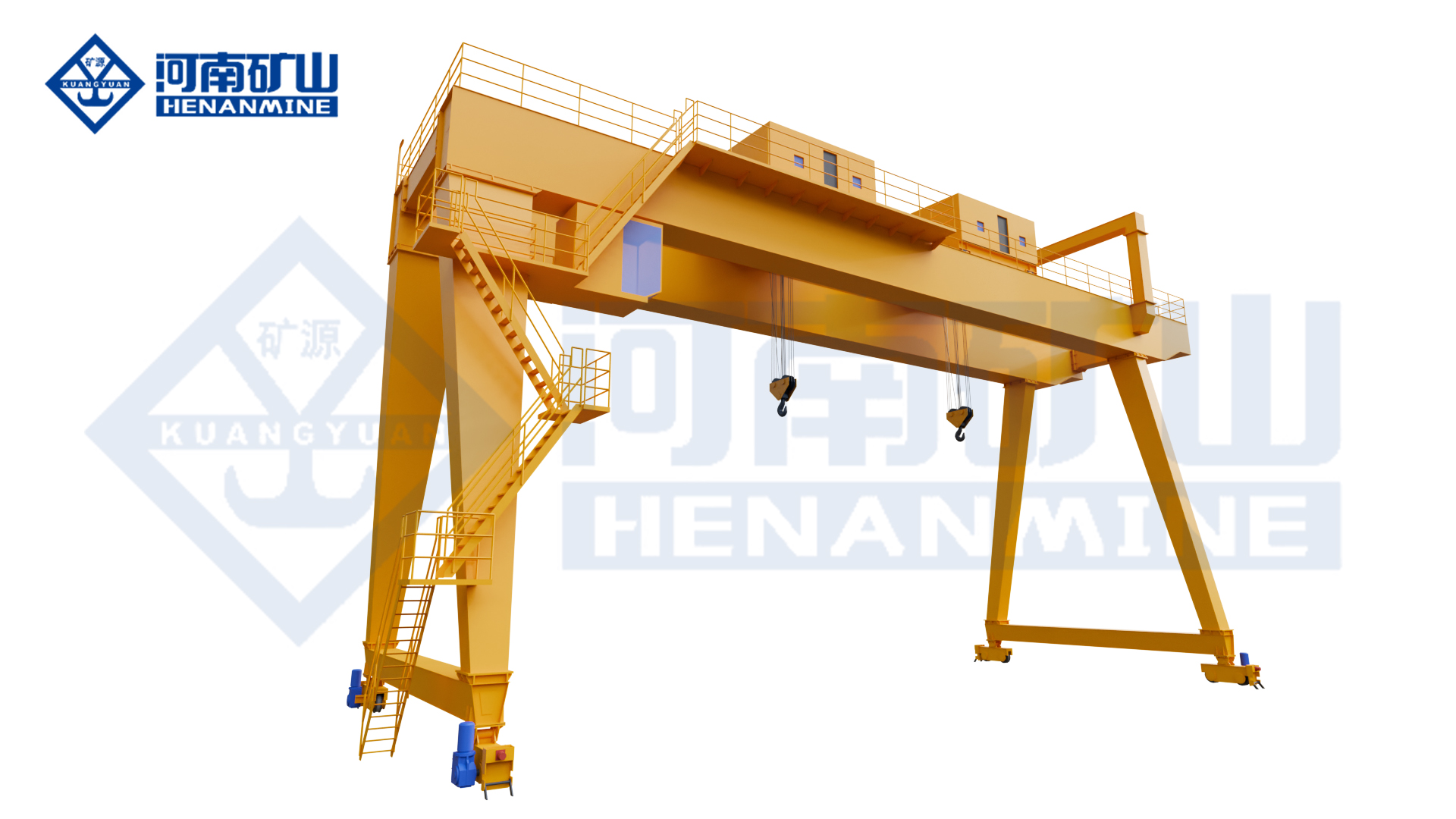
Henan Mine Crane lhe double-trolley hoist crane product image showing the crane and lifting arrangement.
The LHE double-trolley electric-hoist bridge crane is intended for general industrial material handling where one crane needs two lifting points. The two trolleys can work independently for separate loads or cooperate for tandem lifting of long or awkward components.
For procurement, the key questions are the total suspended load, load length, center of gravity, spacing between lifting points, required trolley synchronization and whether the two trolleys must also perform independent production tasks.
Quick Specifications
| Product Model |
LHE |
| Type-Test Product Name |
Electric Hoist Bridge Crane |
| Lifting Mechanism |
Two wire-rope electric-hoist trolleys |
| Lifting Capacity |
Configured according to project requirements |
| Span |
Configured according to runway center distance |
| Lifting Height |
Configured according to workshop / process requirements |
| Working Duty |
Selected from load spectrum and operating frequency |
| Control Method |
Configured according to project requirements |
Best For: For buyers handling long, multi-point or varied loads that may require two trolleys to work independently or together.
Request A LHE Double-Trolley Hoist Crane Quote
Product Overview
Electric hoist bridge crane for intermittent and repetitive general industrial handling.
Load handling device can be a hook or another special lifting attachment.
Wire-rope electric hoists provide a compact lifting mechanism with small overall dimensions and a large working range.
For a new purchase, any capacity, span, speed, duty or positioning value that is not published on the source page should be confirmed from the actual project rather than assumed from a similar crane.
Why Choose LHE Double-Trolley Hoist Crane?
Two Lifting Points
Two trolleys allow the crane to support long or multi-point loads that are difficult to control with one hook.
Independent or Combined Operation
The source confirms each trolley can operate separately or the two can work together.
Compact Hoist Mechanism
Wire-rope electric hoists help preserve working space and reduce mechanism dimensions.
Smooth Travel Control
Soft-start or VFD travel reduces shock during bridge and trolley acceleration.
Synchronization Capability
Encoders and inverter-control technology support coordinated two-trolley operation.
Product Images

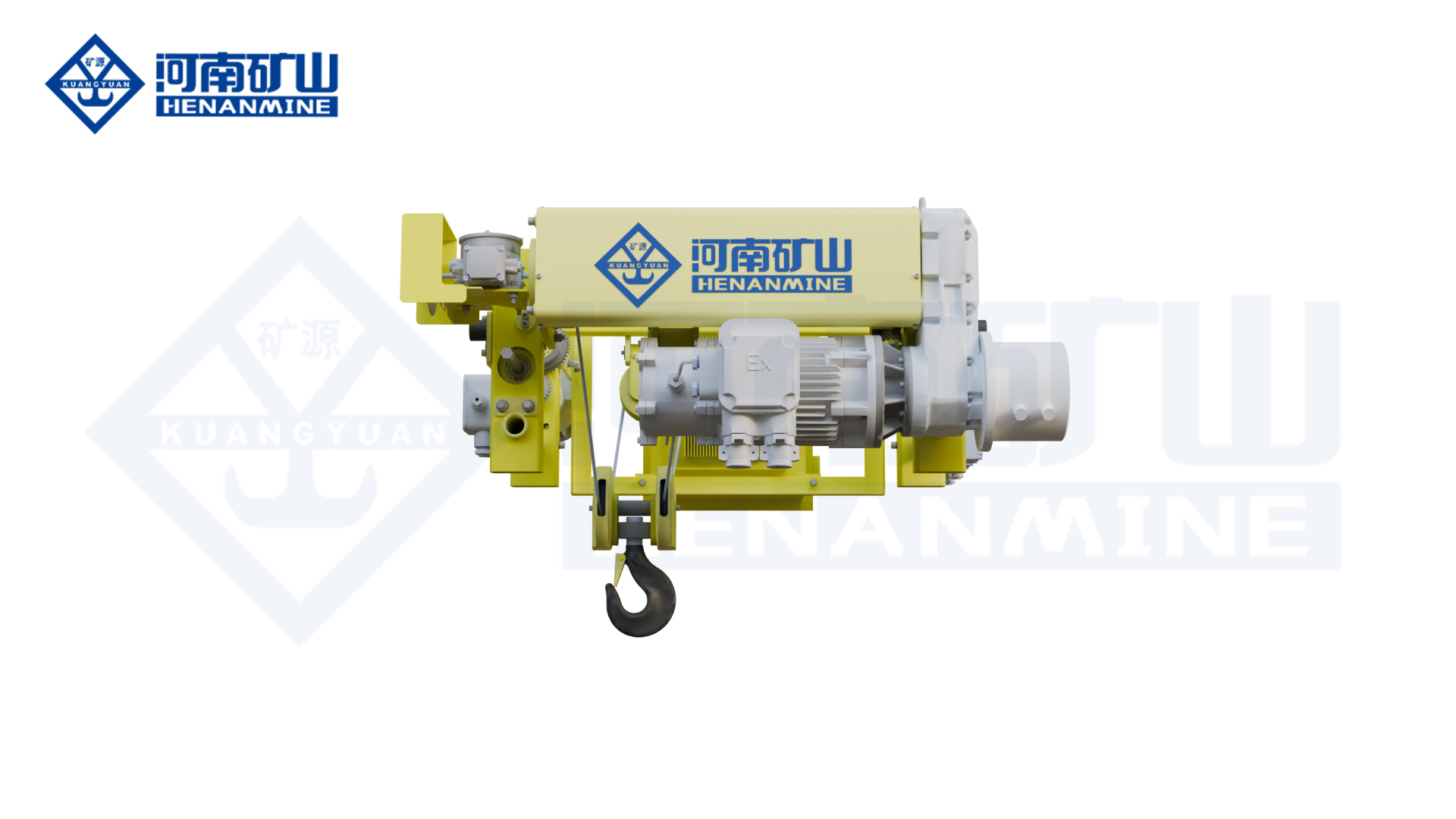
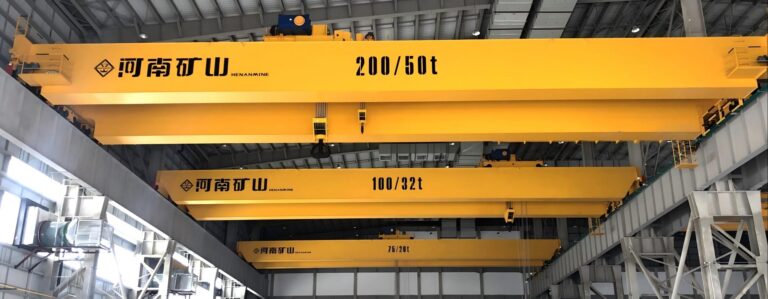
Source product image showing another view of the LHE Double-Trolley Hoist Crane structure and hoisting system.
|

Source product image showing another view of the LHE Double-Trolley Hoist Crane structure and hoisting system.
|
Main Crane Components
| Bridge Structure |
Overhead bridge carrying two independent trolley systems. |
| Two Electric-Hoist Trolleys |
Two wire-rope hoist trolleys for independent or coordinated lifting. |
| Encoder / Inverter Control |
Supports double-trolley coordination according to source configuration. |
| Travel Drives |
Soft-start or VFD bridge and trolley travel. |
| Hook / Special Attachment |
Selected to the actual load and lifting-point arrangement. |
Technical Parameters
| Model |
LHE |
| Product Type |
LHE Double-Trolley Electric Hoist Bridge Crane |
| Type-Test Product Name |
Electric Hoist Bridge Crane |
| Lifting Mechanism |
Two wire-rope electric-hoist trolleys |
| Capacity |
Project-specific |
| Span |
Project-specific |
| Lifting Height |
Project-specific |
| Hoisting Speed |
Project-specific unless explicitly stated in source |
| Trolley / Crane Travel Speed |
Project-specific |
| Working Duty |
Project-specific |
| Control Method |
Project-specific |
| Power Supply |
According to site electrical conditions |
| Installation / Building Interface |
According to workshop, runway and crane configuration |
Source-Confirmed Features & Buyer-Defined Options
Source-confirmed product facts:
- Electric hoist bridge crane for intermittent and repetitive general industrial handling.
- Load handling device can be a hook or another special lifting attachment.
- Wire-rope electric hoists provide a compact lifting mechanism with small overall dimensions and a large working range.
- Bridge and trolley travel can use soft start or variable-frequency speed control for smooth starting.
- Double-trolley control uses encoders and CI-card inverter technology according to the source.
- Two trolleys can be used independently or in combined operation.
Buyer-defined items for quotation:
- Capacity and load type
- Span and lifting height
- Runway length / building layout
- Operating frequency and duty
- Control method
- Required positioning or synchronization
- Safety functions
- Installation and commissioning scope
Application Scenarios
| Long Fabricated Components |
Two-point lifting of beams, frames and long machinery. |
| Assembly Operations |
Balanced positioning of large components at fixtures. |
| Variable Production Loads |
Independent trolley use for different lifting tasks. |
| Maintenance / Installation |
Coordinated handling of equipment requiring two suspension points. |
How to Select the Right LHE Double-Trolley Hoist Crane
1. Define the Total Suspended Load
Include both trolleys' lifted loads, rigging, lifting beams and attachments.
2. Provide Load Length and Lifting-Point Spacing
Trolley travel range and coordinated lifting depend on the actual pick points.
3. Define Synchronization Requirement
State allowable hook-height difference or load tilt during tandem lifts.
4. Confirm Independent-Operation Needs
Explain whether each trolley must handle separate jobs and what each trolley's maximum load will be.
5. Confirm Span, Lift Height and Duty
Complete the standard bridge-crane parameters after the tandem-lift logic is clear.
Safety & Control: What Buyers Should Confirm
- Rated-capacity and overload-protection requirements
- Upper/lower hoisting limits and travel limits
- Brake and emergency-stop requirements
- Electrical protection and site power conditions
- Operator control method and visibility
- Anti-collision, warning, synchronization or other project-specific functions where required
- Factory / site acceptance and load-test requirements
Installation & Maintenance
Before manufacture and installation, confirm runway span, rail or runway-beam condition, elevation, straightness, available headroom, electrical supply and erection access. Multi-trolley, suspended or cross-rail systems also require the relevant trolley spacing, support-point or transfer-interface data to be checked before production.
Maintenance should follow the final supplied crane manual and include the hoists, brakes, ropes, hooks / attachments, wheels, drives, fasteners, limits and electrical protection. Synchronized and multi-trolley systems should also include periodic verification of encoders, control logic and relative lifting position where applicable.
What Information Do We Need for a Quote?
| 1 |
Total maximum suspended load |
| 2 |
Maximum load per trolley |
| 3 |
Load length and dimensions |
| 4 |
Lifting-point spacing |
| 5 |
Required synchronization / allowable tilt |
| 6 |
Span |
| 7 |
Lifting height |
| 8 |
Runway length |
| 9 |
Operating frequency |
| 10 |
Control method |
| 11 |
Workshop drawing |
| 12 |
Power supply and destination |
Frequently Asked Questions
Can the two trolleys operate separately?
Yes. The source explicitly states that the two trolleys can operate independently or together.
How should capacity be specified for tandem lifting?
Provide both the total load and the maximum load expected on each trolley, including rigging and any lifting beam.
What information is needed for synchronized lifting?
Provide lifting-point spacing, center of gravity, allowable tilt and the required synchronization tolerance.
Does the source include VFD control?
The source states that bridge and trolley travel can use soft-start or variable-frequency speed control.
Related Electric Hoist Bridge Cranes
LH Electric Hoist Bridge Crane
LHY Metallurgical Electric Hoist Bridge Crane
LHEA Double-Trolley Electric Hoist Bridge Crane
KSSLS Three-Trolley New-Type Electric Hoist Bridge Crane
LHDX Multi-Point Electric Double-Girder Suspension Crane
KSX Cross-Rail Transfer Crane
KSSL New-Type Electric Hoist Bridge Crane
KSSLE New-Type Double-Trolley Electric Hoist Bridge Crane
Request A LHE Double-Trolley Hoist Crane Quote
Send your lifting load, span, lifting height, runway length, workshop drawing, operating cycle and any special lifting, synchronization, positioning or safety requirements. Henan Mine Crane engineers will review the application and prepare a project-specific crane configuration and quotation.
Request A Quote | View Overhead Cranes