MGH Truss Gantry Crane
For outdoor buyers who prioritize low structural self-weight, lower wind area and cost-effective gantry coverage.

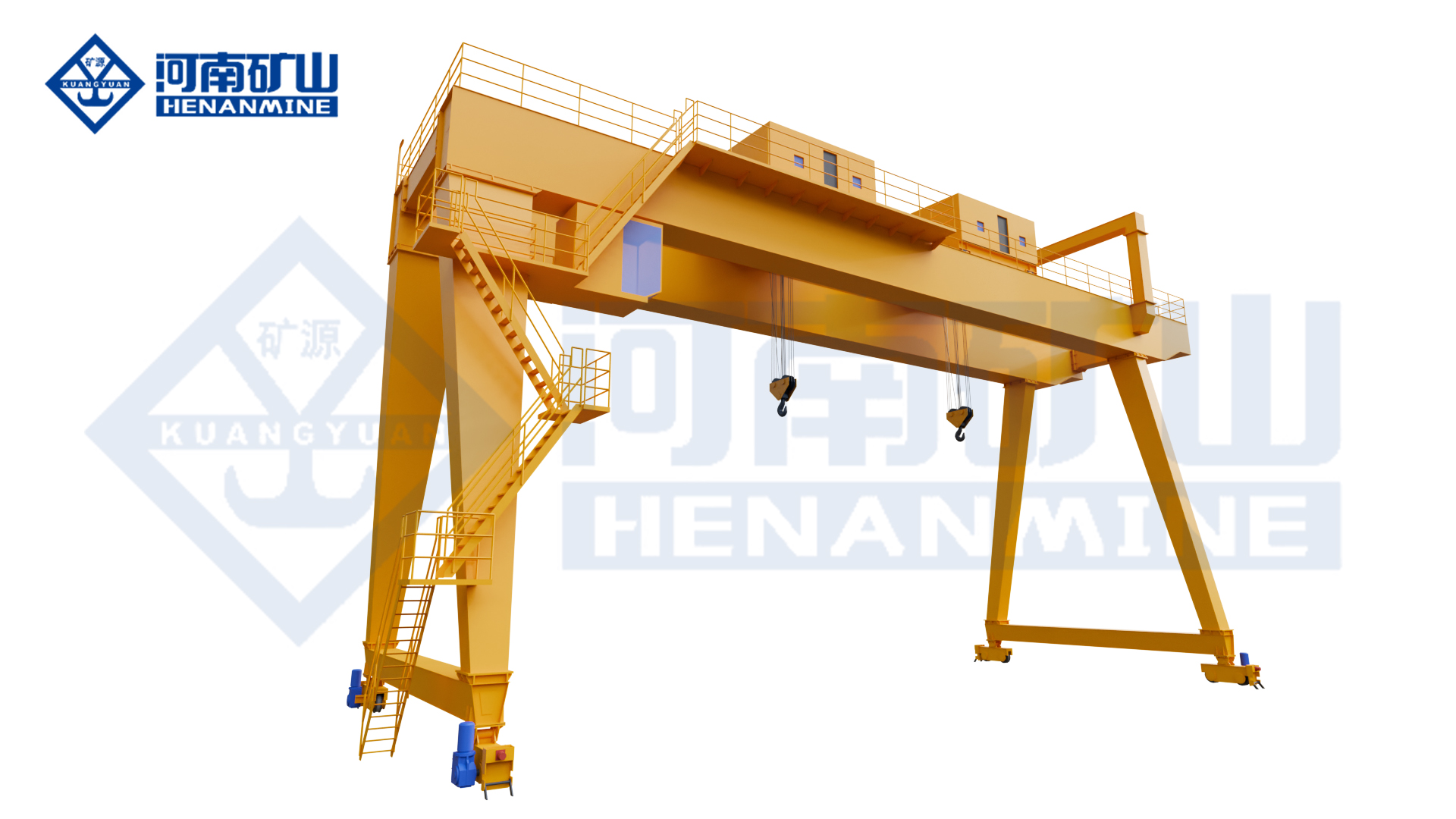
Henan Mine Crane mgh truss gantry crane showing the primary gantry structure and lifting arrangement.
The MGH truss gantry crane uses an electric hoist as the lifting mechanism and a truss structure welded from angle steel or structural sections. The source compares the truss concept to bridge-type triangular structural behavior and emphasizes low self-weight.
The source also emphasizes lower wind resistance than a closed box structure and lower material cost. Buyers should still provide the site's design wind, operating wind and corrosion conditions because 'low wind resistance' does not replace project wind engineering.
Quick Specifications
| Product Model |
MGH |
| Type-Test Product Name |
General Gantry Crane |
| Lifting Capacity |
Source-stated where published; otherwise project-specific |
| Span |
Source-stated where published; otherwise project-specific |
| Lifting Height |
Project-specific unless source-stated |
| Runway / Travel Length |
Project-specific |
| Working Duty |
Source-stated where published; otherwise selected from actual duty |
| Lifting Attachment |
According to the product and load |
| Control Method |
Source-supported options + project requirements |
| Operating Environment |
According to actual site conditions |
Best For: For outdoor buyers who prioritize low structural self-weight, lower wind area and cost-effective gantry coverage.
Request A MGH Truss Gantry Crane Quote
Product Overview
Electric hoist is source-described as the lifting mechanism.
Ground-rail gantry operation.
Optional outside cantilever or no cantilever.
Any capacity, span, speed, synchronization accuracy, wind limit, temperature limit, throughput or other contractual value that is not explicitly published by the source should be engineered from the actual project and written into the technical agreement.
Why Choose MGH Truss Gantry Crane?
Low Self-Weight
Truss construction can reduce crane dead load.
Lower Wind Area
Useful for outdoor yards where wind affects crane design and operation.
Cost-Efficient Steel Structure
Source highlights lower steel usage than a traditional closed box girder.
Electric-Hoist Simplicity
Fits general intermittent lifting with a simpler lifting mechanism.
Optional Cantilever
Extends load transfer beyond the rail span if required.
Product Images

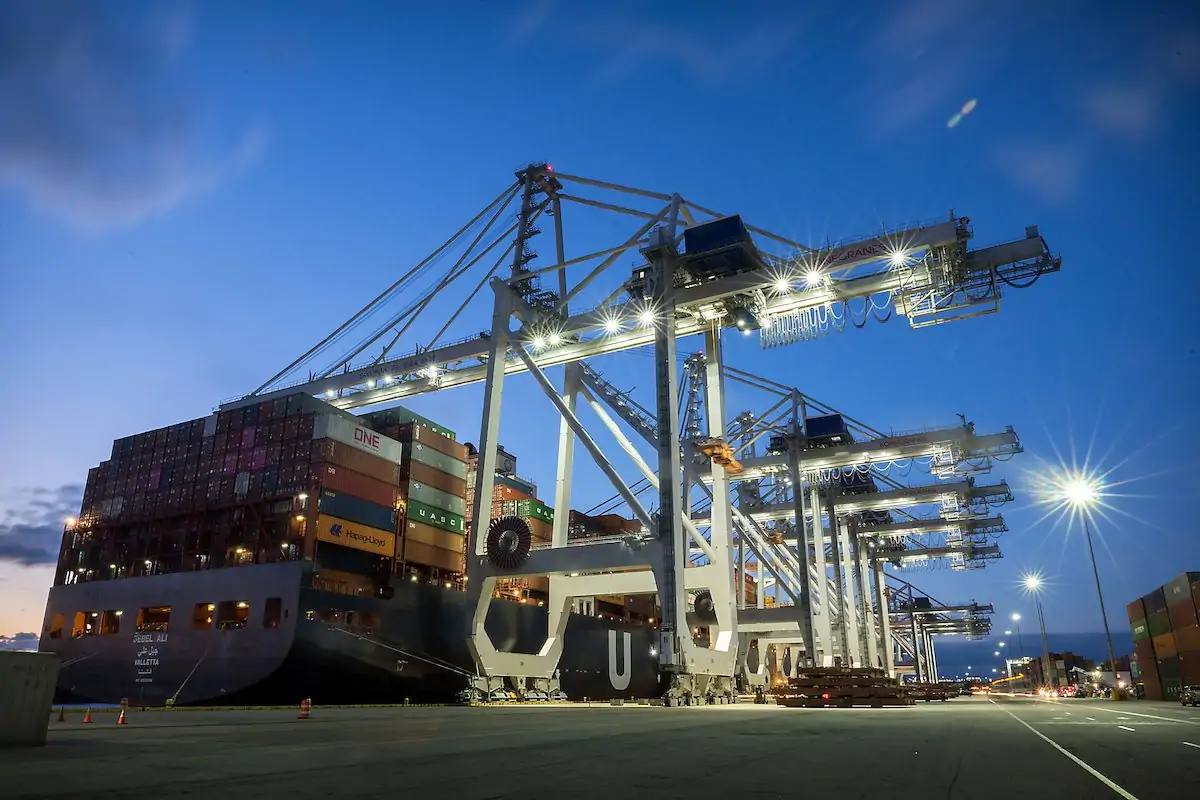
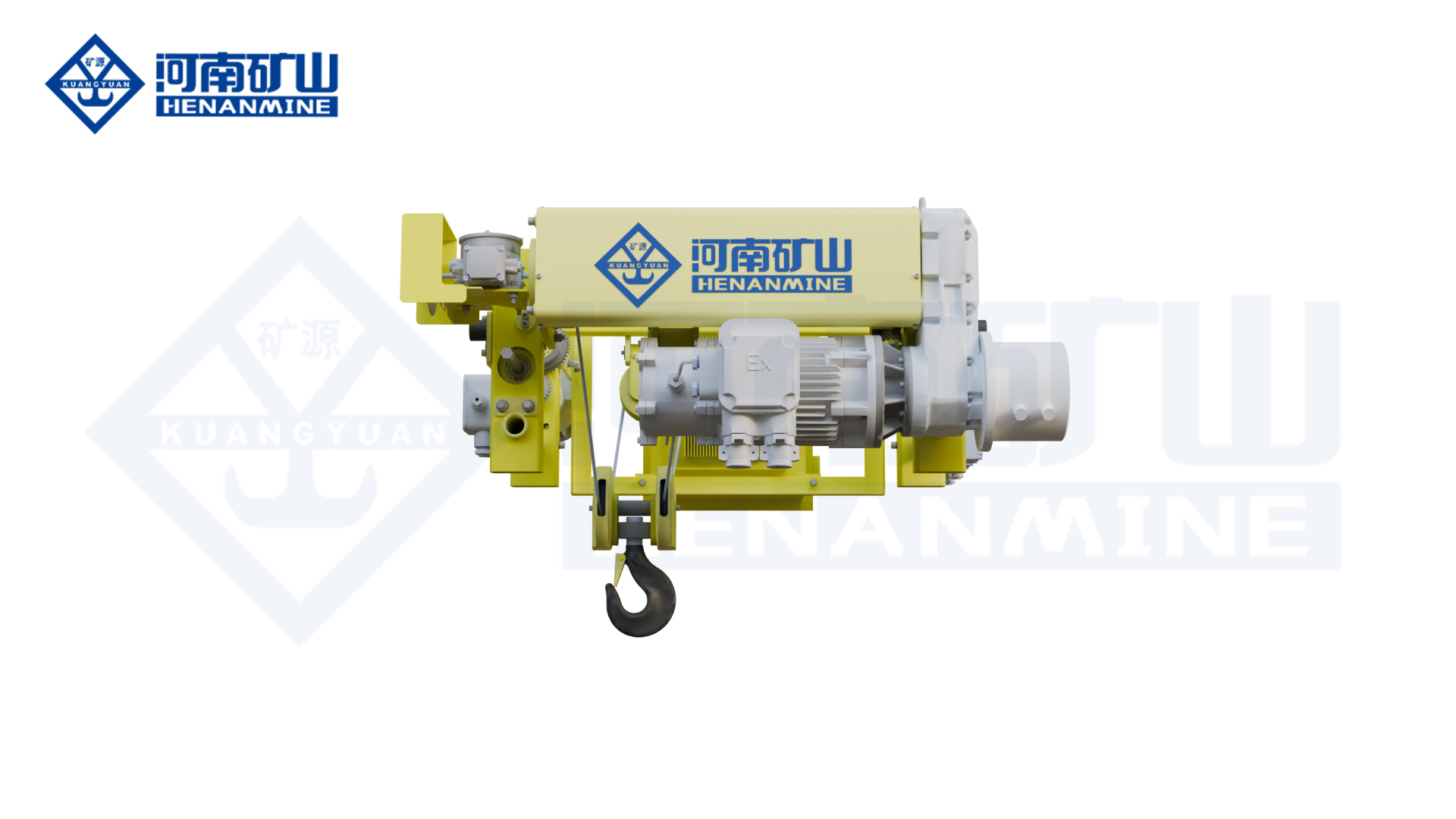
Official source image associated with the truss gantry crane structure or application.
|

Official source image associated with the truss gantry crane structure or application.
|
Main Crane Components
| Gantry Structure |
Main girder(s), legs and end structures selected from the exact product layout, load, span and site conditions. |
| Hoisting / Trolley System |
Configured around the product's source-described lifting mechanism and operating cycle. |
| Lifting Attachment |
Hook, grab, magnet, gantry hook, gate lifting device or construction attachment according to the product. |
| Gantry Travel System |
Moves the crane along the fixed ground rail or semi-gantry runway. |
| Electrical & Control System |
Configured from source-supported controls and project-specific safety / automation requirements. |
Technical Parameters
| Model |
MGH |
| Product Type |
MGH Truss Gantry Crane |
| Type-Test Product Name |
General Gantry Crane |
| Capacity |
Project-specific unless source-stated |
| Span |
Project-specific unless source-stated |
| Lifting Height |
Project-specific unless source-stated |
| Runway Length |
Project-specific |
| Hoisting Speed |
Project-specific |
| Trolley Travel Speed |
Project-specific |
| Gantry Travel Speed |
Project-specific |
| Working Duty |
Project-specific unless source-stated |
| Control Method |
Project-specific |
| Power Supply |
According to site electrical conditions |
| Site Environment |
According to wind, rain, dust, corrosion and temperature |
Source-Confirmed Features & Buyer-Defined Options
Source-confirmed product facts:
- Electric hoist is source-described as the lifting mechanism.
- Ground-rail gantry operation.
- Optional outside cantilever or no cantilever.
- Truss structure uses angle steel or structural sections.
- Source highlights lightweight construction and low self-weight.
- Source highlights lower wind resistance for outdoor use.
- Source states lower steel use and manufacturing cost than traditional box-girder structures.
Buyer-defined items:
- Maximum suspended load including attachment
- Span / lifting height / runway length
- Load geometry and lifting points
- Operating frequency and duty
- Outdoor / process environment
- Control, safety and automation scope
- Rail / foundation or building-runway interface
- Installation and commissioning scope
Application Scenarios
| Outdoor Yards |
General material handling in wind-exposed areas. |
| Fabrication Sites |
Cost-effective rail-mounted coverage. |
| Storage Areas |
Intermittent hook lifting. |
| Construction Sites |
General handling where a lightweight structure is useful. |
How to Select the Right MGH Truss Gantry Crane
1. Provide Site Wind Data
Design and operating wind must be defined for outdoor use.
2. Confirm Corrosion Environment
Open truss members need project-specific coating / corrosion protection.
3. Define Load and Span
Lightweight structure does not mean load requirements can be assumed.
4. Define Cantilever
Specify only the outside reach needed.
5. Confirm Rail / Foundation
Final wheel loads and anchoring are project-specific.
Truss vs Box-Girder Buyer Decision
| Truss Benefit |
Lower self-weight and wind area are source-highlighted. |
| Box-Girder Alternative |
May be preferred for other structural / protection priorities; compare by project. |
| Wind |
Always provide site wind data. |
| Corrosion |
Define coating and inspection requirements for outdoor exposure. |
Safety & Control: What Buyers Should Confirm
• Rated capacity / overload protection and attachment weight
• Upper / lower hoisting limits and trolley / gantry travel limits
• Brake and emergency-stop requirements
• Rail-end stops, buffers, anti-collision and wind protection where applicable
• Attachment-specific safety: grab, magnet, metallurgical, gate, tipping or multi-trolley functions
• Operator visibility, remote-control or camera requirements
• Automation / linked-crane fallback and recovery procedures where applicable
• Factory and site load / functional acceptance tests
Installation & Maintenance
Before manufacture, confirm rail center distance, runway length, rail elevation, foundation or building-runway capacity, available lifting height, process clearances, power supply and erection access. Outdoor projects should include wind, rain, temperature, corrosion and anchoring conditions.
Maintenance should follow the final supplied crane manual and actual duty. In addition to hoisting, brakes, ropes, wheels, drives, rails, limits and electrical systems, inspect product-specific devices such as grabs, magnets, gantry hooks, gate equipment, tipping mechanisms, encoders, cameras or automation hardware.
What Information Do We Need for a Quote?
| 1 |
Maximum load |
| 2 |
Span |
| 3 |
Lifting height |
| 4 |
Runway length |
| 5 |
Cantilever requirement |
| 6 |
Design / operating wind |
| 7 |
Corrosion conditions |
| 8 |
Duty |
| 9 |
Control method |
| 10 |
Rail / foundation drawing |
| 11 |
Power supply |
| 12 |
Destination |
Frequently Asked Questions
How is final crane capacity selected?
Use the complete suspended load, including the load plus grab, magnet, gantry hook, lifting beam, rigging or any other below-the-hook equipment.
Can span and lifting height be customized?
Yes. Unless the source publishes a range, these are project-specific and should be selected from the rail layout and working envelope.
What site drawing should I send?
Send a plan and cross-section showing rails, foundations or building runway, loading positions, obstacles, travel length and available clearances.
Can control or automation be customized?
Where the source supports VFD, PLC, linked operation, cameras, access control or other functions, the final scope should be defined from the buyer's process and acceptance requirements.
How should source-reported performance numbers be used?
Treat them as source product data. If a value is contract-critical for a new project, define the test conditions and acceptance method in the technical agreement.
Related Gantry Crane Products
MDG L-Type Gantry Crane
MEH Double-Trolley Truss Gantry Crane
MN Grab & Hook Dual-Purpose Gantry Crane
MEN Double-Trolley Electromagnetic & Hook Gantry Crane
MGBE Double-Trolley Semi-Gantry Crane
MC Electromagnetic Gantry Crane
Request A MGH Truss Gantry Crane Quote
Send your maximum load, span, lifting height, runway length, site drawing, operating cycle, load geometry, lifting attachment and special control / environment requirements. Henan Mine Crane engineers can then review the actual process and prepare a project-specific configuration and quotation.
Request A Quote | View Gantry Cranes