Steel Mill Straddle Carrier
For steel plants and service centers that need mobile lifting and transport of coils, plates, sections or fabricated steel using an attachment selected for the actual load.

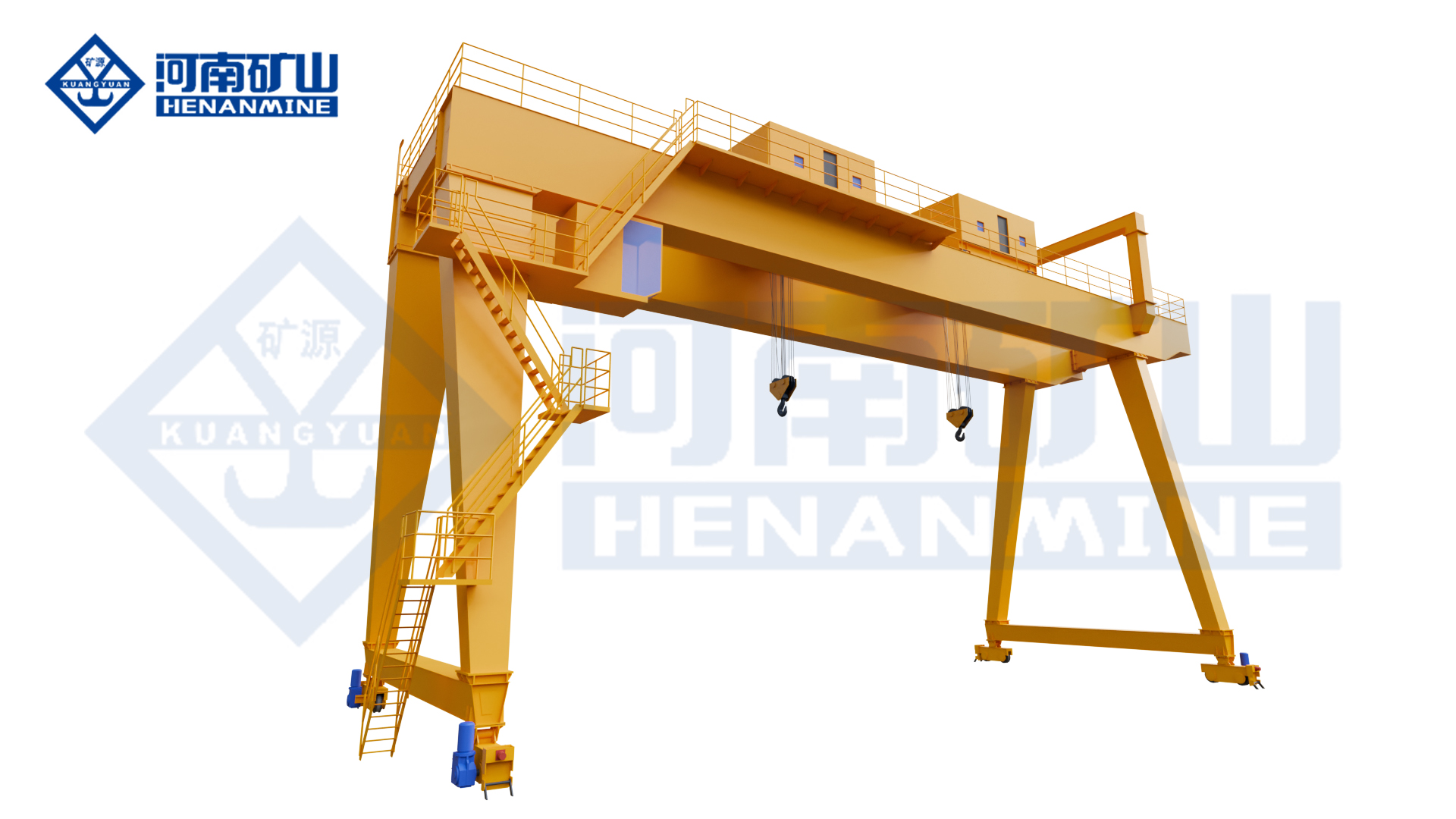
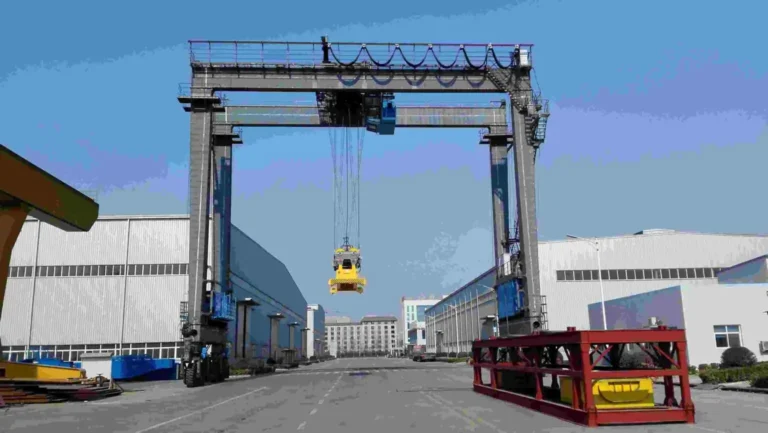
Henan Mine Crane source image for the Steel Mill Straddle Carrier, used to illustrate the product category and intended material-handling application.
Steel Mill Straddle Carrier for coils, plates and sections— lift and transport heavy steel with load-specific attachments.
This page is written from a procurement perspective. The accessible source category identifies the product and its target application, but it does not publish one universal capacity, overall dimension, travel speed, turning radius, tire load, gradeability or power system for this exact product. Those items are therefore treated as project-specific rather than invented.
Quick Specifications
| Model / Product Family |
Straddle Carrier |
| Mobility |
Rubber-tired / straddle-carrier product family |
| Lifting Capacity |
Configured according to the complete suspended load |
| Clear Width / Span |
Configured around the load and route |
| Lifting / Under-Clearance |
Configured around pickup, transport and placement geometry |
| Travel Speed |
Project-specific |
| Turning / Steering Requirement |
Project-specific according to route geometry |
| Ground / Pavement Loading |
Project-specific; final tire / axle loads must be checked |
| Working Duty |
Selected from moves per hour, travel distance and load spectrum |
| Control / Operator Mode |
Project-specific |
| Power / Drive System |
Project-specific |
| Environment |
Configured for actual indoor / outdoor site conditions |
Best For: For steel plants and service centers that need mobile lifting and transport of coils, plates, sections or fabricated steel using an attachment selected for the actual load.
Request A Steel Mill Straddle Carrier Quote
Product Overview
Steel Mill Straddle Carrier for coils, plates and sections— lift and transport heavy steel with load-specific attachments.
A rubber-tired lifting carrier should be selected as both a crane and a mobile transport system. The lifting arrangement must safely support the load, while the travel system must fit the real route, turning space, ground condition and production cycle. For many projects, route data is as important as capacity.
Before quotation, provide a site layout and the largest load drawing. This allows the supplier to review the load envelope, clear width, lifting height, turning zones, surface capacity and pickup / set-down interfaces together.
Why Choose a Steel Mill Straddle Carrier?
Steel-Product Specific
The source explicitly identifies coils, plates and sections.
Load-Specific Attachment Strategy
The source states that attachments are selected around the load rather than using one universal pickup device.
Mobile Yard Coverage
Useful where steel moves between production, storage and dispatch zones without fixed rails.
Reduced Transfer Steps
A straddle carrier can be engineered to lift and transport in one workflow instead of separating crane lift and vehicle transfer.
Product Images
The current source category exposes one product image for this item. It is shown above as the main image and is not repeated here to avoid duplicate media on the final product page.
Main Equipment Systems
| Load-Bearing Gantry / Carrier Structure |
Configured around the exact product form, load envelope and required clear width. |
| Hoisting / Lifting System |
Selected from suspended load, lifting points, lifting height and duty. |
| Load Attachment / Spreader |
Project-specific and selected for the actual load geometry and lifting rules. |
| Rubber-Tired Travel System |
Configured around loaded travel, route geometry and pavement conditions. |
| Steering / Maneuvering System |
Project-specific; selected from turning-space and route requirements. |
| Brake / Parking System |
To be specified according to loaded travel, slope, parking and site safety requirements. |
| Electrical / Hydraulic / Drive System |
Power architecture is project-specific unless confirmed in the final technical proposal. |
| Operator / Control System |
Configured according to visibility, travel route and project operating concept. |
Technical Parameters
| Product |
Steel Mill Straddle Carrier |
| Model / Family |
Straddle Carrier |
| Rated Capacity |
Project-specific |
| Clear Width / Span |
Project-specific |
| Lifting Height / Under-Clearance |
Project-specific |
| Overall Width / Height |
Project-specific |
| Travel Speed |
Project-specific |
| Turning Radius / Steering Geometry |
Project-specific |
| Grade / Slope Requirement |
Project-specific |
| Tire / Wheel Load |
Project-specific |
| Working Duty |
Project-specific |
| Attachment / Spreader |
Project-specific |
| Control Mode |
Project-specific |
| Power / Drive |
Project-specific |
| Outdoor Wind / Corrosion |
Project-specific where applicable |
Source-Confirmed Facts & Buyer-Defined Options
Source-confirmed facts:
- Product name: Steel Mill Straddle Carrier.
- Category model / family: Straddle Carrier.
- Source application statement: Steel Mill Straddle Carrier for coils, plates and sections— lift and transport heavy steel with load-specific attachments.
Buyer-defined items:
- Maximum load and load envelope
- Center of gravity and lifting points
- Required attachment / spreader
- Clear width and lifting / under-clearance
- Travel route and turning space
- Ground / pavement bearing conditions
- Moves per hour / shift
- Steering / control / power concept
- Outdoor wind / corrosion if applicable
- Commissioning and operator-training scope
Application Scenarios
| Coil Yards |
Move steel coils between production, storage and loading positions. |
| Plate Storage |
Handle large plate packs or individual plates using the specified attachment. |
| Section Steel Yards |
Move beams, sections and long products. |
| Steel Service Centers |
Support flexible storage and dispatch logistics. |
How to Select the Right Steel Mill Straddle Carrier
1. Define the Steel Product
Coils, plates and sections require different attachment and clearance logic.
2. Provide Load Dimensions and Temperature
Hot or unusually shaped steel changes attachment and protection requirements.
3. Define the Attachment
Buyer should specify the required lifting method and any load-contact restrictions.
4. Define Storage Geometry
Coil saddles, plate stacks and long-product racks affect pickup and set-down clearance.
5. Map the Yard Route
Provide aisle width, turning space, crossings and pavement capacity.
6. Define Handling Frequency
Moves per hour / shift drive duty and productivity.
Steel Product & Attachment Data
| Steel Product |
Coil, plate, section or fabricated steel. |
| Load Geometry |
Diameter / width / length / stack dimensions as applicable. |
| Temperature |
State hot-product conditions if relevant. |
| Attachment |
Project-specific and selected from the actual product / lifting rules. |
| Storage Interface |
Saddles, racks, stacks, trucks or process equipment. |
| Handling Frequency |
Moves per hour / shift. |
Rubber-Tired Travel: What Buyers Should Confirm
| Travel Route |
Provide the full loaded route, not only pickup and set-down points. |
| Minimum Width |
Measure the tightest aisle, gate, lane or crossing. |
| Turning Space |
Show corners, intersections and required reversing / maneuvering zones. |
| Slope / Cross-Fall |
Provide route grades where the carrier will travel loaded. |
| Surface Capacity |
Provide pavement, slab or ground bearing information. |
| Surface Condition |
Identify joints, potholes, rails, drains or transitions that affect tire travel. |
| Travel Frequency |
Moves per hour / shift and loaded distance affect duty and maintenance. |
| Parking Area |
Define safe parking / maintenance location and any outdoor wind requirement. |
Safety & Control: What Buyers Should Confirm
• Rated capacity / overload protection and lifting-attachment weight
• Load stability throughout lift, travel, turning and placement
• Hoisting limits and emergency-stop requirements
• Travel braking, parking and slope-holding requirements
• Steering / maneuvering visibility and operator warning requirements
• Tire condition, wheel / axle load and pavement compatibility
• Anti-collision / obstacle detection if required by the route
• Outdoor wind / parking protection where applicable
• Factory and site load / travel / braking / turning acceptance tests
Installation, Commissioning & Maintenance
Before manufacture, freeze the load drawing, lifting points, route layout, minimum clearances, ground conditions, pickup / set-down positions and operating cycle. Because the equipment is mobile, site acceptance should verify not only lifting but also loaded travel, steering, braking and placement on the actual route.
Maintenance planning should cover the hoisting system, ropes / chains where fitted, attachment, brakes, tires, wheel / axle assemblies, steering components, drive system, structural connections, controls and safety devices. High-frequency applications should define inspection access and spare-part strategy before purchase.
What Information Do We Need for a Quote?
| 1 |
Steel product type |
| 2 |
Maximum load |
| 3 |
Load dimensions |
| 4 |
Load temperature if applicable |
| 5 |
Required attachment / lifting method |
| 6 |
Storage rack / saddle / stack geometry |
| 7 |
Required lifting height |
| 8 |
Aisle / travel route drawing |
| 9 |
Ground / pavement information |
| 10 |
Moves per shift |
| 11 |
Control preference |
| 12 |
Indoor / outdoor / corrosive conditions |
| 13 |
Destination / commissioning scope |
Frequently Asked Questions
What determines the correct lifting capacity?
Use the complete suspended load, including the load plus spreader, lifting beam, sling or other permanent attachment.
Why do you need a site route drawing?
A rubber-tired carrier is both a lifting machine and a transport machine. Route width, turning space, slope and pavement can change the required configuration.
Can the dimensions and steering arrangement be customized?
These items are project-specific on the accessible source page. They should be engineered from the actual load and route rather than selected from an assumed standard size.
What affects price most?
Load capacity, clear width, lifting height, route / steering requirements, tire / axle loading, attachment, duty, control / power system and environmental requirements are major design drivers.
What should be tested before acceptance?
The technical agreement should define load lifting, loaded travel, steering, braking, safety functions and any placement / productivity requirements that matter to the project.
Related Rubber-Tired Gantry Products
Building Straddle Carrier
Wind Turbine Straddle Carrier
Precast Concrete Straddle Carrier
Straddle Carrier Crane
A-Frame Rubber-Tired Gantry Crane
Double Rubber-Tired Gantry Crane
Request A Steel Mill Straddle Carrier Quote
Send the maximum load, load dimensions, center of gravity, lifting points, required clearances, full travel-route drawing, ground / pavement information and handling frequency. Henan Mine Crane can then review the lifting and mobile-travel requirements together and prepare a project-specific configuration and quotation.
Request A Quote | View Gantry Cranes