KSMH New-Type Electric Hoist Gantry Crane
For buyers who want a more modern electric-hoist gantry platform with lightweight modular construction, smoother operation and flexible control options.

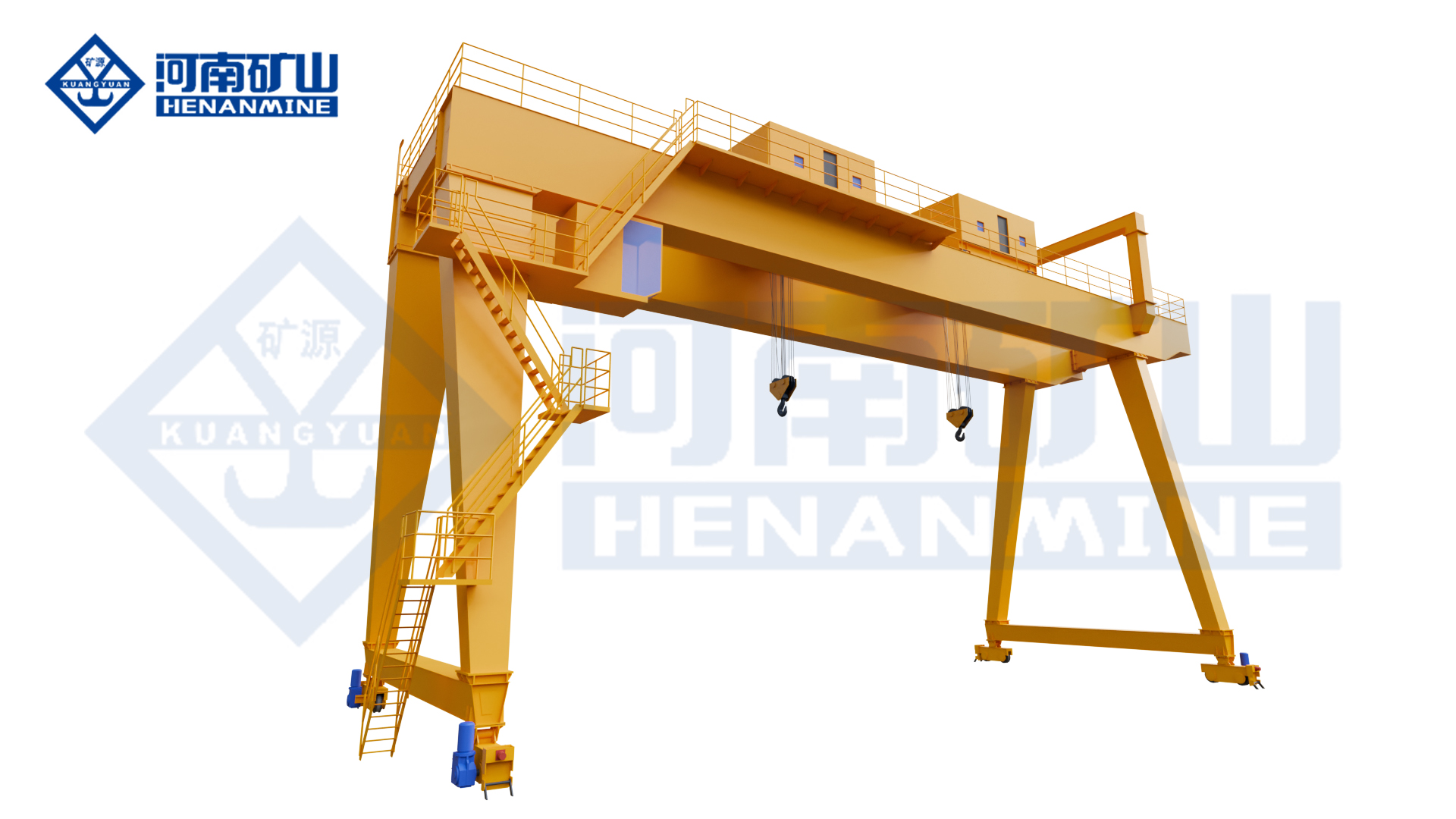
Henan Mine Crane ksmh new-type gantry crane showing the primary gantry structure and electric-hoist lifting arrangement.
The KSMH new-type electric hoist gantry crane follows the general electric-hoist gantry principle but adds a lightweight and modular design approach. The source lists A3–A5 working class for this product family.
The source emphasizes low noise, lower energy use, smooth running, heavy-load slow speed and light-load fast speed. Buyers should evaluate these features against real cycle-time and energy objectives rather than treating them as generic marketing benefits.
Quick Specifications
| Product Model |
KSMH |
| Type-Test Product Name |
Electric Hoist Gantry Crane |
| Lifting Mechanism |
Electric hoist |
| Lifting Capacity |
Configured according to project requirements |
| Span |
Configured according to rail / runway center distance |
| Lifting Height |
Configured according to site and process requirements |
| Working Duty |
Source-defined where stated; otherwise project-specific |
| Cantilever |
Optional where source-supported and required by the process |
| Control Method |
Configured according to source-supported options and project requirements |
Best For: For buyers who want a more modern electric-hoist gantry platform with lightweight modular construction, smoother operation and flexible control options.
Request A KSMH New-Type Gantry Crane Quote
Product Overview
Electric hoist gantry crane with source working class A3–A5.
Pendant push-button and wireless remote operation are source-listed.
Source states 90% self-production of core components such as precision castings and high-end drive parts.
Any capacity, span, speed, wheel load, energy saving, duty or other guaranteed value that is not explicitly published on the source page should be engineered from the actual project and written into the technical agreement rather than assumed from a similar crane.
Why Choose KSMH New-Type Gantry Crane?
Modern Modular Platform
Useful where fast replacement of standardized mechanical modules is valued.
Flexible Operator Control
Pendant and wireless remote modes are source-listed.
Lightweight Design
Can help reduce crane dead weight and building / foundation demand.
Load-Adaptive Speed Concept
Heavy-load slow and light-load fast operation can balance control and productivity.
Lower Noise / Energy Focus
Relevant for modern industrial facilities with lifecycle and environmental targets.
Product Images

Official source image associated with the KSMH New-Type Gantry Crane, showing the gantry structure, electric hoist or industrial application.
|

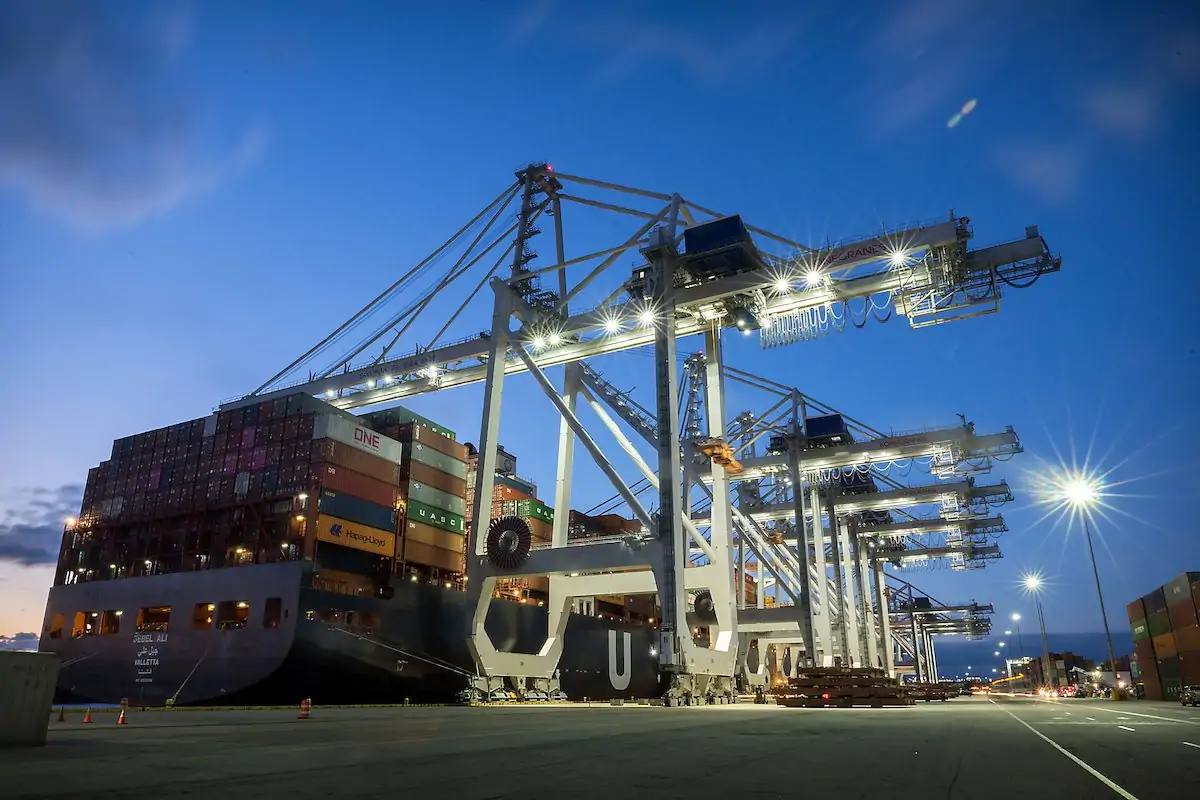
Official source image associated with the KSMH New-Type Gantry Crane, showing the gantry structure, electric hoist or industrial application.
|

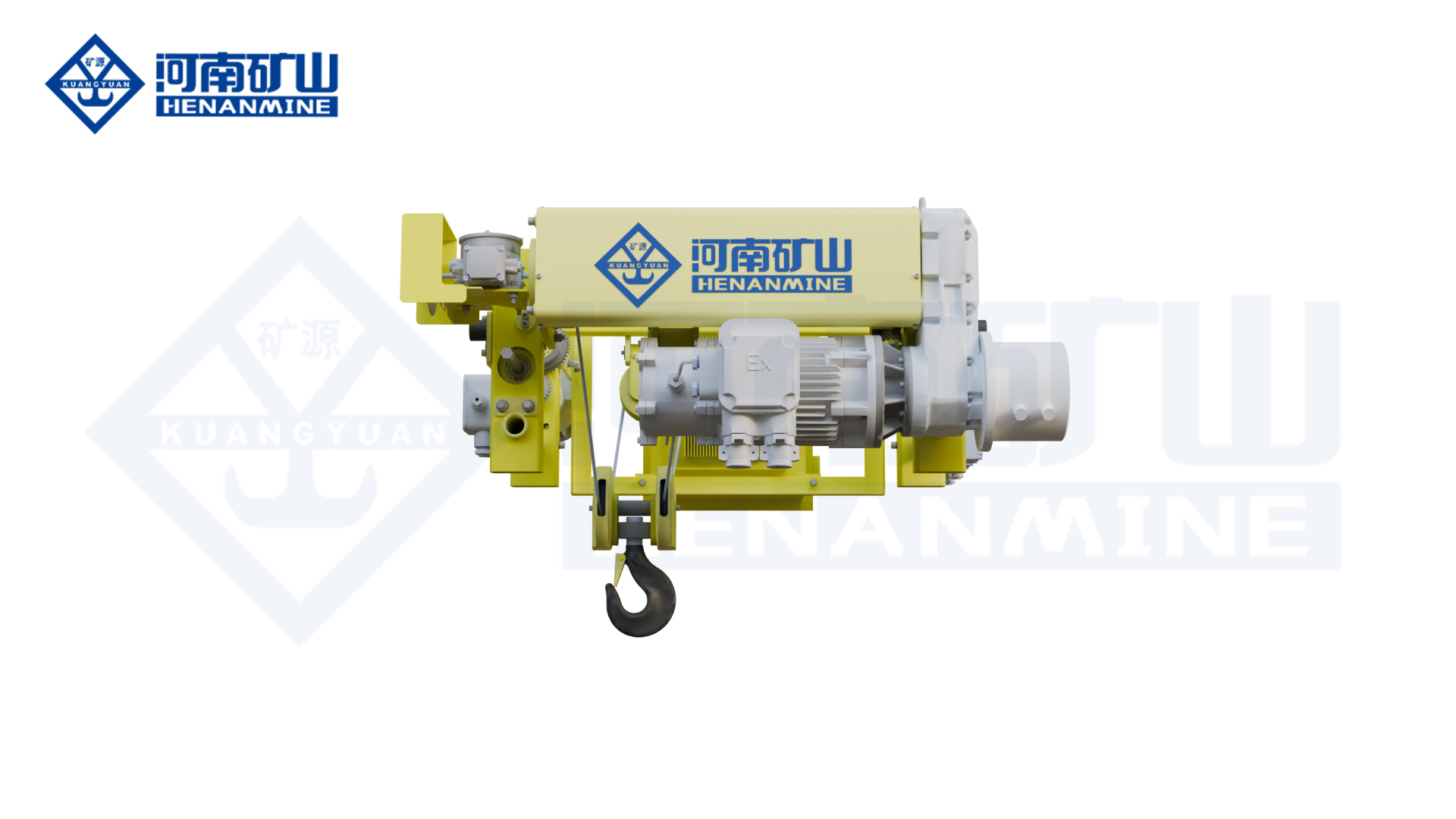
Official source image associated with the KSMH New-Type Gantry Crane, showing the gantry structure, electric hoist or industrial application.
|

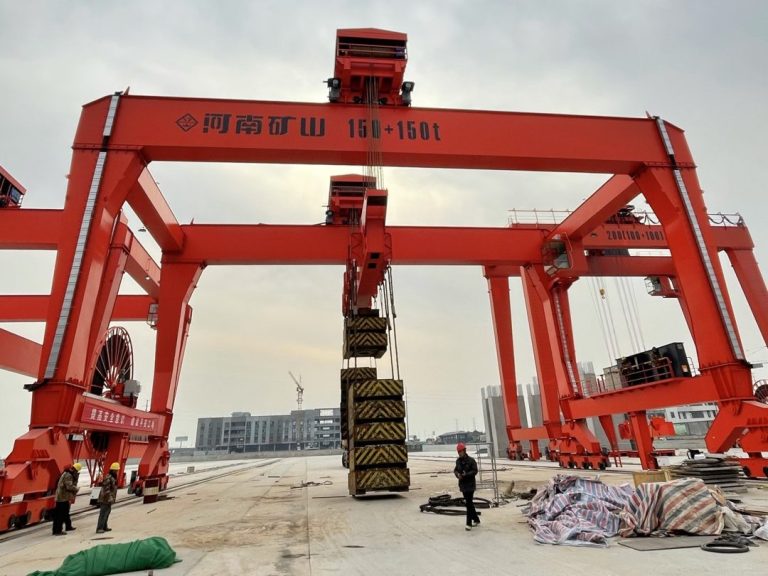
Official source image associated with the KSMH New-Type Gantry Crane, showing the gantry structure, electric hoist or industrial application.
|
Main Crane Components
| Main Girder / Bridge |
Selected from the product structure, span, load, duty and site environment. |
| Gantry Legs / Semi-Gantry Support |
Ground-supported or building-integrated according to the specific model. |
| Electric Hoist / Hoist Trolley |
Provides lifting and cross travel; arrangement depends on the product configuration. |
| Gantry Travel System |
Moves the crane along the ground rail or combined semi-gantry runway. |
| Cantilever / End Structure |
Configured only where outside-span hook coverage is required. |
| Electrical & Control System |
Configured for source-supported control modes, site power and project safety requirements. |
Technical Parameters
| Model |
KSMH |
| Product Type |
KSMH New-Type Electric Hoist Gantry Crane |
| Type-Test Product Name |
Electric Hoist Gantry Crane |
| Capacity |
Project-specific |
| Span |
Project-specific |
| Lifting Height |
Project-specific |
| Runway / Travel Length |
Project-specific |
| Hoisting Speed |
Project-specific unless source-stated in a special section |
| Cross / Gantry Travel Speed |
Project-specific |
| Working Duty |
Project-specific unless source-stated |
| Cantilever |
Project-specific where applicable |
| Control Method |
Project-specific |
| Power Supply |
According to site electrical conditions |
| Outdoor Protection |
According to wind, rain, dust, temperature and corrosion conditions |
Source-Confirmed Features & Buyer-Defined Options
Source-confirmed product facts:
- Electric hoist gantry crane with source working class A3–A5.
- Pendant push-button and wireless remote operation are source-listed.
- Source states 90% self-production of core components such as precision castings and high-end drive parts.
- Modular design allows core parts such as couplings and wheels to be replaced quickly.
- Source highlights lightweight design, low noise, low energy consumption and smooth running.
- Source states heavy-load slow-speed and light-load fast-speed operation.
Buyer-defined items:
- Maximum suspended load including rigging / attachment
- Span, lifting height and travel length
- Cantilever / outside-span coverage if required
- Ground rail, foundation or elevated semi-gantry runway
- Operating frequency and working duty
- Indoor / outdoor environmental conditions
- Control method and safety functions
- Installation, load testing and commissioning scope
Application Scenarios
| Modern Manufacturing Yards |
General component transfer with smoother operation. |
| Warehouses / Logistics |
Repeated loading with remote-control preference. |
| Equipment Assembly |
Controlled motion around machinery. |
| New Factory Projects |
Where lightweight structure and lifecycle serviceability matter. |
How to Select the Right KSMH New-Type Gantry Crane
1. Define the Business Reason for the New-Type Crane
Clarify whether the priority is energy, noise, weight, control or serviceability.
2. Define Load Spectrum
Heavy vs light load frequency affects the value of load-adaptive speed.
3. Confirm Working Area
Span, runway length, lift height and cantilever should match the site.
4. Define Control Mode
Choose pendant or wireless based on operator visibility and workflow.
5. Confirm Service Strategy
If modular quick replacement is important, define spare-module requirements.
New-Type Gantry Crane Buyer Comparison
| Conventional MH |
Good fit when the priority is a mature, straightforward electric-hoist gantry solution. |
| KSMH |
Consider when modularity, lighter structure, lower noise / energy and adaptive speed have measurable value. |
| Control |
Source lists pendant and wireless remote; add other modes only if specified in the project. |
| Lifecycle |
Compare purchase cost together with service access, spare modules and operating cycle. |
Safety & Control: What Buyers Should Confirm
• Rated capacity, overload protection and below-the-hook attachment weight
• Upper / lower hoisting limits and gantry / trolley travel limits
• Brake and emergency-stop requirements
• Rail-end stops, buffers and anti-collision requirements
• Outdoor wind protection / anchoring or rail clamps where required
• Operator visibility and control method
• Attachment changeover interlocks where grab / electromagnetic equipment is used
• Factory and site load / functional acceptance tests
Installation & Maintenance
Before manufacture and installation, confirm rail center distance, runway length, rail elevation, foundation or building-runway capacity, available lifting height, cantilever clearance, power supply and erection access. Outdoor projects should also define wind, rain, dust and temperature conditions.
Maintenance should follow the supplied crane manual and actual duty. Routine work should cover the electric hoist, ropes, hooks / attachments, brakes, wheels, three-in-one drives where fitted, rail alignment, fasteners, limits and electrical protection. Semi-gantry cranes also require coordinated inspection of both the elevated runway and ground rail.
What Information Do We Need for a Quote?
| 1 |
Maximum load |
| 2 |
Span |
| 3 |
Lifting height |
| 4 |
Runway length |
| 5 |
Cantilever if required |
| 6 |
A3–A5 duty inputs |
| 7 |
Heavy / light load spectrum |
| 8 |
Control method |
| 9 |
Noise / energy objectives if contractual |
| 10 |
Indoor / outdoor conditions |
| 11 |
Site drawing |
| 12 |
Power supply / destination |
Frequently Asked Questions
How do I choose between a full gantry and a semi-gantry crane?
Use a full gantry when both sides should be ground-supported. A semi-gantry is relevant when one side can safely use an elevated building runway and the site benefits from a smaller floor footprint.
Should I add a cantilever?
Only when the hook must reach outside the clear span, such as a truck loading or storage position. Cantilever length changes structural reactions and should be defined from the site layout.
Are capacity and span fixed for these products?
Unless the source page explicitly publishes a value, capacity, span and lifting height should be engineered from the actual project.
What site information is most important?
A plan and cross-section showing rails, foundations or elevated runway, building / equipment clearances, loading positions and travel length will significantly improve quotation accuracy.
Can the crane be used outdoors?
Many gantry applications are outdoors, but wind, rain, temperature, corrosion and anchoring requirements must be specified for the actual site.
Related Electric Hoist Gantry Cranes
MH Electric Hoist Gantry Crane
MHZE Grab & Hook Dual-Purpose Electric Hoist Gantry Crane
MHL L-Type Electric Hoist Gantry Crane
MHH Truss Electric Hoist Gantry Crane
KSMB New-Type Electric Hoist Semi-Gantry Crane
MHS Double-Main-Girder Electric Hoist Gantry Crane
Request A KSMH New-Type Gantry Crane Quote
Send your load, span, lifting height, travel length, site layout, rail / foundation or building-runway data, operating cycle and control requirements. Henan Mine Crane engineers can then review the correct gantry structure and prepare a project-specific configuration and quotation.
Request A Quote | View Gantry Cranes